
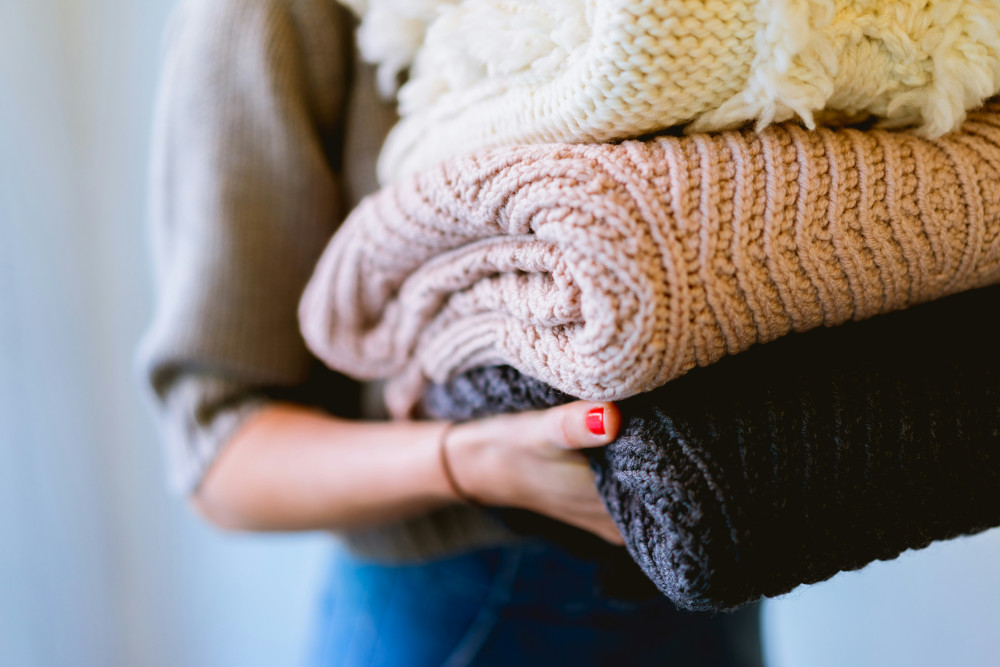
As the cold season ends and we fold away our favorite wool jumpers and silk scarves, some fascinating material science is about to unfold quietly in our wardrobes.
Subtle chemical and biological processes will decide whether our clothes stay as cozy as ever or emerge next winter yellowed, brittle, and ridden with holes.
Some of our favorite winter garments, made from natural fibers such as wool and silk, feel soft or luxurious – but they are far from inert. At the molecular level, these fibers are protein-rich structures that interact constantly with the environment.
These complex structures are what make the fibers comfortable to wear, and also what make them vulnerable to storage conditions.
The reason moths want your clothes
Wool is made up of a protein called keratin, and silk is composed primarily of one called fibroin. These molecules give the fibers their unique warmth and strength. But proteins, as we all know, are also very nutritious.
When wool or silk is stored with traces of sweat, body oils, skin cells, or food residues, it becomes even more attractive to insects and microbes. In particular, clothes moths.
Contrary to popular belief, adult clothes moths do not eat clothes. They are simply the delivery system for larvae, which will consume and damage your favorite garments.
The adult moths are attracted to unwashed, protein-rich materials, such as wool, silk, fur, and cashmere, and there they quietly lay eggs. These eggs hatch into larvae with amazingly strong digestive enzymes.
In a closed wardrobe, the larvae feed undisturbed, chewing through the fibers and creating the small holes that we discover months later.
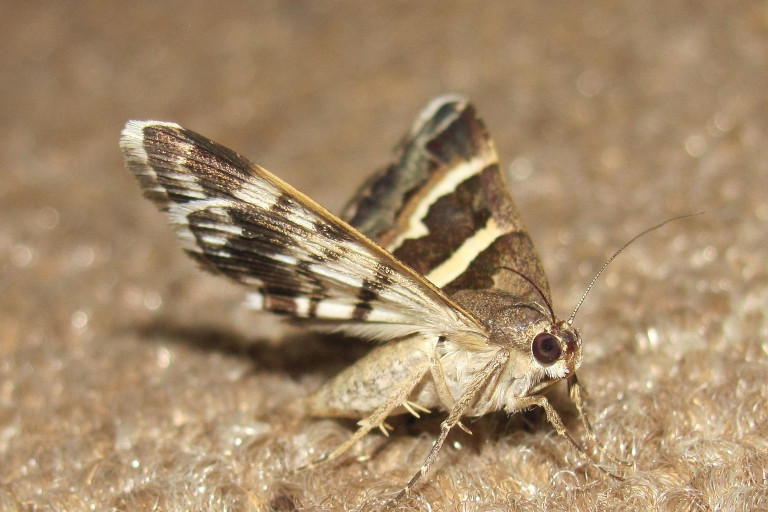
What the larvae are actually doing is breaking down long protein chains into smaller fragments, thereby weakening the structural integrity of the fiber. Once that molecular architecture is compromised, the fabric loses its strength and becomes prone to tearing.
Another enemy: Moisture
Even if your wardrobe is moth-proof, moisture itself can be a slow-acting threat to natural fibers. When we wear wool or silk, small amounts of sweat become trapped within the fiber network.
Sweat contains salts, fatty acids, and other types of mild acids produced by our muscles. If these residues remain in the fabric during long-term storage, they can cause two chemical processes called oxidation and hydrolysis, which weaken the bonds holding the fibers together.
This is why wool garments sometimes turn yellow in storage. The color change is a signal that fiber proteins have chemically changed, most often due to oxidation.
The effect on silk is to reduce its luster and make it brittle over time, which is a symptom of broken molecular bonds within the fibers. This means the fiber can no longer flex the way it once did.
If you store your garments in a damp environment, these chemical processes accelerate, and so does the damage. Moisture also creates a perfect habitat for mold, bacteria, and other microorganisms that produce enzymes capable of degrading protein fibers even further.
How to protect your clothes
What can you do to protect your garments? A gentle wash at the end of winter keeps clothes fresh and prevents a lot of the above undesirable effects.
A mild wash removes sweat, salts, and oils that trigger oxidation, eliminates food traces that attract insects, reduces microbial and enzymatic activity, and finally refreshes the fiber structure without damaging it.
For wool, this means a cool, wool-safe wash cycle or handwashing with a pH-balanced detergent. For silk, it must be a gentle, low-agitation wash.
Remember, the goal is not harshness, but removing contaminants. Once these are gone, the fiber is more stable and less appealing to moth larvae.
Ideal storage conditions for wool and silk are similar to how we store food items in the pantry: cool, dry, and away from direct light.
Conditions should be cool but not cold, because stable temperatures reduce condensation and microbial growth. Dry too, since moisture is the enemy of both chemical and biological stability.
Avoid airtight bags, because they trap humidity and increase fiber degradation. Breathable cotton garment bags are much safer. Direct sunlight can break down protein chains over long periods, so keep the light levels low.
Deterrents and synthetic fibers
Common natural moth deterrents like cedar and lavender don’t kill insects, but they do make the environment far less inviting to moths.

Even better, the latest research explores bio-based protective fiber coatings, which deter larvae and offer antimicrobial benefits without affecting feel or wearability.
If you are dealing with synthetic fibers (such as polyester or nylon), you have an entirely different degradation scenario.
Synthetics don’t attract moths because they don’t have animal-based proteins. However, they are still susceptible to oxidation, hydrolysis, and loss of elasticity caused by repeated stretching or exposure to heat.
Synthetics may survive moth season untouched, but they still benefit from being clean, dry, and stored away from direct heat or sunlight.
Preserving clothes and reducing waste
Taking some time to care for garments at the end of winter doesn’t just help you, either. Caring for clothes has significant environmental implications.
Textile waste is a growing issue, contributing heavily to landfill burdens. Extending the life of a wool jumper or a silk shirt from seasonal damage saves new purchases and decreases textile waste.
When we understand the science at play, our simple habits of washing before storing and keeping garments dry become meaningful, responsible actions.
Nisa Salim, Director, Swinburne-CSIRO National Testlab for Composite Additive Manufacturing, Swinburne University of Technology
This article is republished from The Conversation under a Creative Commons license. Read the original article.
Follow us on X, Facebook, or Pinterest
