
Aowanda National Forest Recreation Area lies in Ren’ai Township, Nantou County, and is widely celebrated as one of Taiwan’s premier maple-viewing destinations, earning it the nickname “Hometown of Maples.” Set amid the dramatic canyon scenery of the midstream Wanda River, the park covers approximately 2,787 hectares, with elevations ranging from 1,100 to 2,600 meters. This diverse landscape supports rich forest ecosystems and striking seasonal colors.
History of Aowanda
The Aowanda region has a deep historical background, originally serving as a traditional hunting ground for the Atayal (泰雅族) and Sediq tribes (賽德克族). During the Japanese colonial period, initial planning and preliminary work for hydroelectric power development began in the area. However, the main facilities — most notably the oval-shaped regulating pond for the Wanda Power Plant — were largely constructed and completed in the late 1950s, after the end of the colonial era.
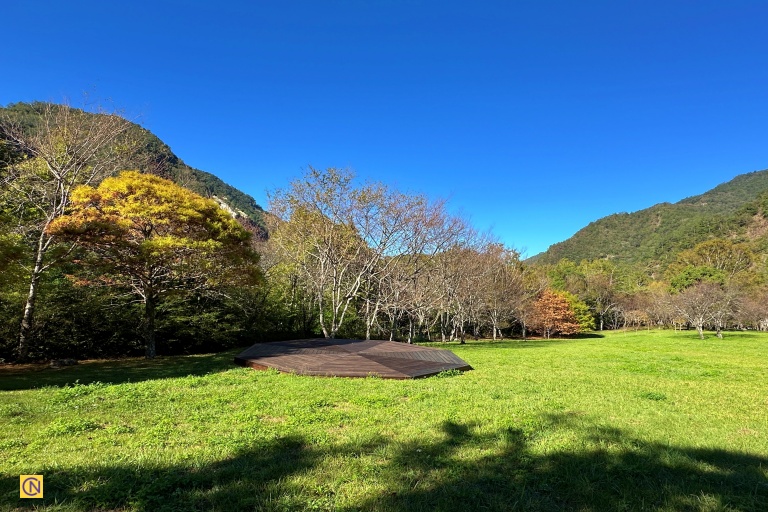
Recognized for its rich natural scenery and ecological importance, Aowanda was later transformed from a forestry and industrial site into a public leisure area. It was officially designated the Aowanda National Forest Recreation Area in 1994, with access restrictions lifted in 1996. Today, Aowanda is renowned as the “Hometown of Maples” and is a popular destination for autumn foliage, hiking trails, waterfalls, bird-watching, and nature education.
Self-guided trail of Aowanda
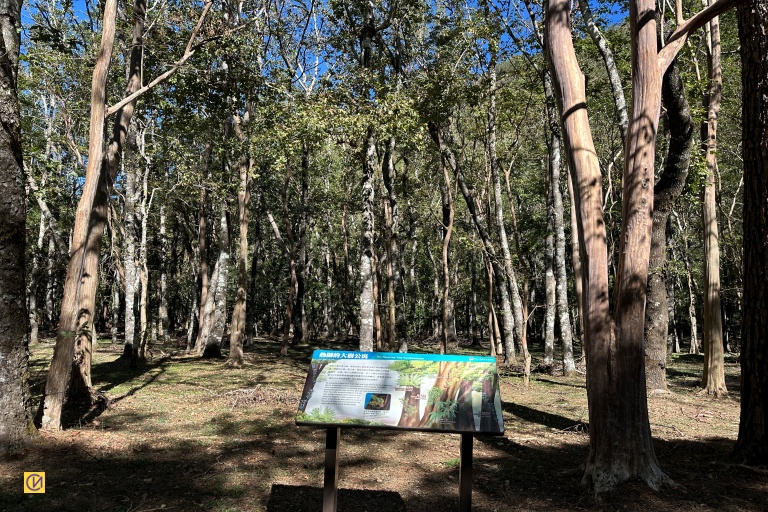
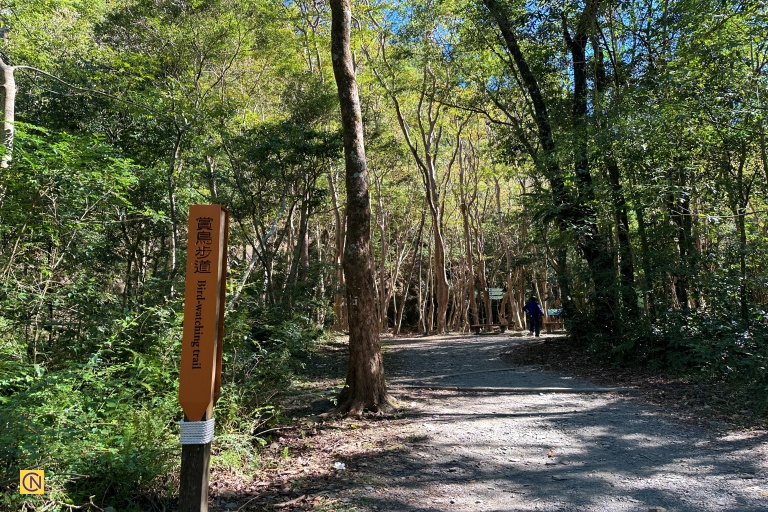
Aowanda National Forest Recreation Area features a thoughtfully laid-out self-guided trail network of about 6.5 kilometers that leads visitors through many of its signature landscapes, making it perfect for exploring at a relaxed, immersive pace. The main walking route starts near the visitor center and winds past woodland boardwalks, varied forest types, and scenic river terraces. Along the way, hikers encounter refreshing waterfall zones, gentle forest parkland, and expansive maple and pine groves — the latter offering cool shade and ideal spots for nature appreciation and photography. Signage and maps along the trails help orient visitors, and the terrain is generally easy to moderate, suitable for most fitness levels (with some stairs and gentle slopes).
From December through January, Aowanda reaches its most magical stage of the year. Vast woodlands of maple and other deciduous trees transform into dazzling hues of crimson, amber, and gold, carpeting valleys and lining the trails with vibrant color. As sunlight filters through the autumn canopy and reflects off nearby streams and mountain slopes, the entire forest feels like a dreamlike panorama, drawing visitors from across Taiwan for scenic walks, quiet reflection, and unforgettable encounters with nature.
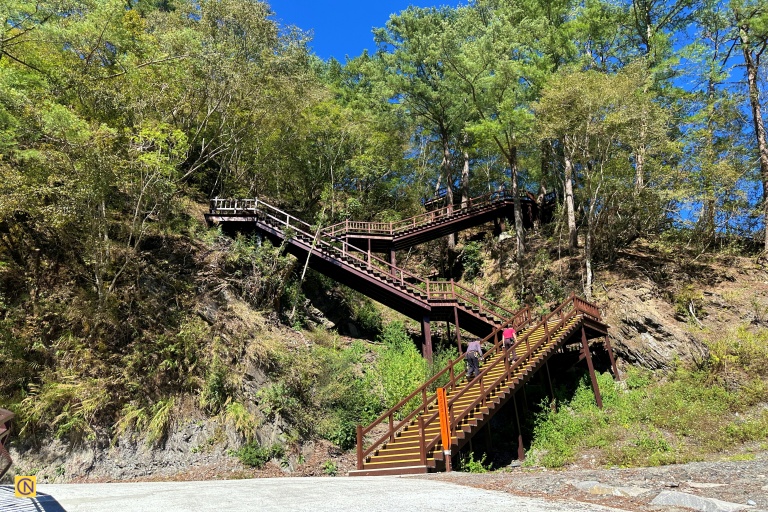
The Strongman’s Slope
With 465 steps, the Strongman’s Slope in Aowanda National Forest Recreation Area is one of the park’s most distinctive and physically demanding features, offering visitors both a workout and a deeply rewarding nature experience. This steep yet well-maintained section of trail climbs through dense woodland, earning its name from the stamina and strength required to complete the ascent. Along the way, hikers are enveloped by towering trees, lush undergrowth, and the calming sounds of the forest, which help soften the challenge.
Despite its demanding incline, the Strongman’s Slope is a popular route for those seeking a sense of achievement. Carefully designed steps and railings enhance safety, while small rest points and viewpoints provide chances to pause and appreciate the surrounding scenery. Reaching the top brings a satisfying sense of triumph, accompanied by cooler mountain air and expansive views of Aowanda’s layered forest landscape — making the climb a memorable highlight of any visit.

Aowanda Suspension Bridge
The Aowanda Suspension Bridge is one of the most iconic landmarks in the Aowanda National Forest Recreation Area. Opened to the public on July 4, 2009, the bridge spans 180 meters in length and rises about 90 meters above the valley, linking the Maple Forest Area and the Pine Forest Area.
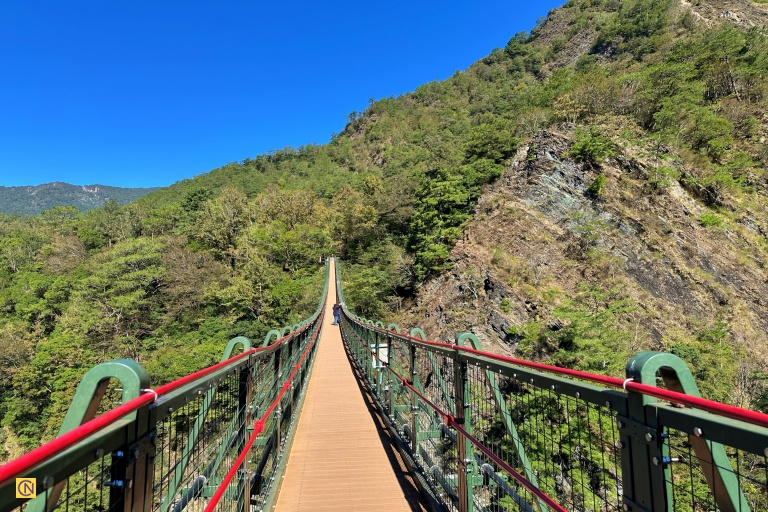
Crossing the bridge offers a thrilling yet scenic experience, with sweeping views of layered forests, distant mountains, and the crystal-clear Wanda Stream below. From above, visitors can admire the river’s broad sand bed, where the intricate textures of sand and stone form natural patterns, set against steep canyon walls and stark dead trees — creating a dramatic and unforgettable landscape, especially during the autumn foliage season.
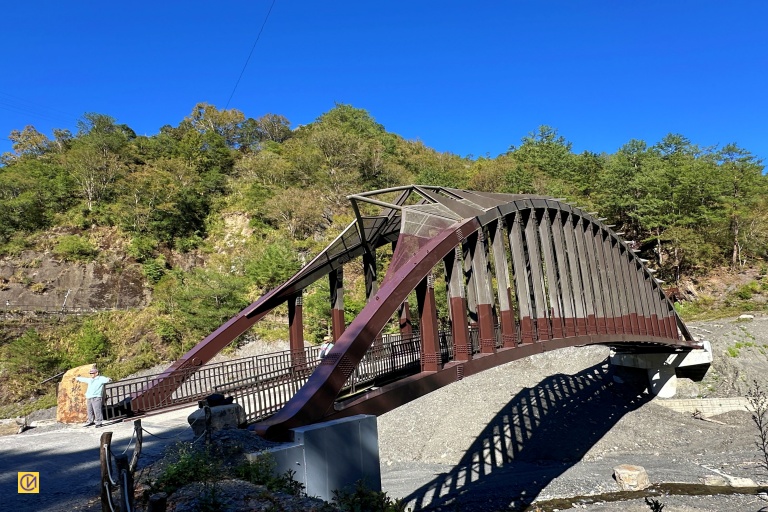
The Aowanda Qingshuixi Bridge
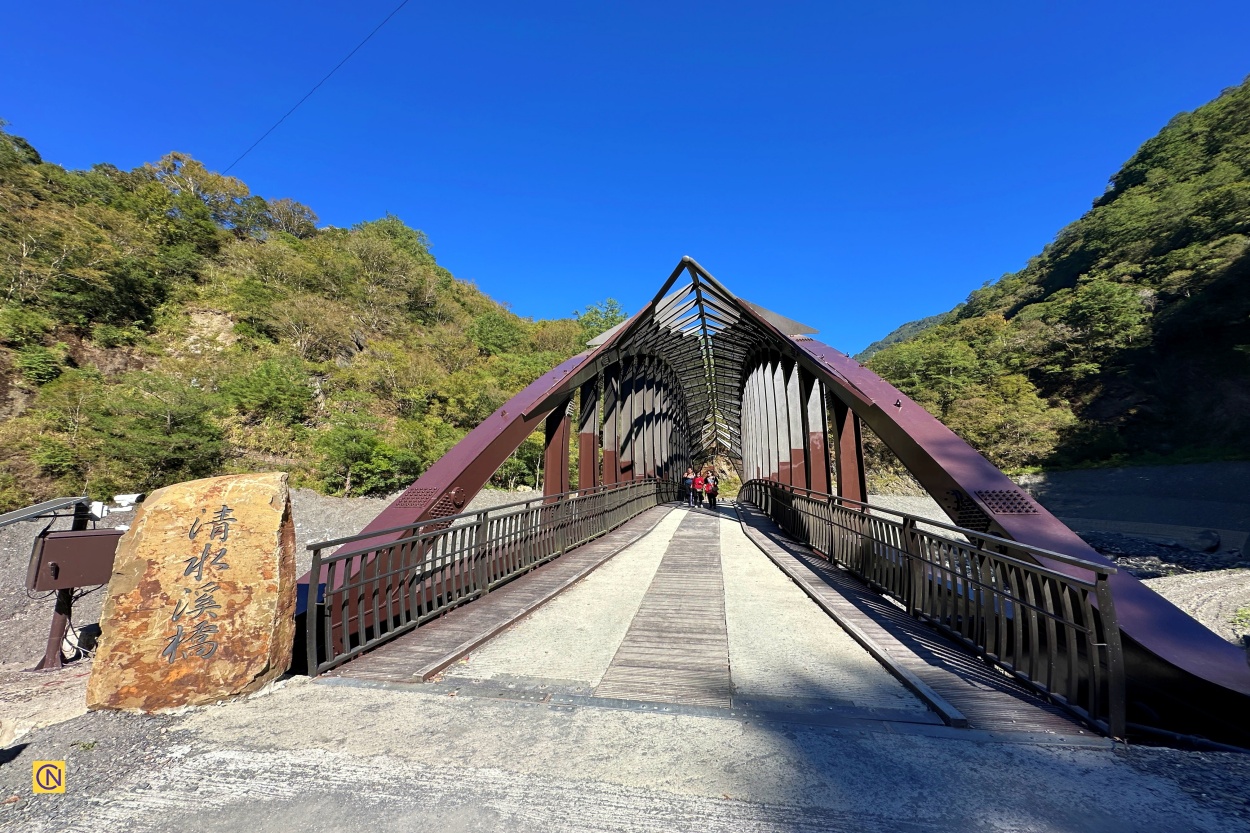
The Aowanda Qingshuixi Bridge is a graceful landmark in the Aowanda National Forest Recreation Area, blending elegant architecture with the surrounding natural landscape. Built with a steel frame and a distinctive rib-like canopy, the bridge creates a strong sense of symmetry, framing views of the mountains and sky as visitors cross. Sunlight filters through the openwork roof, casting rhythmic patterns of light and shadow along the walkway.
Spanning the clear waters of Qingshui Stream, the bridge offers views of gently flowing currents and smooth river stones below, set against forested valley slopes on both sides. Serving as both a scenic viewpoint and a key trail connection, the Qingshuixi Bridge invites visitors to slow down, admire its thoughtful design, and enjoy the tranquil atmosphere that defines Aowanda.
Follow us on X, Facebook, or Pinterest
