

In the realm of martial arts, genuine masters embody humility and self-restraint. They refrain from flaunting their abilities, choosing instead to maintain a low profile and avoid unnecessary conflict. Even when provoked, their wisdom leads them to act only when strictly necessary, as they prioritize peace over aggression.
The elderly vegetable farmer reveals his true skills
Wang Chao, a seemingly frail 70-year-old vegetable farmer from the Qing Dynasty, had far more about him than his hunched posture and long whiskery beard suggested. His silence belied a depth of knowledge and skill acquired over a lifetime.
Known for his kindness, Wang consistently lent a helping hand to his neighbor, a struggling scholar, fulfilling requests with genuine generosity. One day, intrigued by whispers of Wang’s martial expertise, the scholar cautiously asked him for a demonstration.
Wang’s response was firm yet gentle: “Why would a child desire this? If you lack skills, others will exploit you; if you possess overwhelming strength, suffering will ensue, regardless of death. Why does a child chase after this?” With this profound wisdom, the scholar wisely stepped back, recognizing the truth in Wang’s words.
Days later, a surprising encounter unfolded. The scholar saw Wang being pursued by an aggressive man wielding a heavy cedar log, relentlessly blocking Wang’s path. Rather than retaliate, Wang chose to walk away, showing restraint in the face of hostility.
However, when the man charged at him after dropping the log, it became clear that Wang had decided to respond. In a flash, Wang executed a swift kick that sent the man flying eight feet away. The onlookers were left speechless at the display of hidden power.
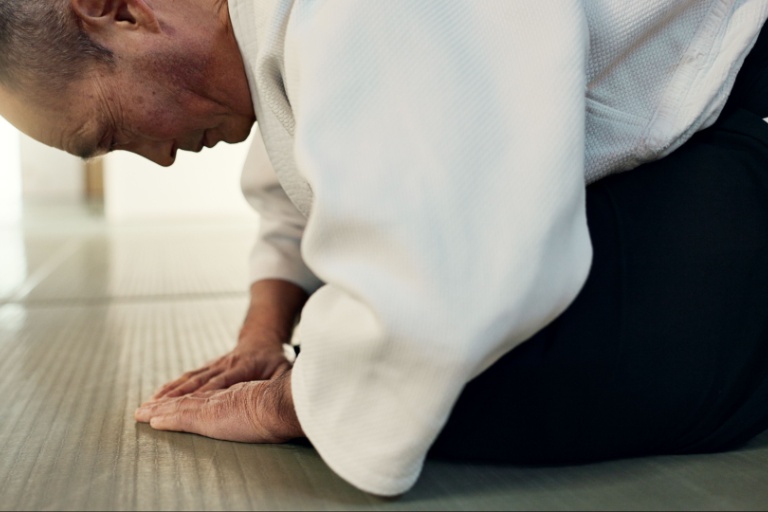
As the man regained his composure, he knelt before Wang, gratitude shining in his eyes. He exclaimed that after a decade of seeking Shaolin teachings, he had finally grasped the essence of martial arts through this unexpected exchange.
With newfound respect, he took the log and departed, his demeanor transformed. As the surroundings quieted, Wang stood momentarily lost in thought, emotions crossing his features. Regret, loneliness, and the burden of unexplored abilities weighed heavily upon him, revealing a haunting truth — in his pursuit of peace, the unshared strength he possessed left him feeling isolated.
The unflappable old tailor with incredible strength
During the transformative Daoguang and Xianfeng eras of the Qing Dynasty, society had not yet turned to using guns as weapons, and traditional martial arts remained in use by the elders. In Hengshan, Old Wang, a gentle yet resilient tailor, was known for his incredible strength.
Though age had elongated his fingernails to nearly five inches, he diligently sewed each day with unwavering dedication. Rather than seeking conflict, he endured the disrespect that occasionally came his way, embodying patience and inner strength that ran far deeper than appearances suggested.
One bold teenager in the neighborhood, indignant over Old Wang’s seemingly passive demeanor, confronted him. “Old man, you should stand up for yourself! Elders deserve respect. If I were you, I’d fight back!”

Old Wang smiled and replied, “Endure it; why compete with others?” This response sparked intrigue among the youth. As time went on, the young man witnessed Old Wang effortlessly moving a heavy stone mortar filled with water into the hall one afternoon, leaving him utterly astonished.
Through this display, he began to see Old Wang’s true strength and the depth of character behind the gentle exterior. News of Old Wang’s resilience eventually reached a clever neighbor named Xiaosan, who sought to provoke him. In an attempt to insult the old man, Xiaosan drew a pair of scissors on Wang’s door with charcoal, expecting a furious reaction.
However, upon discovering the mockery, Old Wang responded with laughter — even breaking two fingernails in the process. When he learned of Xiaosan’s antics, Old Wang chose forgiveness instead of retaliation, showing compassion and the wisdom to rise above petty grievances.
Translated by Joseph Wu
Follow us on X, Facebook, or Pinterest
