
Years ago, a Japanese food program called Cooking Showdown: East vs. West interviewed a dairy farmer about how to make excellent cheese. His answer surprised many viewers. High-quality cheese, he said, begins with love and gratitude.
He explained that he feeds his cows nutritious food, talks to them every day, and always remembers to say “thank you.” In that caring environment, the cows feel calm and content — conditions that naturally lead to better milk.
The story stood out because it highlighted something often overlooked in modern business: people, not just processes, shape the quality of the final product. Successful business leaders frequently share one trait — a habit of gratitude. No matter how strong a product is, a company cannot thrive without employees and customers who support its mission. This idea takes an unexpected and heartwarming form in a Japanese snack factory.
Cookies made in a culture of appreciation
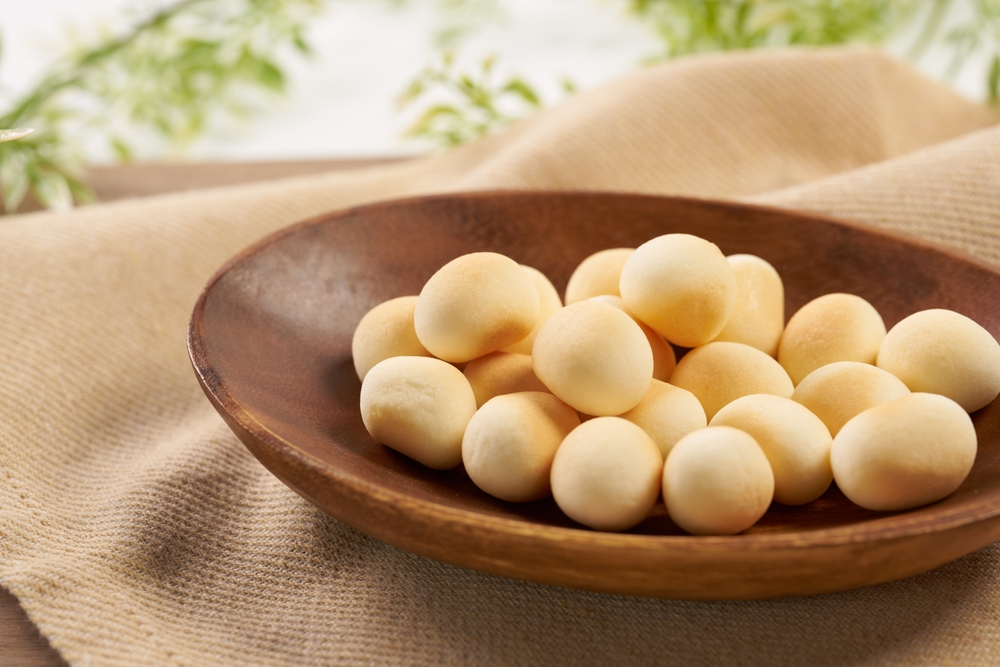
In Aichi Prefecture, Takeda Confectionery has produced a small, egg-shaped cookie snack called Tamago Boro for generations. Walk into the factory during production, and you’ll notice more than the whir of machines. You’ll hear children’s voices saying “arigatō” — thank you in Japanese — over and over again.
Fifteen years ago, a former company president wanted a way to remind production-line workers to stay mindful, patient, and attentive as they made each batch. His idea was simple but unusual: surround the factory with gratitude. Takeda recorded thank-you messages from 50 children in a local choir and began playing them continuously throughout the facility.
Today, the practice continues under current management. Whether you’re in the mixing room, cooking area, inspection line, packaging station, or warehouse, the same gentle chorus fills the air. The recording prompts the children’s voices every two seconds — meaning the cookies receive roughly 1,500 thank-yous per minute.
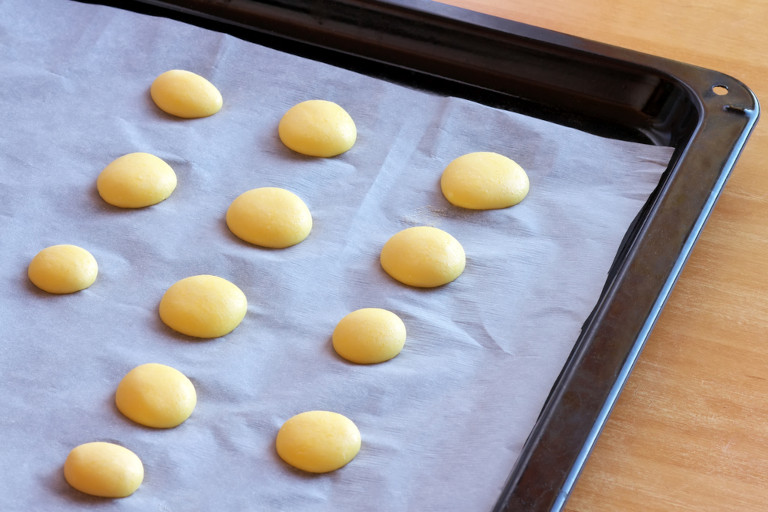
Because of this, Takeda prints special text on the Tamago Boro packaging: “The candy that hears your thanks one million times.” In reality, the number is likely even higher, since producing a full batch takes about twelve hours from start to finish.
Why a simple message matters
At first glance, this might seem like a charming but unnecessary tradition. Yet Takeda believes it helps workers stay connected to the purpose of their work. A steady reminder of gratitude encourages employees to remain present, patient, and committed to quality — especially during repetitive or demanding tasks.
Japan has a long tradition of valuing the mindset behind craftsmanship. Within business circles, this is often associated with ideas such as servant leadership and the Inamori philosophy, named after Kazuo Inamori, a respected Japanese entrepreneur. These teachings emphasize humility, sincerity, and responsibility. Rather than focusing solely on profit or personal status, they encourage people to do their work with a selfless spirit and a sense of service toward others.
In this context, Takeda’s thank-you chorus isn’t a gimmick. It’s a practical expression of a worldview that sees character as part of quality control. By maintaining an atmosphere built on respect and appreciation, the company believes it can create snacks that bring joy to customers and pride to the people who make them.
The philosophy behind long-lasting success
Whether in a factory, an office, or a farm, the attitude we bring to our work shapes the results we produce. Qualities such as humility, patience, honesty, and trustworthiness aren’t just moral ideals—they influence how teams collaborate and how customers respond to a brand.

For Takeda, gratitude is both a workplace habit and a quiet statement of values. In an era when efficiency and automation dominate most discussions about food manufacturing, this small confectionery reminds us that human intention still matters. Quality comes not only from machines and ingredients, but from the mindset of the people who care for every step along the way.
And sometimes, that mindset even sounds like the gentle voices of 50 children saying “thank you” hour after hour, as a batch of tiny cookies takes shape.
Translated by Patty Zhang
Follow us on X, Facebook, or Pinterest
