

Many people believe aging is simply a matter of “getting older,” but what truly distinguishes our bodies is the brain’s blood supply, antioxidant capacity, nerve repair efficiency, and muscle metabolism. Scientific research has found that free radicals, chronic inflammation, and decreased blood flow are the three major drivers of brain and body degeneration. The following everyday foods correspond precisely to these three anti-aging themes.
Eggs: The ‘building blocks of repairment’ for nerves and muscles
Many people, after entering their sixties, find that the real problem isn’t cholesterol, but insufficient protein intake. Long-term, stable intake can significantly slow down physical and cognitive decline. Eggs contain complete amino acids (muscle repair), choline (neurotransmission), and lecithin (cell membrane protection): Brain cell renewal and muscle maintenance both depend on these building blocks. Eat 1-2 eggs for breakfast; boiled or steamed eggs are best for absorption, and avoid high-temperature frying.
Pure cocoa powder: Antioxidant and blood flow accelerator
Cocoa polyphenols are one of the most potent natural antioxidants known. Cocoa powder improves cerebral blood flow, reduces oxidative stress, and supports nerve cell activity. You can think of it as the brain’s circulatory starter. Choose unsweetened, pure powder; 1-2 small spoonfuls daily; mix with a small amount of hot water to form a paste, then add regular milk or soy milk.
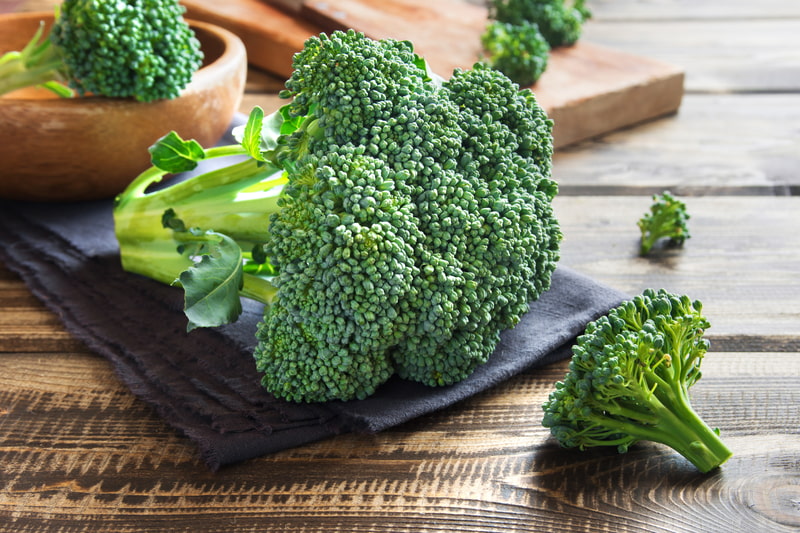
Broccoli: Cellular ‘garbage cleaner’
The core of broccoli is not vitamins, but sulforaphane. It activates the body’s detoxification and antioxidant systems, helping to eliminate free radicals. Benefits include nerve cell protection, suppression of inflammation, and delayed aging. When blanching, cooking time should not exceed 2 minutes to avoid loss of active ingredients.
Blueberries: Neuroprotection and memory support
Blueberries are rich in anthocyanins, a recognized neuroprotective nutrient. Long-term consumption helps maintain cognitive sharpness. Frozen blueberries are also nutritious and easier to store. Benefits include improved brain microcirculation, neuroprotection, and support for memory formation.
Sardines: A brain fat supply
Nerve cell membranes are mainly composed of fatty acids, with DHA and EPA being key ingredients. Canned sardines lock in the nutrients. It’s more complete to eat it with the broth. Sardines provide anti-inflammatory fats, support nerve repair, and offer cardiovascular protection.
Cooked Tomatoes: A shield for blood vessels and cells, antioxidants
Heating tomatoes releases lycopene, a powerful antioxidant. Tomatoes can slow down vascular aging, combat cellular oxidation, and support cardiovascular health. Remember that cooked tomatoes are more anti-aging than raw tomatoes.
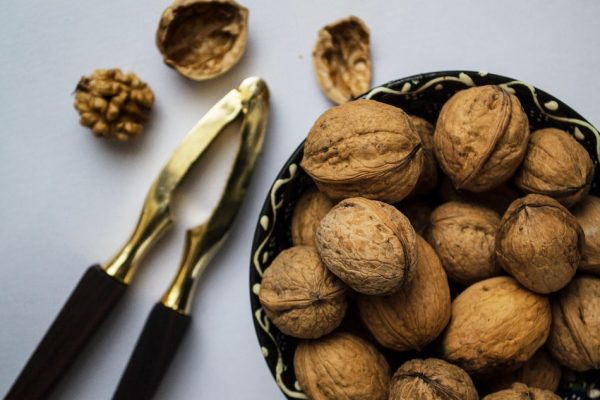
Walnuts: Nerve lubrication and energy support
The Omega-3 fatty acids in walnuts are important structural lipids for brain cells. They also improve nerve conduction, support memory, and have anti-inflammatory effects. About 7-8 walnuts daily; do not exceed the recommended dosage.
Turmeric: A brain anti-inflammatory and protective factor
Chronic inflammation is a major contributor to brain aging, and curcumin has been widely studied as a natural anti-inflammatory molecule. Combining with black pepper significantly improves absorption. It is suitable for soups, stir-fries, and adding to the porridge. Low-dose, long-term consumption is key.
Beetroot: Vasodilator
The natural nitrates in beetroot can be converted into nitric oxide, which relaxes blood vessels, improves oxygen delivery by increasing blood flow to the brain, and enhances muscle endurance and energy levels. Juicing or making soup is very effective.
Cinnamon: Microcirculation repair aid
Cinnamon helps improve peripheral circulation and metabolism. It provides supportive relief for common issues in the elderly, such as cold hands and feet and insufficient blood flow. A small amount per day is sufficient.
Conclusion
No need to eat everything, just remember a simple formula: Choose 3-4 foods daily, with cocoa powder as a consistent core. For example:
- Morning: cocoa + egg + blueberries
- Lunch: tomato + sardines + broccoli
- Afternoon: walnuts + cinnamon drink
Consistency is more important than perfection. The most important reminder is that these foods are for daily anti-aging support and cannot replace medical treatment. Those with chronic illnesses or taking medication should consult a doctor first. What truly differentiates health after age 60 is not age, but the nutritional signals you send to your body daily. Small, consistent changes can lead to clear thinking, stable physical strength, and abundant energy. Anti-aging starts at the dinner table.
Translated by Patty Zhang and edited by Amanda
Follow us on X, Facebook, or Pinterest
