
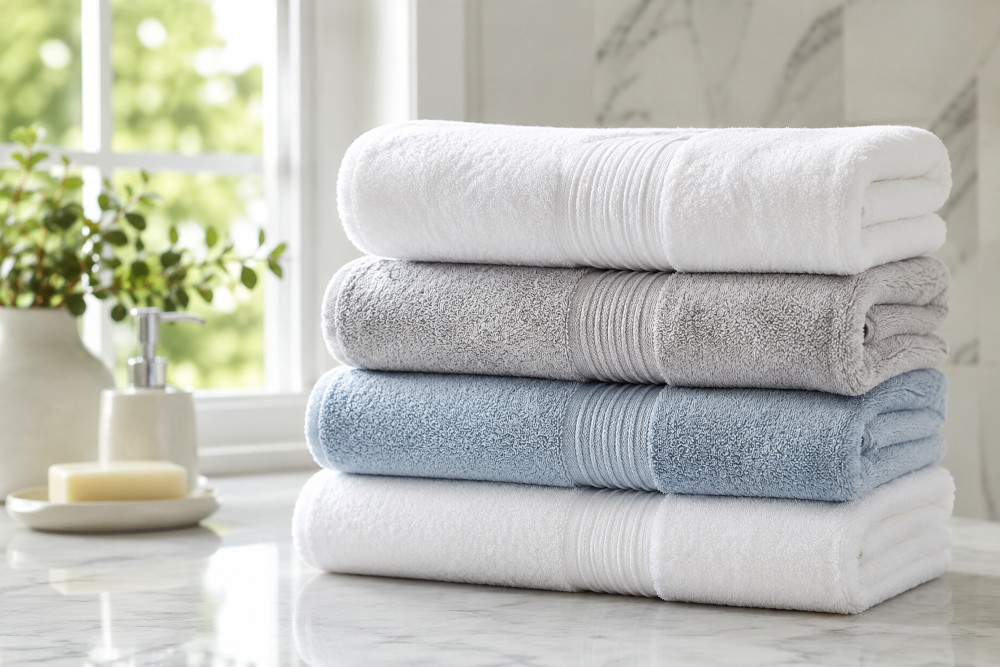
Towels are among the most frequently used items in the home, but over time, they can become discolored, develop an unpleasant smell, or take on a slippery feel. This is especially common when damp towels are left in poorly ventilated bathrooms, where they don’t have enough time to dry completely between uses.
Body oils and other residue can also accumulate in the fabric. Fortunately, proper washing and drying can go a long way toward keeping towels fresh, while a clean, warm towel can also serve another purpose: providing simple heat therapy for everyday aches and discomfort.
Keeping towels clean and fresh
Traditional household advice includes a variety of methods for freshening towels, including soaking them in salt water, diluted white vinegar, or even water left over from rinsing rice. While such methods have long been used in some households, they should not replace ordinary laundering.
The U.S. Centers for Disease Control and Prevention recommends washing towels with detergent at the recommended water temperature and drying them completely.
After using a towel, spread it out rather than leaving it crumpled or folded while damp. Good airflow allows it to dry more quickly and makes it harder for the musty odors associated with lingering moisture to develop.
For towels that have developed an odor, washing them thoroughly according to the care label is preferable to simply masking the smell. Avoid assuming that hotter is always better: very hot water can damage some fabrics, so follow the manufacturer’s washing instructions.
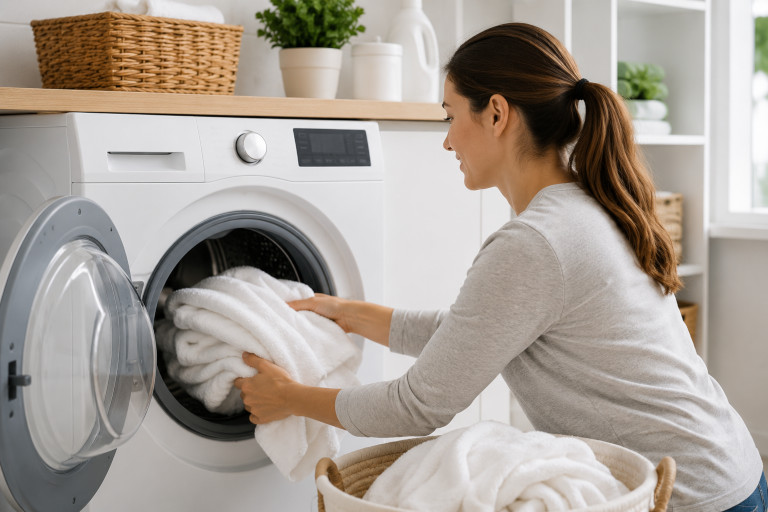
A towel that remains unpleasant even after proper laundering may simply have reached the end of its useful life.
Using a warm towel as a compress
A clean towel soaked in warm water and wrung out can also be used as a simple warm compress. Heat therapy is commonly used to relax tight muscles, encourage circulation, and temporarily relieve stiffness and discomfort.
The towel should feel comfortably warm rather than hot enough to burn the skin. Reheat it as necessary, but stop if the skin becomes painful, unusually red, or irritated.
Here are several situations in which gentle warmth may be useful.
1. Tired or dry eyes
A warm compress over closed eyelids can be soothing, and warm compresses are commonly used in the management of meibomian gland dysfunction, a condition that can contribute to dry-eye symptoms. The warmth helps soften the oily secretions produced by glands along the eyelids.
Use a clean towel and make sure it is comfortably warm rather than hot before placing it near the eyes.
2. A stiff neck and shoulders
Long periods at a computer, an awkward sleeping position, or ordinary muscle tension can leave the neck and shoulders feeling tight. Applying warmth may help relax tense muscles and ease stiffness.
Gentle movement and stretching can also help once the muscles begin to loosen. Avoid forcing the neck through movements that cause pain.
3. Lower-back stiffness
Heat is often used for general muscle tension and stiffness, including discomfort in the lower back. A warm towel may provide temporary relief when the problem involves tired or tight muscles.

Don’t treat persistent, severe, or unexplained back pain at home, especially if it’s accompanied by weakness, numbness, fever, or other unusual symptoms.
4. Sore muscles in the hips and buttocks
Long periods of sitting, exercise, or muscle overuse can leave the hips and buttocks feeling stiff and sore. Gentle heat may help relax the affected muscles and make movement more comfortable.
For a new injury involving significant swelling or bruising, however, heat may not be the best first choice.
5. Menstrual cramps
Warmth is a well-established home measure for relieving menstrual cramps. A warm towel placed over the lower abdomen can provide similar gentle heat to a heating pad or wrapped hot-water bottle. The NHS includes heat among the measures that can help ease period pain.
Severe menstrual pain, pain that suddenly becomes worse, or symptoms that interfere substantially with daily life may warrant medical evaluation.
6. Lingering stiffness after a minor injury
Heat and cold have different roles following injuries. For a fresh sprain or strain accompanied by swelling, cold is generally preferred initially. Mayo Clinic recommends icing a sprain during the first 48 hours or until the swelling subsides.
Once the acute swelling has settled, gentle warmth may help with any remaining stiffness. Heat increases blood flow and can relax tight muscles, but it should not replace medical care when an injury is severe or not improving.
A simple household item with more than one use
A towel may be an ordinary household item, but taking care of it properly makes a noticeable difference. Washing towels with detergent, allowing them to dry completely, and storing them where air can circulate will help keep them fresh longer.
And when muscle tension, menstrual cramps, or certain types of stiffness strike, a clean towel and some comfortably warm water can provide a simple source of soothing heat.
Translated by Patty Zhang
Follow us on X, Facebook, or Pinterest
