
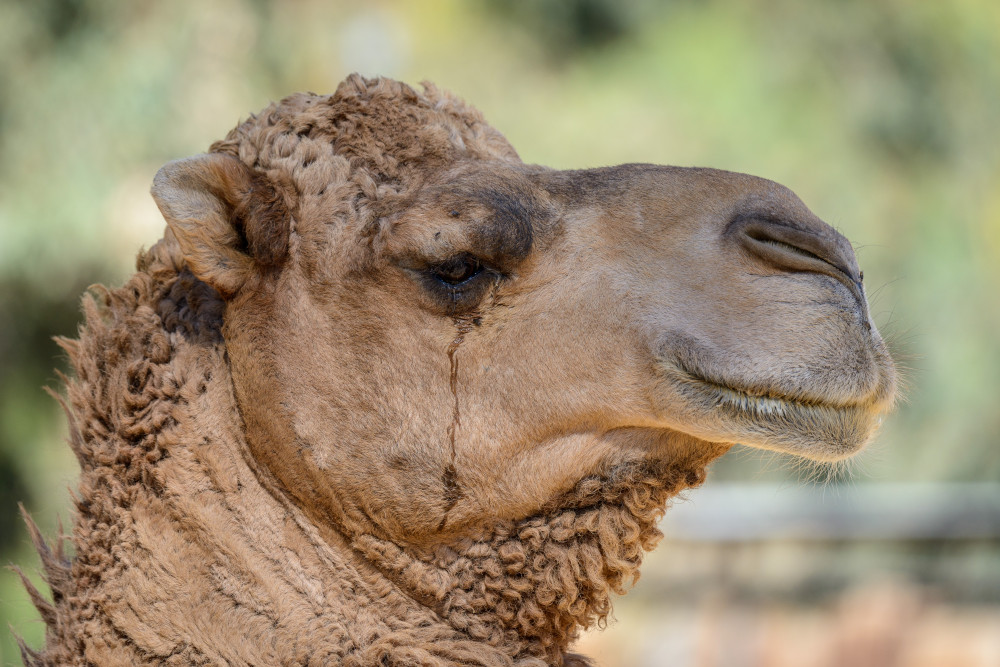
In the golden sands of the Thar Desert, camels have long been trusted for their endurance and strength. Now, their tears may hold the key to saving thousands of lives. Researchers at the National Camel Research Centre (NRCC) in Bikaner, Rajasthan, India, have discovered that their tears contain antibodies capable of neutralizing venom from up to 26 different species of venomous snakes — a promising new development in the fight against snakebite fatalities.
India has the highest rate of snakebite deaths in the world, with approximately 58,000 deaths and 140,000 cases of permanent disability each year. For people living in rural or remote areas, a snakebite often means a dangerous journey to the nearest medical facility, where treatment may not even be available. Traditional antivenom, which is derived from horse immunoglobulin, is not accessible to everyone and can cause severe allergic reactions. Faced with this critical healthcare challenge, the team at NRCC turned to an unlikely source: camels.
The desert giant’s hidden strength
“Camels possess a unique and highly adaptive immune system that allows them to survive extreme desert conditions. Their antibodies are smaller, more stable, and better able to penetrate tissue than conventional antibodies,” explained a senior scientist at the National Camel Research Centre.
By extracting antibodies from camel blood and tears, researchers tested their effects against venom from some of India’s most dangerous snakes. The results were remarkable — these antibodies not only quickly neutralized venom that targets the blood’s clotting system, but also outperformed traditional serum treatments while posing a much lower risk of allergic reaction.

A new source of livelihood
This medical breakthrough has also brought unexpected economic benefits to local communities. In partnership with pharmaceutical companies, the NRCC has begun purchasing camel blood and tears from herders in Bikaner, Jaisalmer, Jodhpur, and surrounding regions. The process is controlled to ensure the animal’s well-being, and each animal can bring in 5,000 to 10,000 rupees [US$57-$114] per month for its owner. For many families, this extra income makes a significant difference.
“This initiative not only saves lives, but also helps restore the camel’s role in our economy,” said a spokesperson for the National Camel Council. “Camels are no longer just beasts of burden in the desert — they are now partners in public health.”
A hope that reaches beyond borders
The research has drawn the attention of pharmaceutical companies in India and abroad, some of which are exploring ways to scale up production and improve access to treatment in underserved regions. While more clinical trials and regulatory approvals are required before camel-based antivenom becomes widely available, the research team remains optimistic.
“This could mark the beginning of a new era in venom treatment,” said one researcher. “And it comes from the most unexpected source — camel tears.”
As the animals move slowly through the fading light of the desert sunset, perhaps they are unaware that a single tear shed from their eye might one day change the fate of someone thousands of miles away. This gift from the desert may soon cross borders and bring new hope to the global fight against snakebite deaths.
Translated by Patty Zhang
Follow us on X, Facebook, or Pinterest
