
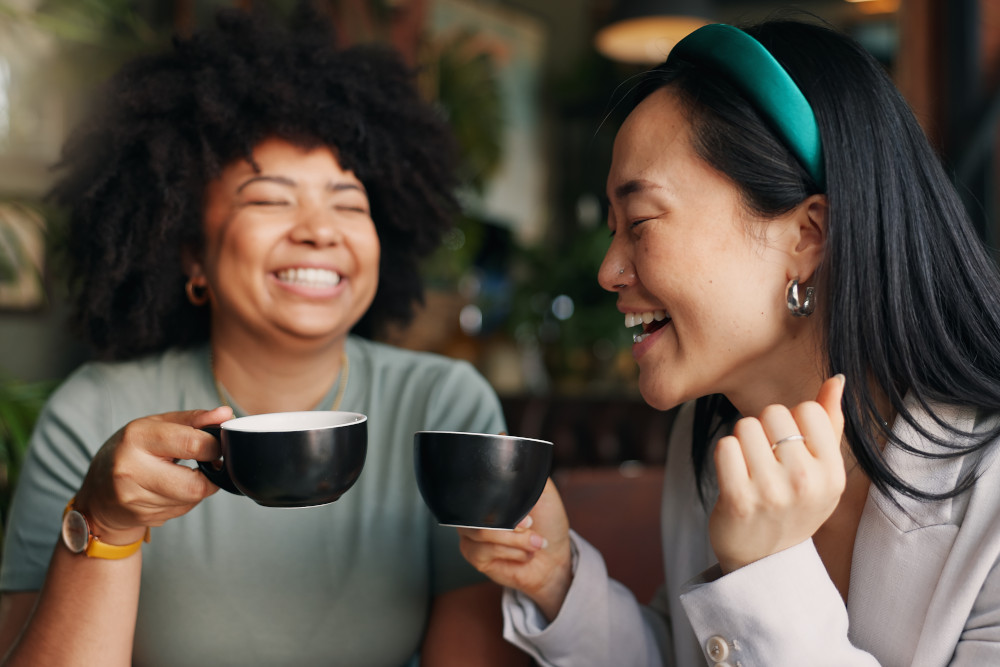
There’s an old Chinese saying: “A cup of tea each morning keeps the medicine seller away.” For thousands of years, tea has been treasured not just as China’s national beverage but as a cornerstone of wellness and longevity. Modern science confirms what tradition has long known — the polyphenols in tea support cardiovascular health, while theanine helps keep the mind sharp and alert.
Yet many longtime tea drinkers continue the habits they formed in their younger years without realizing that aging bodies need a gentler approach. The very brew that once energized and protected can become a source of strain when our organs grow more sensitive with time. A few simple adjustments can help ensure that your daily cup remains a source of vitality rather than discomfort.
Lighter is better: Rethinking brew strength
Many devoted tea enthusiasts have been brewing their favorite leaves for decades, and over time, their taste preferences have grown stronger. The tea becomes darker, more bitter, more concentrated. But what satisfied a younger palate may be too intense for an aging body.
Strong tea carries higher levels of caffeine, which can cause the heart to race and may raise blood pressure — particularly concerning for anyone managing heart conditions or hypertension. Over time, concentrated tea can also accelerate calcium loss from bones, increasing the risk of osteoporosis and fractures. And for the digestive system, strong tea stimulates excess stomach acid, potentially leading to discomfort, acid reflux, or constipation.
The solution is surprisingly simple: use half the amount of tea leaves you normally would. Your brew should be a light amber or pale yellow color, with a gentle, subtle flavor. The goal isn’t a weaker experience — it’s a more refined one that lets you enjoy tea’s benefits without overwhelming your system.
Timing matters: When not to drink tea
Tea is wonderful, but not at all hours or under all circumstances.
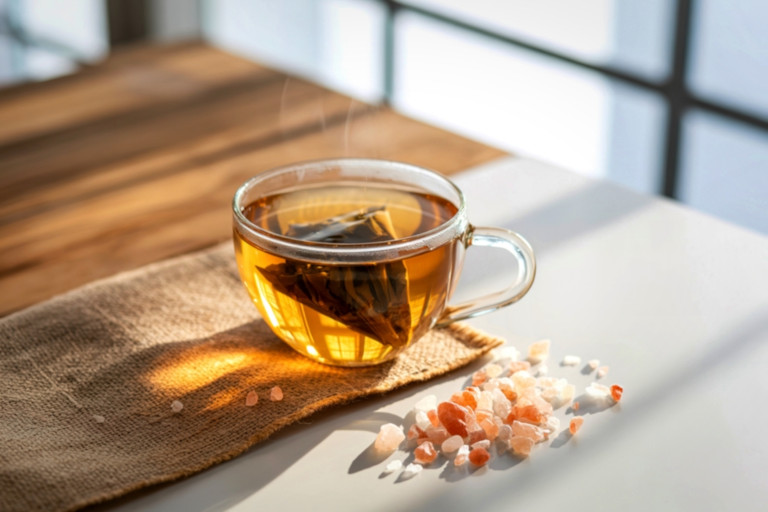
Keep tea and medication separate. It’s tempting to reach for your teacup when taking pills, but the tannins in tea can interact with many medications, either reducing their effectiveness or creating unwanted side effects. Stick to plain water for two hours before and after taking any medicine.
Wait after meals. Drinking tea immediately after eating interferes with iron absorption, which over time can contribute to anemia and that familiar feeling of fatigue and light-headedness. Let your food settle for about an hour before you brew your next cup.
Don’t drink on an empty stomach. For those with sensitive digestion — common as we age — tea on an empty stomach can sometimes trigger light-headedness, shakiness, or a fluttering heartbeat. A light snack beforehand prevents this uncomfortable reaction.
Choose your tea wisely
Not all teas affect the body in the same way, and what works for one person may not suit another.
If you tend toward a sensitive stomach or sleep lightly, green tea and freshly harvested teas may be too stimulating. In traditional Chinese medicine, these teas are considered cooling in nature and can be more astringent, which may aggravate digestive discomfort. Consider switching to black tea, aged white tea, or ripe pu-erh — fermented varieties that are warmer in nature and gentler on the stomach.
For anyone struggling with sleep quality, the late afternoon is a good time to stop drinking tea altogether. Caffeine consumed after 4 p.m. can keep your mind active well into the night, turning what should be rest into restless tossing.
Let it cool: Protecting your esophagus
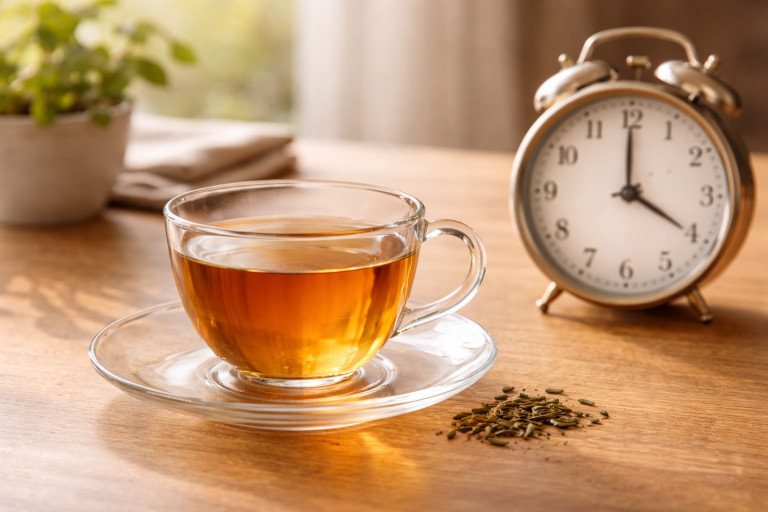
Traditional Chinese culture values drinking tea while it’s hot. But habitually consuming beverages hotter than 65°C (149°F) can repeatedly scald the delicate lining of the esophagus.
After brewing your tea, take a moment to appreciate its aroma. Let it cool naturally until it reaches a comfortable temperature — around 40-50°C (104-122°F) — before taking your first sip. This patience not only protects your health, but also allows you to fully taste the subtle flavors that disappear when the tea is scalding hot.
Tea as a daily practice
Drinking tea has always been more than a health habit in Chinese culture — it’s a moment of pause, a small ritual that creates space for reflection and presence in the middle of a busy day. These adjustments don’t diminish that experience. If anything, they deepen it by encouraging you to pay closer attention to how your body responds, to notice what it needs now rather than what it needed twenty years ago.
Light tea, thoughtful timing, the right variety for your constitution, a patient wait for the perfect temperature — these aren’t restrictions. They’re refinements that let you keep enjoying what you love while honoring the wisdom that comes with age: knowing when less is actually more.
Translated by Patty Zhang
Follow us on X, Facebook, or Pinterest
