
When you’re traveling, what’s your biggest worry? Some people fear losing their luggage, others their passports or important documents. But as Xiao Zhao learned the hard way; the real nightmare can come from something as simple as connecting to a hotel’s free Wi-Fi. You may think you’re saving on mobile data, but the true cost can be far greater than you expect.
Convenience can hide real danger
Whether traveling for business or pleasure, hotel Wi-Fi can seem like a thoughtful amenity. The front desk gives you the login details, and stickers in your room promise “high-speed Internet.” You assume it’s part of the service — but overlook one crucial point: “free” means open, and “open” means risky.
The key difference between public Wi-Fi and a private network is security. Most hotel networks are unencrypted or share a single password across the entire building. In practice, that means you’re using the same network as hundreds of strangers. For hackers, it’s like walking into a building where every door is left unlocked — every phone and laptop inside is a potential target.
One quick connection can cost you dearly
Last summer, Xiao Zhao attended an exhibition in Guangzhou and stayed at a four-star hotel. Needing to download meeting materials, he connected to the hotel Wi-Fi without hesitation. The speed was great; the files downloaded in seconds. But that simple decision ended up costing him thousands.
The next morning, his credit card showed an overseas charge of more than US$1,000. Startled, he called his bank immediately. After investigating, customer service explained that his card details had likely been stolen through the hotel network. The only time he’d used the Internet was the previous night — on the hotel Wi-Fi.
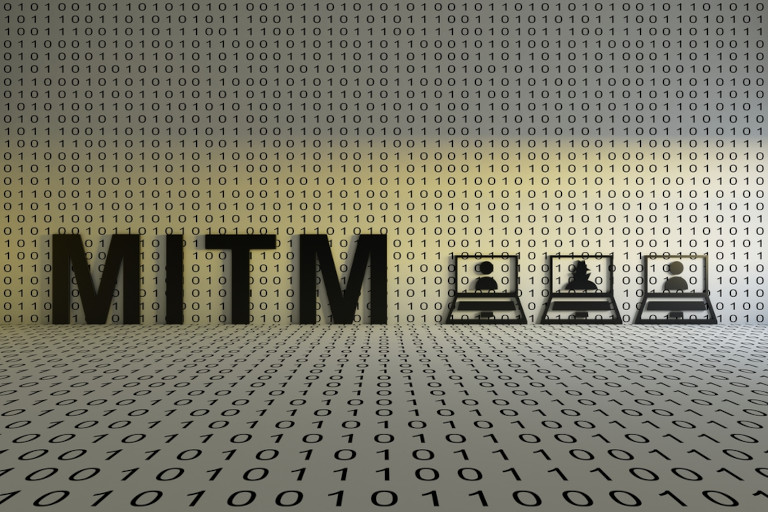
Unbeknownst to him, his laptop had automatically synced his browser, which stored his credit card information. Hackers needed only to launch what’s known as a man-in-the-middle attack — intercepting data between his computer and the router. Without any warning, his sensitive information was copied. Xiao Zhao realized too late that “free Wi-Fi” was anything but free: it was paid for with his personal data and money.
Every victim is a payday
Hotel networks have long been gold mines for cybercriminals. Here’s why:
- Heavy traffic and constant turnover. With guests checking in and out every day, hackers only need one successful breach to make it worthwhile.
- Low security awareness. Many people assume that big, well-known hotels must have safe networks. This misplaced trust gives hackers the perfect opening.
- High-value data. Business travelers often carry laptops filled with company documents, contracts, or financial data — the kind of information that sells for high prices on the black market.
How hackers steal your information
So what exactly makes hotel Wi-Fi so dangerous? These are the most common attack methods:
- Evil Twin hotspots. Hackers create a fake Wi-Fi network with a nearly identical name — for instance, Hotel_GuestFree instead of Hotel_Guest_Free. One careless tap and you’ve connected to their trap.
- Man-in-the-middle attacks (MITM). When you log into a website, hackers intercept or even alter the data in transit — and you’d never know.
- Malware injection. Some attackers push malicious software over public networks. Downloading a file or even just visiting a page can open a “back door” into your device.
- Data sniffing. Using specialized tools, hackers can monitor the flow of information over Wi-Fi and capture everything you send — from messages to passwords.
The hidden cost of “free”
Many travelers think, Even if someone sees my data, it’s just social media stuff, right? Unfortunately, the reality is far worse.
- Financial loss: Like Xiao Zhao, you could find your credit card charged for purchases you never made.
- Privacy invasion: Your photos, chat history, and contacts could all be copied.
- Business risk: If company documents leak during a trip, the consequences could be serious.
- Identity theft: Personal data can be used to open fraudulent accounts — even landing you in legal trouble.
A few moments of convenience can turn into years of headaches — or a lifetime of regret.
How to protect yourself
Of course, this doesn’t mean you should never go online while traveling. The key is to use safer habits:
- Avoid public Wi-Fi when possible. Use your phone’s mobile hotspot instead. Data fees may seem expensive, but they’re nothing compared to the cost of a security breach.
- Always use a VPN. If you must connect to public Wi-Fi, start by activating a trusted virtual private network to encrypt your data.
- Skip sensitive tasks. Avoid logging into banking or payment platforms, or handling confidential documents, while using hotel Wi-Fi.
- Turn off auto-connect. Disable the feature that automatically joins known networks to prevent connecting to fake hotspots.
- Enable two-factor authentication. Even if hackers steal your password, a second verification step can block them.
- Keep your system updated. Regularly update your operating system and antivirus software to patch vulnerabilities before attackers can exploit them.
In an age where everything is online, Wi-Fi feels like air — invisible, free, and everywhere. But when that air is polluted, the damage can be invisible too. Protect your data the same way you protect your passport: with care, caution, and a healthy dose of skepticism.
Translated by Eva
Follow us on X, Facebook, or Pinterest
