
In diplomacy, trust is both a currency and a compass. When that trust is repeatedly broken, even long-standing allies begin to question whether partnership with Beijing is worth the cost. The stories of Ukraine and the United States reveal how the Chinese Communist Party (CCP) has often valued short-term advantage over loyalty or shared principles, leaving former partners disillusioned.
Ukraine’s generosity and Beijing’s indifference
When the Soviet Union collapsed in 1991, Ukraine inherited a vast array of military technology — shipyards, engines, aircraft designs, and the expertise of thousands of defense engineers. At a time when China’s military remained decades behind Western powers, Ukraine became its lifeline.
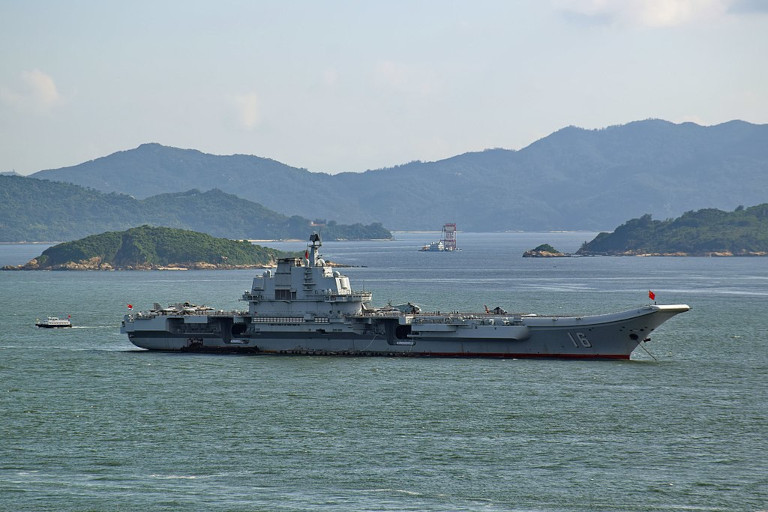
Under the banner of cooperation, Ukraine transferred major defense assets that accelerated China’s modernization. The unfinished aircraft carrier Varyag, sold to Beijing in 1998 under the pretext of conversion into a “floating casino,” became China’s first carrier, the Liaoning. Kyiv also provided the Su-33 prototype that enabled the J-15 carrier fighter, advanced turbofan engine technology, and equipment such as Il-78 refueling aircraft, R-27 air-to-air missiles, and Zubr-class landing craft. Ukrainian specialists helped integrate these systems, giving China the technical foundation for its modern navy and air force.
For years, this partnership symbolized trust and mutual benefit. Yet when Russia invaded Ukraine in 2022, Beijing’s response exposed the limits of that friendship.
While proclaiming respect for “sovereignty and territorial integrity,” the CCP refused to condemn Moscow’s aggression or the illegal annexation of four Ukrainian regions. In United Nations votes condemning the invasion, China repeatedly abstained. Meanwhile, Chinese trade with Russia surged — especially in energy, electronics, and so-called non-lethal components, such as microchips and drone parts — helping to offset the pressure of Western sanctions.
To Ukrainians who had shared their nation’s most valuable technologies, Beijing’s neutrality felt indistinguishable from betrayal. What had once seemed a strategic partnership was revealed as a transaction — profitable for China, ruinous for trust.
The United States: A century of goodwill repaid with broken promises
Few nations have shaped China’s modern development more than the United States. In the early twentieth century, Washington remitted part of the Boxer Indemnity to fund Tsinghua College and scholarships for Chinese students. American institutions such as St. John’s University in Shanghai and the Peking Union Medical College advanced science and education throughout the Republic era.
During World War II, the United States supplied massive aid to China’s resistance against Japan. American pilots of the Flying Tigers fought side-by-side with Chinese forces, and after victory, Washington helped secure China’s position as a permanent member of the United Nations Security Council. Even in the tense years of the Cold War, U.S. warnings reportedly deterred a Soviet plan to launch a limited nuclear strike on China in 1969.
When China opened to the world after the Cultural Revolution, it was again the United States that facilitated its revival — granting Most-Favored-Nation trade status, supporting accession to the World Trade Organization, and investing heavily in its manufacturing base. These policies fueled China’s economic rise and lifted its global standing.
But the spirit of cooperation that once defined the relationship has steadily eroded. Three episodes illustrate the pattern.
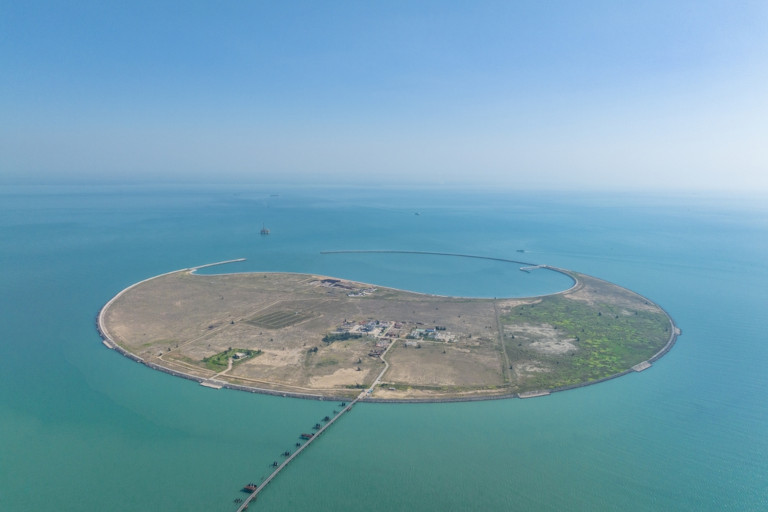
South China Sea militarization: In 2015, Xi Jinping assured President Obama that China had “no intention to militarize” the artificial islands under construction in the South China Sea. Within years, missile launchers, radar systems, and fighter runways appeared on those reefs — undermining that pledge and heightening regional tension.
Trade-agreement breach: The 2020 “phase-one” deal committed China to purchase an additional $200 billion in U.S. goods. Official data show it fulfilled barely 60 percent of that promise, again demonstrating that written agreements carry little weight when political convenience intervenes.
Pandemic concealment: When COVID-19 first emerged in Wuhan, local authorities suppressed early warnings and punished whistleblower doctors. Global containment efforts were delayed, and by the time the truth surfaced, the virus had spread worldwide. For many Americans, this was the ultimate act of bad faith — a refusal to tell the truth when it mattered most.
Across decades of cooperation, the pattern is unmistakable: the CCP accepts assistance when advantageous but abandons commitments when transparency or reciprocity would constrain its interests.
The ideology behind the pattern
These repeated breaches are not isolated incidents but reflections of a deeper worldview. The CCP’s guiding ideology, Marxism-Leninism, treats politics as perpetual struggle and regards moral limits as secondary to outcomes. It teaches that history advances through conflict and that the Party’s survival justifies any means.
In such a system, loyalty, gratitude, and even honesty become expendable. Diplomacy becomes an instrument of utility, not a bond of principle. The result is a widening gap between China’s declared commitment to “win-win cooperation” and its behavior on the world stage.
Erosion of global trust
For Ukraine, the betrayal was silence in the face of invasion. For the United States, it was the steady erosion of promises — from militarization pledges to trade and transparency. In each case, Beijing’s actions confirmed that its partnerships are rooted in calculation, not conviction.
Trust, once lost, is difficult to recover. Without credibility, treaties become fragile and alliances shallow. The CCP’s record of opportunistic diplomacy may have yielded short-term strategic gains, but it has also sown long-term suspicion.
As history repeatedly shows, a nation that values advantage over integrity may rise swiftly — but stands alone when the test of conscience comes.
See Part 1 here
Translated by Chua BC
Follow us on X, Facebook, or Pinterest
