
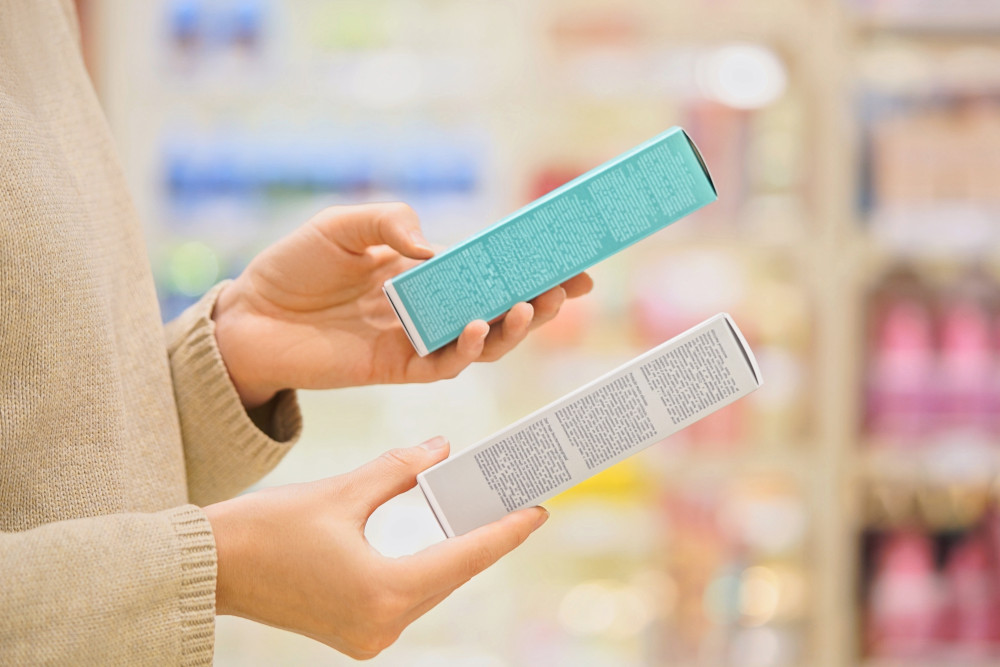
The beauty industry once contended with the specter of animal testing — decades during which consumers demanded reassurance that creams, serums, and powders weren’t being trialed on rabbits. Then came the era of hyper-synthetic innovation: lab-made peptides, encapsulated actives, biotech ingredients. In that phase, the line between “healthy” and “toxic” grew faint. Each advancement promised transformation — but raised new questions about ethics, regulation, and long-term impact.
Now we have entered what many call the era of disclosure. With ingredient databases, transparency portals, mobile apps, and social media, consumers today have access to unprecedented information. Major brands can no longer hide sourcing practices or gloss over ambiguous formulations. Yet even as transparency increases, real disclosure remains elusive — often due to trade secrets, inconsistent regulations, or industry loopholes. This article explores how we arrived at this moment, what still stands in the way, and what the future may demand.
From cruelty scrutiny to chemical complexity
In the early 2000s, public pressure forced beauty brands to confront the ethics of animal testing. The core concern was simple: could companies truthfully claim “cruelty-free” status? In response, many adopted non-animal testing policies, sought third-party certifications, and opened parts of their supply chains to scrutiny.
But the focus soon shifted. The race for performance introduced synthetic actives, such as retinoid derivatives and biotech peptides. These promised results — but brought complexity. As Vogue Business noted, the industry entered “a very grey area” regarding what constitutes “clean,” “eco-friendly,” or “non-toxic.” While brands touted cutting-edge efficacy, consumers struggled to evaluate the safety or sustainability of what was inside.
It became clear that “safe” isn’t just about animal testing or actives — it’s about full formula disclosure: from ingredient origin and manufacturing methods to additive use and fragrance composition.
Consumers are driving a transparency shift
Today’s beauty shoppers aren’t passive. According to Cosmetics Business, 68% of consumers actively seek clean ingredients in skincare. A separate survey by Cleanhub found that 81 percent believe brands should reduce plastic packaging, while 63 percent view “clean beauty” as an essential buying factor.
Such figures point to more than a trend — they signal a structural change. Consumers are holding brands accountable in real-time, using tools like:
- The EWG Skin Deep database, which gives ingredient-level hazard ratings
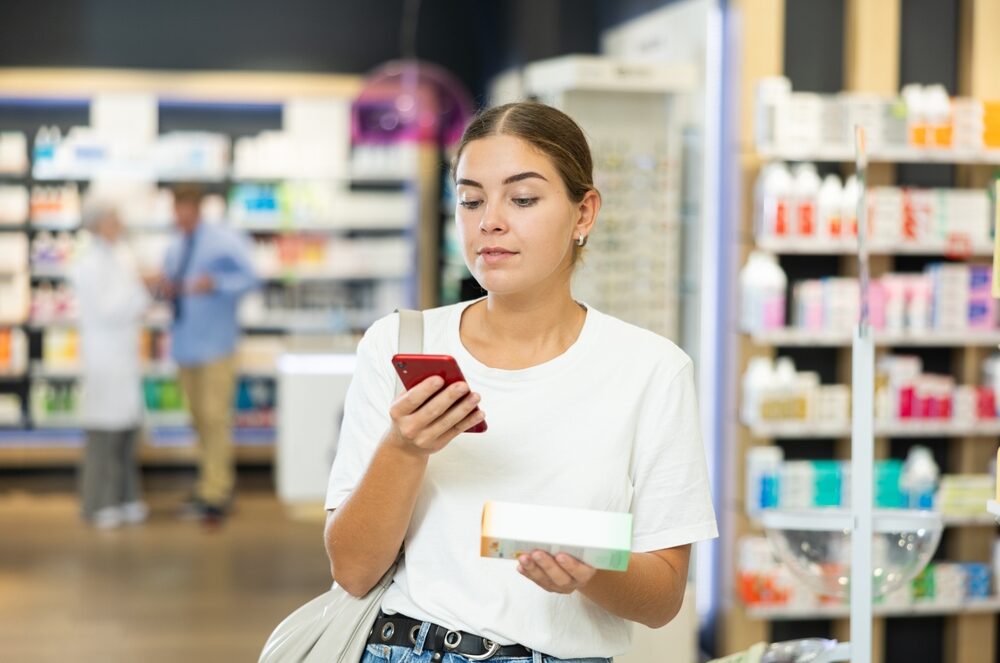
- Apps such as CodeCheck, which allow barcode scans to flag concerns
- Brand portals like SC Johnson’s transparency platform, listing over 10,000 products, and including fragrance allergens
Despite these tools, many formulas remain hard to decode. That brings us to the industry’s most persistent barrier: what’s still hidden.
The last disclosure frontier: Real formula visibility
Most products now display INCI (International Nomenclature Cosmetic Ingredient) lists — but that alone isn’t enough. Brands often don’t disclose ingredient percentages, the origin of multi-component blends, or full fragrance breakdowns. One audit revealed that 75 percent of brands publish ingredient lists but omit quantity data, and 72 percent of fragrance-using brands fail to identify specific compounds (Haus von Eden).
The term “fragrance,” for example, can conceal hundreds of synthetic aroma chemicals, potential allergens, or preservatives with weak safety profiles. As Good On You explained, even legally compliant brands are not required to list how much of each ingredient is used — a loophole with significant health and ethical implications.
Academic researchers echo this concern. A recent review in PMC concluded: “Consumers can help eliminate carcinogens from the market by demanding transparency in ingredient disclosure.”
And yet, reports from Vogue Business continue to highlight gaps: vague language around refillable packaging, incomplete fragrance details, and inconsistent labeling practices.
The task isn’t just to list ingredients — it’s to explain them. This shift brings new urgency to how brands strategize around transparency.
Transparency is now a brand strategy
The clean-beauty movement isn’t just ethically driven — it’s commercially powerful. According to Grand View Research, the global clean beauty market is projected to reach $21.29 billion by 2030, growing at a CAGR of nearly 15 percent. Brands that can’t substantiate their claims risk being outcompeted — or exposed as greenwashing.
Consumer trust is also on the line. A WholeFoods Magazine survey found that 65 percent of shoppers want clear ingredient lists that flag harmful substances. For younger digital-native consumers, transparency is no longer a “nice to have” — it’s a default expectation.
In Spreading Clean Beauty, analysts emphasized that “full ingredient transparency is perhaps the most impactful claim” brands can make when aligning with clean beauty values. For those who embrace the shift, it’s an opportunity to stand out — not just for safety, but for trustworthiness.
For brands, transparency is no longer optional — it’s a business model in itself.

What’s holding complete transparency back?
Despite the momentum, several barriers remain:
- Lack of definitions: Terms like “clean,” “natural,” and “non-toxic” lack universal meaning. As Fortune Business Insights noted, this creates confusion and allows misleading claims to persist.
- Missing percentages: Even informed consumers can’t fully assess a formula without knowing how much of each ingredient is present. Vogue Business noted that most “transparent” brands still omit this data.
- Fragrance secrecy: While major retailers push “clean” programs (noviconnect.com), fragrance remains a blind spot. Until all aroma chemicals are disclosed, the issue will persist.
- Supply chain opacity: Knowing that an ingredient is “plant-derived” isn’t the same as knowing where or how it was sourced. Many brands still offer little traceability.
- Cost and scale: For global brands, disclosure means audits, reformulation, and repackaging — a heavy lift. Smaller companies move faster, but lack reach. Vogue Business found that indie brands generally scored better on transparency benchmarks.
- Low ingredient literacy: Even with full disclosure, terms like “INCI,” “carrier,” or “stabilizer” confuse the average shopper. That’s why education is essential.
What comes next: Normalizing radical visibility
The next chapter isn’t just about more data — it’s about making full disclosure the new norm. Here’s where we’re headed:
- Ingredient details by default: Brands will be expected to share not just names, but quantities, sourcing, health impacts, and trade information — enabling side-by-side comparison.
- Tech-driven tools: Apps, blockchain tracking, and AI-powered ingredient checkers are already gaining traction. Byrdie reports a growing ecosystem of consumer-friendly platforms.
- Third-party scorecards: Resources like Good On You and PLEB Magazine help consumers evaluate brands using consistent standards.
- Transparency literacy: Expect more educational campaigns on ingredient types, percentages, and sourcing methods. As noted in PMC, literacy is key to reducing risk.
- Sustainability integration: Consumers will want visibility on everything — including carbon footprint, labor practices, and packaging reuse. As Fortune Business Insights observed, sustainability and transparency go hand in hand.
Conclusion: From hidden lists to visible trust
The beauty industry has evolved from animal testing debates to ingredient complexity — and now to a widespread demand for clarity. In this new landscape, transparency isn’t just a promise — it’s the foundation of trust.
Still, the final hurdle remains: full, verifiable, and understandable disclosure of every ingredient’s identity, quantity, and impact. Brands that meet this standard won’t just earn loyalty — they’ll define the future of beauty.
In the era of disclosure, the consumer isn’t just a buyer — they’re a questioner, researcher, and watchdog. And in that environment, the only safe strategy is to be truly transparent.
Follow us on X, Facebook, or Pinterest
