
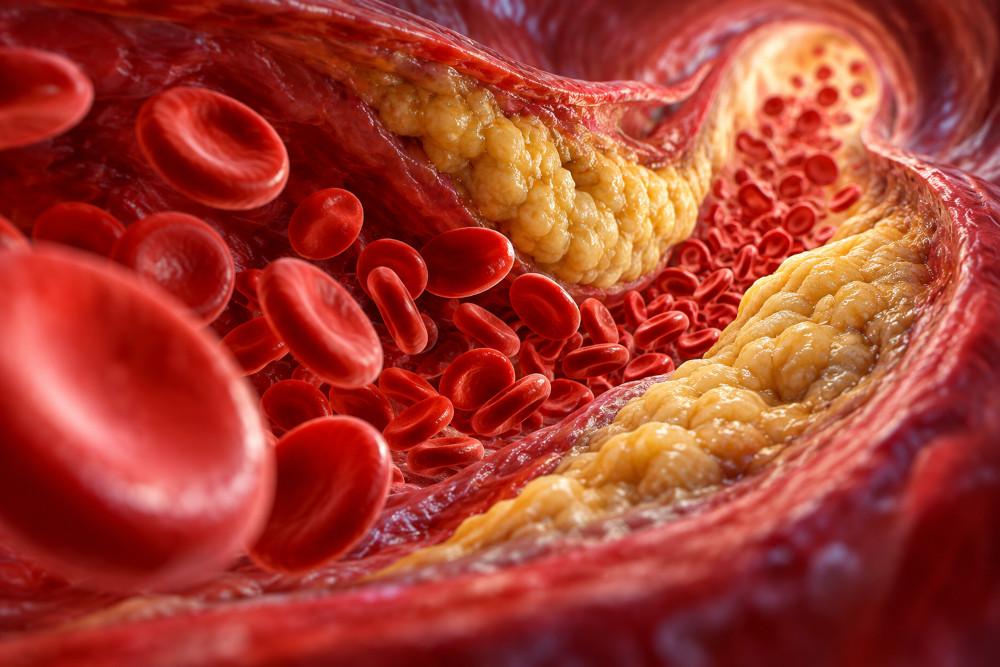
Our blood vessels form an intricate network that delivers oxygen and nutrients throughout the body. Like highways carrying essential supplies, they keep our organs functioning properly. But when arteries become narrowed or blocked arteries develop, the consequences can be serious, potentially leading to heart attacks, strokes, and other life-threatening conditions.
Although the risk of vascular disease generally increases with age, younger adults are not immune. Unhealthy eating habits, smoking, high blood pressure, and other risk factors can contribute to arterial damage long before symptoms appear. Understanding how these problems develop is an important step toward protecting cardiovascular health.
What happens when arteries become blocked?
One of the most common causes of arterial narrowing is atherosclerosis, a condition in which fatty deposits called plaques accumulate within artery walls. These deposits contain cholesterol, inflammatory cells, calcium, and other substances. As plaques develop, arteries may become less flexible, and the space available for blood to flow can gradually narrow.
The consequences depend on which arteries are affected. In the legs, reduced circulation can cause peripheral artery disease, resulting in pain, weakness, or difficulty walking. Severe cases can lead to tissue damage and even amputation.
When arteries supplying the heart narrow, the heart muscle may not receive enough oxygen-rich blood, which can cause chest pain or angina. If a plaque ruptures and a blood clot forms, blood flow can suddenly become blocked, triggering a heart attack.
Similarly, blocked arteries supplying the brain can cause an ischemic stroke, depriving brain tissue of oxygen. Because the brain is particularly sensitive to interruptions in blood supply, prompt treatment is essential.
Warning signs that should not be ignored
Atherosclerosis often develops silently over many years. Some people experience no noticeable symptoms until an artery becomes severely narrowed or a sudden blockage occurs.
Headaches, dizziness, and difficulty breathing can sometimes indicate poor circulation, particularly upon waking. However, these symptoms have many possible causes and cannot reliably indicate a blocked blood vessel. Frequent or unexplained symptoms deserve medical evaluation, especially in people with cardiovascular risk factors.
Some symptoms require immediate attention. Sudden weakness or numbness on one side of the body, difficulty speaking, vision changes, loss of balance, or an unusually severe headache may indicate a stroke. Chest pressure or discomfort, especially with shortness of breath, sweating, or pain spreading to the arm or jaw, may signal a heart attack.

Sudden, severe breathing difficulty can also indicate a pulmonary embolism, a condition in which a blood clot obstructs blood flow in the lungs. Unlike atherosclerosis, pulmonary embolisms commonly involve clots that originate in the deep veins.
Anyone experiencing symptoms suggestive of a stroke, heart attack, or pulmonary embolism should seek emergency medical assistance immediately.
How atherosclerosis develops
Arterial plaque develops through more than cholesterol simply sticking to blood vessel walls. It is a complex process involving cholesterol-containing particles, inflammation, and changes in the inner lining of arteries, known as the endothelium.
Low-density lipoprotein (LDL) cholesterol, often called “bad cholesterol,” plays an important role. When LDL-containing particles accumulate in artery walls, they can change and trigger an inflammatory response.
Immune cells called macrophages absorb some of these particles, becoming cholesterol-filled “foam cells.” As these cells accumulate, they contribute to the formation and growth of atherosclerotic plaques. Over time, the plaques may become larger, harden through calcium deposition, or become unstable.
If a plaque ruptures or its surface becomes damaged, blood platelets may gather at the site and form a clot. This can rapidly restrict or completely obstruct blood flow, potentially causing a heart attack or stroke.
Factors that increase the risk of arterial disease
Several conditions and lifestyle habits can accelerate atherosclerosis. While some risk factors, such as age and family history, cannot be changed, you can manage many others.
High cholesterol and chronic inflammation
Elevated LDL cholesterol increases the likelihood that cholesterol-containing particles will accumulate in artery walls. High triglyceride levels may also signal increased cardiovascular risk, particularly when accompanied by other metabolic problems.
Inflammation is another important contributor. Although inflammation normally helps the body respond to injury and infection, persistent inflammatory activity within arterial walls can promote plaque formation and progression.
Smoking and high blood pressure
Smoking damages the vascular endothelium, promotes inflammation, and increases blood clotting. Cigarette smoke also contains carbon monoxide, which reduces the blood’s oxygen-carrying capacity. Together, these effects significantly increase the risk of cardiovascular disease.
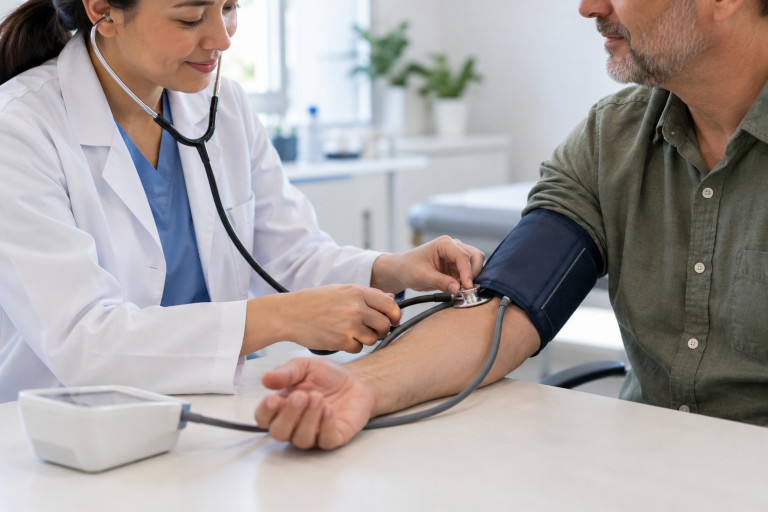
High blood pressure adds mechanical stress to artery walls. Over time, this can damage blood vessels and accelerate atherosclerosis. Because hypertension frequently causes no noticeable symptoms, regular blood pressure monitoring is especially important.
High blood sugar and metabolic problems
Persistently elevated blood sugar, particularly in people with diabetes, can damage blood vessels and contribute to inflammation. Diabetes often occurs alongside other cardiovascular risk factors, including high blood pressure and abnormal cholesterol levels.
Elevated uric acid levels have also been associated with cardiovascular disease in some studies. However, the relationship is complex, and researchers have not established that lowering uric acid alone prevents atherosclerosis or cardiovascular events.
Diet and physical inactivity
A diet consistently high in saturated fats, sodium, refined carbohydrates, and added sugars may contribute to conditions that increase cardiovascular risk. Frequent consumption of highly processed foods can make it more difficult to maintain healthy cholesterol levels, blood pressure, and body weight.
Physical inactivity compounds these problems. Regular exercise improves cardiovascular fitness, supports healthy blood pressure, and helps manage blood sugar and cholesterol.
Traditional Chinese foods for vascular health
Traditional Chinese approaches to wellness have long emphasized the relationship between diet and physical health. Common ingredients in Chinese food and traditional medicinal preparations include mulberries and hemp seeds, which often appear together in recipes intended to support general well-being.
Mulberries contain natural compounds called polyphenols, including anthocyanins, which give darker varieties their distinctive color. These substances have attracted scientific interest because of their antioxidant properties and possible effects on metabolic health.
Some clinical studies have reported improvements in cholesterol levels and certain blood sugar measurements after consuming mulberry preparations. A 2022 review of randomized controlled trials found potentially favorable effects on several cardiovascular risk markers. However, the preparations, doses, and study populations varied, and further research is needed to determine their clinical significance.
Hemp seeds, known in Chinese as huo ma ren, are another traditional ingredient with nutritional value. They contain plant-based protein, minerals, and unsaturated fats, including omega-3 and omega-6 fatty acids. These nutrients can contribute to a balanced diet and may help support cardiovascular health.
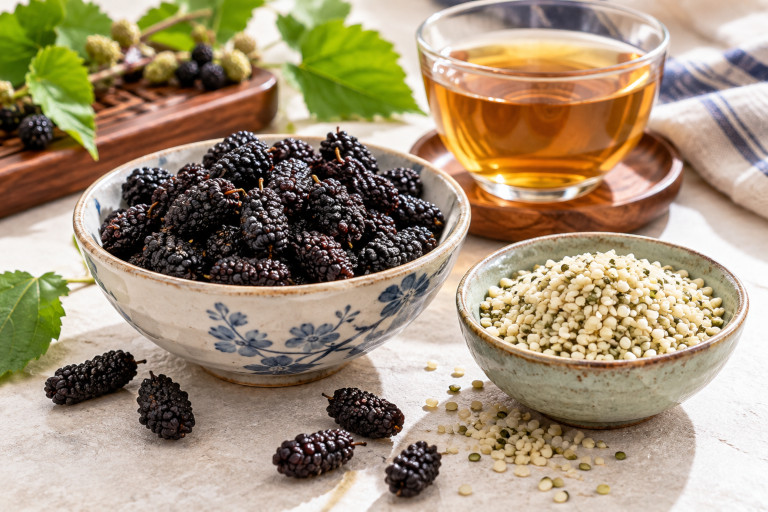
Traditional Chinese preparations sometimes combine mulberries and hemp seeds with other ingredients, such as wood ear mushrooms, cassia seeds, kudzu root, and Solomon’s seal. Such combinations reflect a longstanding interest in supporting health through food and medicinal plants.
However, traditional use does not necessarily establish medical effectiveness. While mulberries and hemp seeds can be nutritious additions to a varied diet, no convincing clinical evidence shows that a tea made from these ingredients can dissolve arterial plaque, remove accumulated cholesterol from blood vessels, or prevent heart attacks and strokes.
A simple mulberry and hemp seed infusion
For those interested in incorporating these traditional ingredients into their diet, a simple food-based variation offers an accessible alternative to complex herbal formulas.
To prepare one serving, place 1 tablespoon of unsweetened dried mulberries in a cup and add about 8 ounces of hot water. Cover and steep for about 10 minutes, allowing the fruit to soften and release its flavor. Stir in 1 teaspoon of plain, shelled hemp seeds, then enjoy the infusion with the softened berries and seeds.
This preparation is a culinary adaptation inspired by the traditional combination, rather than a standardized medicinal formula. Consuming the fruit and seeds also provides nutrients that steeping in water may not fully extract.
More elaborate herbal mixtures require additional caution. Certain ingredients may cause adverse effects or interact with medications, particularly blood-thinning drugs or medications used to manage cardiovascular conditions. Anyone considering medicinal-strength herbal preparations should consult a qualified healthcare professional, especially if taking prescription medications.
Everyday habits that help protect blood vessels
No single food, tea, or exercise can guarantee healthy arteries, but consistent lifestyle choices can substantially reduce cardiovascular risk.
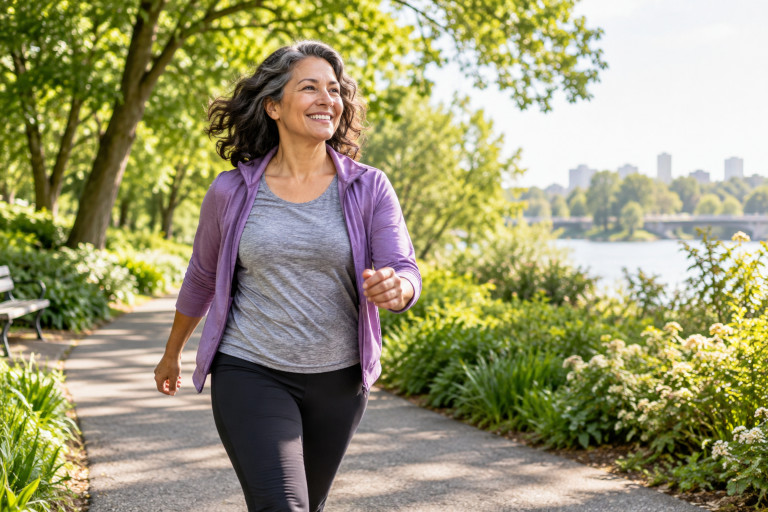
Regular physical activity is one of the most effective steps. The American Heart Association recommends that adults aim for at least 150 minutes of moderate aerobic exercise each week, such as brisk walking, or 75 minutes of vigorous activity.
Simple movements, including calf raises or briefly walking on tiptoes, can engage the leg muscles and may help encourage venous circulation. However, these exercises should not be considered treatments for blocked arteries. People with balance difficulties or significant leg pain should choose activities appropriate to their physical condition.
A heart-healthy diet is equally important. Vegetables, fruits, whole grains, legumes, nuts, seeds, and sources of unsaturated fats provide nutrients that support overall cardiovascular health. Reducing excessive sodium, added sugars, and saturated fats can also help manage important risk factors.
Avoiding tobacco, getting enough sleep, maintaining a healthy body weight, and managing stress all support long-term well-being. Regular medical checkups can identify elevated cholesterol, high blood pressure, and diabetes before serious complications arise. When necessary, prescribed medications provide additional protection that dietary measures alone may not achieve.
Atherosclerosis can develop gradually, often without obvious warning signs. By understanding its causes, recognizing symptoms that require medical attention, and making thoughtful choices about diet and lifestyle, individuals can take meaningful steps to protect their circulation and reduce their risk of serious cardiovascular disease.
Translated by Joseph Wu
Follow us on X, Facebook, or Pinterest
