
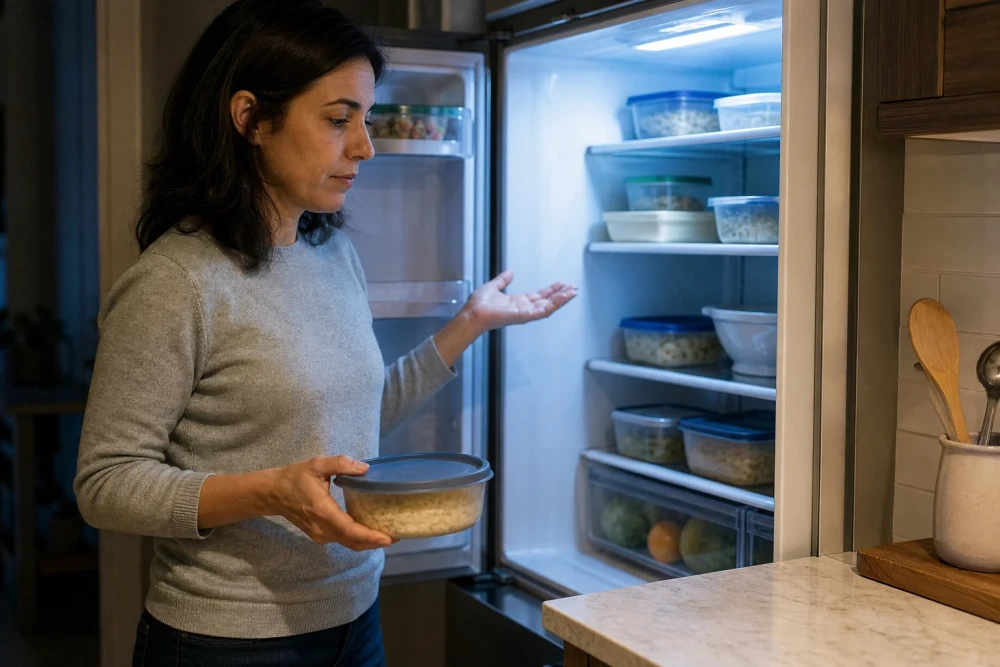
Out of frugality, many people assume they can store any leftovers in the refrigerator and reheat them the next day without consequence. However, even with thorough, high-temperature reheating, certain dishes not only lose their core nutritional value, but can also foster invisible bacteria, heat-resistant toxins, and harmful chemical compounds that pose serious risks to human health. While minimizing food waste is an admirable goal, your well-being and your family’s must come first.
5 categories of dangerous leftovers that are inherently unsuitable for reheating
1. Leafy green vegetables (spinach, bok choy, celery)
Leafy green vegetables absorb significant amounts of naturally occurring environmental nitrates during cultivation and growth. While fresh nitrates are harmless, cooked green vegetables left to sit overnight undergo a bacterial-driven chemical transformation that converts these benign nitrates into toxic nitrites. Once ingested into the bloodstream, nitrites interact with hemoglobin to impair the blood’s crucial oxygen-carrying capacity, potentially leading to symptoms ranging from mild fatigue and headache to severe hypoxia. Refrigeration only slows this chemical conversion; it doesn’t stop it, so nitrite concentrations steadily rise over time. Because reheating cannot reverse nitrate oxidation or eliminate nitrites once formed, cook and eat leafy greens in a single sitting, and throw away any leftovers immediately.
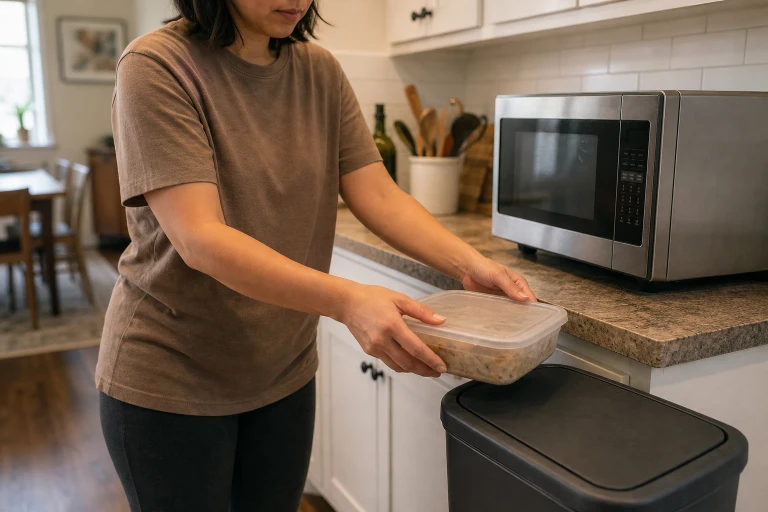
2. Seafood and aquatic products (fish, shrimp, crab, shellfish)
Seafood is celebrated for its high-quality protein and delicate flavor profile, but its soft tissue fibers and high moisture content make it extraordinarily susceptible to rapid bacterial decomposition. When cooked fish, shrimp, crab, or shellfish are kept overnight, opportunistic microorganisms like Vibrio parahaemolyticus multiply quickly within the protein matrix. Reheating seafood alters its physical integrity — making the meat tough, rubbery, and dry while intensifying off-putting fishy odors — and often fails to deactivate heat-stable bacterial toxins that develop during storage. Consuming improperly preserved leftover seafood can easily trigger severe acute gastroenteritis, violent diarrhea, abdominal cramps, and full-blown food poisoning. To maintain food safety, cook seafood in moderate portions and eat it immediately after preparation rather than saving it for later.
3. Undercooked and soft-boiled eggs (onsen eggs, poached eggs)
Soft-boiled eggs with incompletely set yolks, such as traditional Japanese onsen eggs or classic poached eggs with runny centers, carry an inherent risk of harboring pathogenic bacteria like Salmonella. Because these eggs don’t reach the internal temperature needed to fully sterilize the yolk during initial preparation, refrigerating them creates a dormant environment where resilient bacteria can continue to multiply. Subsequent reheating often causes uneven heat distribution, making it virtually impossible to eliminate all bacterial colonies without overcooking the egg into a hard, rubbery mass. While fully cooked hard-boiled or thoroughly scrambled eggs pose a much lower risk when promptly sealed and refrigerated, runny or soft-boiled eggs should never be saved for later and must be discarded if unconsumed.
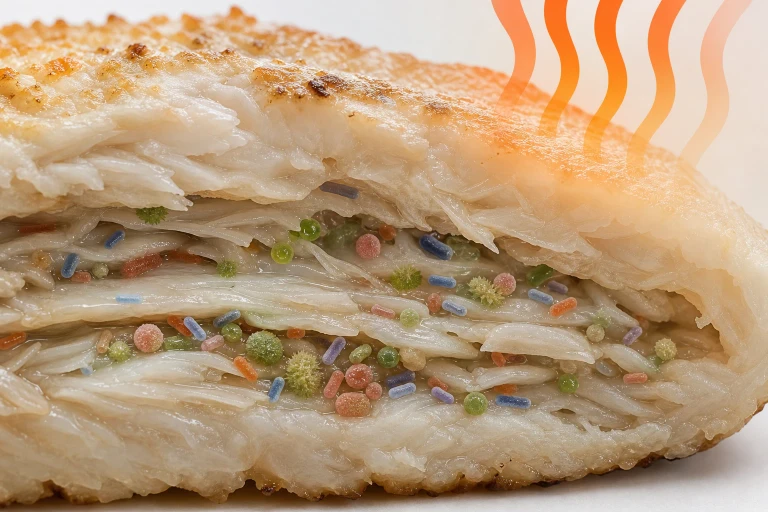
4. Cold dishes, prepared salads, and seasoned appetizers
Cold appetizers — such as smashed cucumber salad, dressed cold starch noodles, marinated wood ear mushrooms, and mixed green salads — do not undergo high-temperature cooking during their initial assembly and naturally carry higher baseline microorganism counts. Furthermore, traditional cold dish dressings featuring ingredients like raw minced garlic, vinegar, soy sauce, and aromatic sesame oil create a nutrient-dense liquid environment ideal for rapid microbial proliferation. Because cold salads are meant to be consumed chilled or at room temperature, reheating them to destroy accumulated bacteria can ruin their intended crisp texture and flavor. Storing seasoned cold dishes in the refrigerator overnight allows bacterial loads to surge exponentially, increasing the risk of foodborne illness, nausea, and intestinal distress when consumed.
5. Freshly made soy milk and cultivated mushrooms
Freshly made plant-based beverages like soy milk are rich in proteins and minerals, making them fertile growth media for ambient bacteria if left unpasteurized or kept at room temperature for more than two hours. Reheating soy milk overnight often causes the proteins to curdle or spoil, severely compromising both safety and texture. Similarly, cooked mushrooms (such as shiitake, wood ear, portobello, and enoki) degrade rapidly when left overnight. Under sub-optimal storage conditions, lingering moisture and microbial activity in mushroom dishes generate secondary metabolites and breakdown products that stress the liver and digestive tract. Reheating cooked fungi rarely restores their original texture or culinary appeal, so fresh preparation is the safest choice.
Cultivating safer kitchen habits
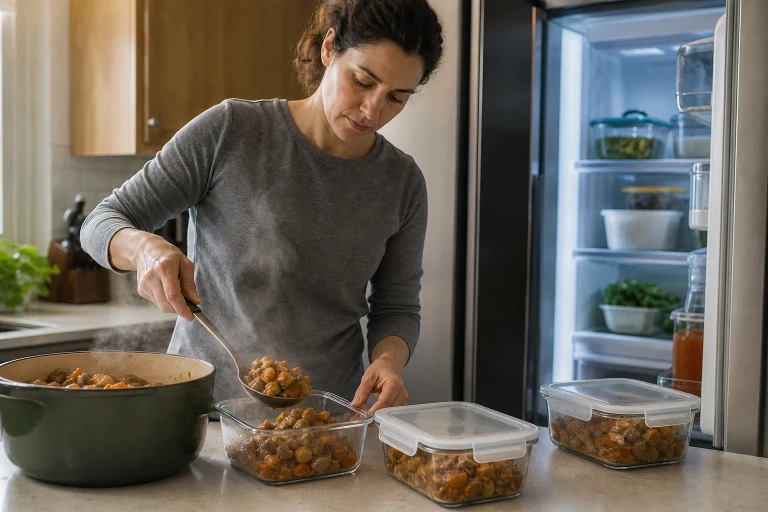
To balance health safety with practical meal management, proactive planning is far more effective than relying on reheating risky leftovers. If you expect a large batch of food will not be finished in one sitting, portion out the excess into clean, airtight glass containers immediately after cooking — while the dish is still steaming hot — and put them directly in the refrigerator or freezer. Storing unconsumed food before family members use serving utensils or chopsticks prevents cross-contamination from bacteria in saliva. These mindful prep techniques keep your kitchen efficient and safe, so you can enjoy delicious, nutritious meals without compromising your health.
Translated by Patty Zhang and reviewed by Amanda
Follow us on X, Facebook, or Pinterest
