
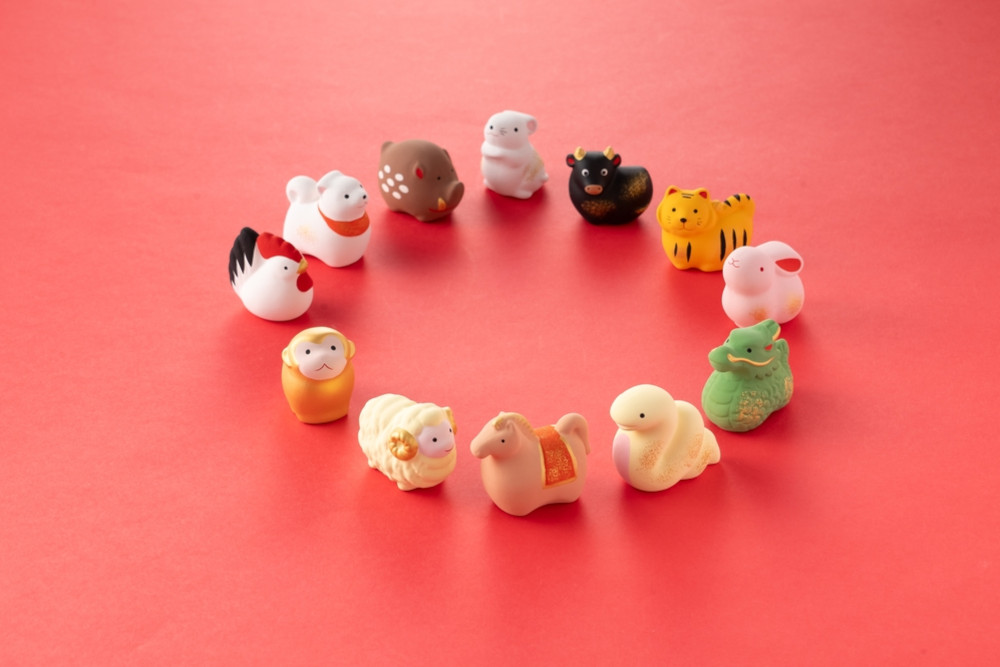
What does your birth year reveal about your character? For over four thousand years, people across Asia have looked to the Chinese zodiac animals for answers. The twelve creatures of the zodiac, each with distinct personalities and virtues, continue to shape how billions of people understand themselves, choose partners, and make major life decisions.
The Chinese zodiac, known as Sheng Xiao (生肖), is far more than an ancient curiosity. It remains a living wisdom tradition that influences everything from baby naming to business partnerships. Behind these 12 animals lies one of the world’s most beloved legends: the story of a great celestial race that determined which creatures would represent the years, and in what order they would appear.
This guide explores the legendary race that chose the Chinese zodiac animals, the deeper meaning behind each creature, and the wisdom this ancient system offers to modern seekers. Whether you were born in the Year of the Dragon or the Year of the Pig, understanding your zodiac sign opens a window into Chinese philosophy that has guided countless generations.
The Jade Emperor’s Great Race
A contest to measure time
Long ago, the Jade Emperor, supreme ruler of Heaven in Chinese mythology, looked down upon the Earth and realized that humanity needed a way to measure time. According to the most beloved version of the Chinese zodiac legend, he decreed that a great race would be held. The first twelve animals to cross a mighty river and reach his heavenly palace would each have a year named in their honor.
The Jade Emperor, known as Yu Huang (玉皇), holds the highest position in the Taoist celestial hierarchy. When he issued his decree, animals from across the land gathered at the riverbank. Some were natural swimmers. Others could barely stay afloat. A few possessed cunning minds that would prove more valuable than physical strength.
The river stretched wide and treacherous before them. Victory would not go to the fastest or the strongest, but to those who best demonstrated their essential nature. And so the race began.
Why this legend endures
The Great Race story persists because it reveals something true about each animal’s character. The rat wins not through speed but through intelligence. The ox loses first place not through weakness but through kindness. The dragon, who could easily have won, chooses compassion over victory.
These are not just racing outcomes. They are moral teachings wrapped in narrative form. Chinese culture has always favored stories that reveal wisdom through action rather than lecture. The zodiac legend delivers this perfectly, giving each animal a tale that explains both its position and its meaning.
How each animal won its place
The clever rat and the kindhearted ox
The rat and the cat were close friends before the race. Neither could swim well, so they approached the ox, known for his strength and good nature. Would he carry them across the river on his broad back?
The ox agreed immediately. He was honest, dependable, and happy to help his smaller neighbors. As dawn broke on race day, the ox entered the water with both the rat and the cat clinging to his back.
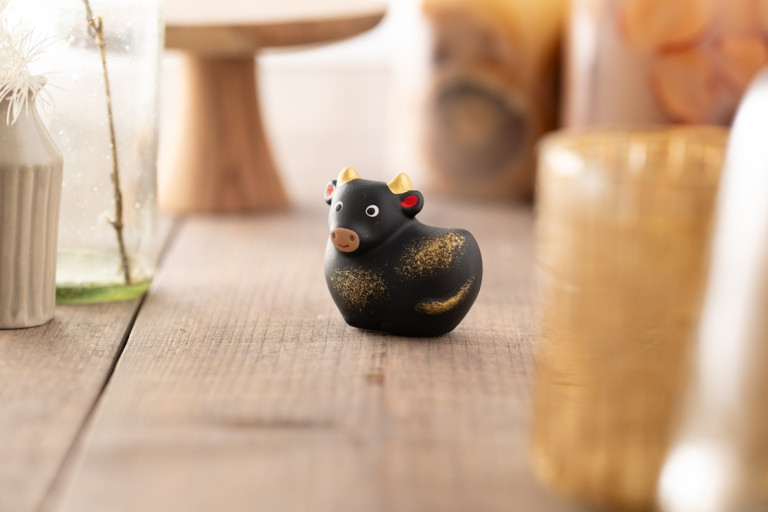
The ox swam powerfully through the current, pulling ahead of even the tiger. As the far bank came into view, the ox felt certain he would win. But the rat had other plans.
Just as the ox was about to touch shore, the rat leaped from his back, landed on solid ground, and scurried to the Jade Emperor’s feet. The rat became the first animal of the zodiac. The ox, despite his greater strength and effort, came in second.
This outcome teaches a central Chinese philosophical principle: intelligence and opportunity matter as much as raw strength. The rat represents resourcefulness, adaptability, and the ability to see possibilities others miss. The ox represents diligence, reliability, and the virtue of helping others, even when that kindness is not repaid.
The brave tiger and resourceful rabbit
The tiger, king of all beasts, refused help from anyone. He plunged into the river alone, relying on his powerful muscles to fight the current. The water pushed against him relentlessly, but the tiger’s determination never wavered. He emerged on the far bank exhausted but proud, claiming third place.
The rabbit faced a different challenge. Too small to swim the raging river, she hopped from stone to stone across the water. Halfway across, with no more stones in reach, she nearly gave up. Then a floating log drifted by. The rabbit leaped onto it, rode the current to shore, and arrived in fourth place.
The tiger teaches courage and persistence in the face of adversity. Those born in tiger years are known for their bravery and independent spirit. The rabbit teaches adaptability and the wisdom to use whatever resources appear. Rabbit people are recognized for their grace under pressure and their ability to find solutions where others see only obstacles.
The benevolent dragon and wise snake
The dragon could fly. Of all the contestants, he alone possessed the power to soar above the river without getting wet. He should have won easily.
But as the dragon flew over the land, he saw a village suffering from drought. The crops were dying, and the people were desperate for rain. The dragon could not ignore their suffering. He stopped to bring them rain, sacrificing his certain victory for the welfare of strangers.
Later, flying over the river itself, the dragon noticed the rabbit struggling on her log. He sent a puff of breath to push her safely to shore. Only then did he continue to the Jade Emperor’s palace, arriving in fifth place.
The dragon’s story explains why this creature holds such special significance in Chinese culture. Dragons represent power, wisdom, and good fortune, but most importantly, they represent benevolence. The dragon’s willingness to sacrifice personal gain for others makes him the most revered of all zodiac animals.
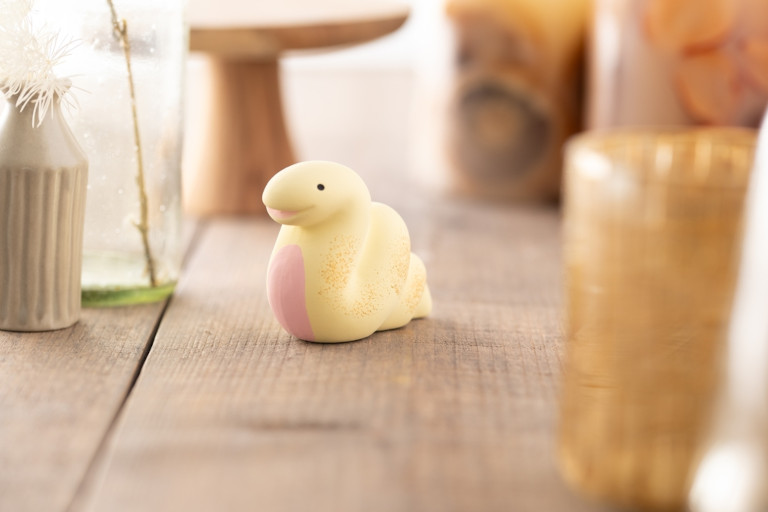
The snake, called the “little dragon” in Chinese tradition, demonstrated a different kind of wisdom. She coiled herself around the horse’s hoof and rode undetected across the river. Just as the horse was about to claim sixth place, the snake slithered off and startled him, taking the position for herself.
The snake represents intelligence, intuition, and strategic thinking. Those born in snake years are known for their wisdom and their ability to achieve goals through patience rather than force.
The free-spirited horse and the cooperative trio
The horse galloped through the water with tremendous speed, certain of victory until the snake’s sudden appearance. Startled, he reared back, allowing the snake to claim sixth place while he settled for seventh.
The horse teaches us about enthusiasm and energy, as well as the importance of staying calm under pressure. Horse people are known for their animated spirits and their love of freedom, though they sometimes act before thinking.
Behind them came three animals who chose a different strategy entirely. The goat, the monkey, and the rooster found a raft and decided to work together. The rooster spotted the raft floating downstream. The monkey cleared away the weeds tangling it. The goat steered with patient determination.
Their teamwork carried them safely across. The Jade Emperor was so pleased by their cooperation that he honored them in the order they stepped off the raft: goat in eighth place, monkey in ninth, rooster in tenth.
These three animals represent the power of community and collaboration. The goat symbolizes peace and gentleness. The monkey represents cleverness and curiosity. The rooster embodies confidence and honesty. Together, they demonstrate that working with others often achieves more than competing alone.
The playful dog and content pig
The dog was an excellent swimmer who should have finished much earlier. But dogs love water, and this one could not resist splashing and playing in the river. He chased his tail, dove after interesting sticks, and generally enjoyed himself so thoroughly that he arrived in eleventh place.
The Jade Emperor could not help but smile. The dog’s joy was so pure, his love of the moment so complete, that even his low ranking seemed like a triumph of spirit over ambition. Dogs represent loyalty, honesty, and the ability to find happiness in simple pleasures.
Last of all came the pig. He had started the race hungry and, partway across, found a delicious meal waiting on a small island. After eating his fill, he felt sleepy. A short nap turned into a long one. By the time he waddled up to the Jade Emperor, the race was all but over.
Yet the pig showed no regret. He had enjoyed an excellent meal and a refreshing sleep. Finishing last bothered him not at all. The pig represents contentment, generosity, and the wisdom to enjoy life’s pleasures without constant striving. Those born in pig years are known for their good-natured optimism and their ability to find satisfaction where others see only missed opportunities.

Why there is no cat in the Chinese zodiac
The rat’s betrayal
The most famous question about the Chinese zodiac is this: Why is there no Year of the Cat? The answer lies in the rat’s actions on the morning of the great race.
Remember that the cat and rat were friends who had agreed to cross the river together on the ox’s back. But the rat harbored a secret fear. The cat was beautiful, graceful, and universally admired. The rat worried that the Jade Emperor would favor the cat over him.
In one version of the legend, the rat simply failed to wake the cat on the morning of the race. The cat overslept and missed the competition entirely. In another, darker version, the rat pushed the cat off the ox’s back midway across the river, causing the cat to drown.
Either way, the cat never reached the Jade Emperor’s palace. And this, Chinese folklore explains, is why cats have hated rats ever since. Whenever a cat sees a rat, ancient memories of betrayal surge up, and the chase begins.
The Vietnamese exception
Interestingly, Vietnam’s zodiac does include the cat. In the Vietnamese calendar, the cat takes the place of the rabbit in the fourth position. Scholars believe this substitution occurred because the word for “rabbit” in the Chinese calendar system sounds similar to the Vietnamese word for “cat.”
This regional variation reminds us that the zodiac, like all living traditions, adapts to local cultures while maintaining its essential structure.
What each animal means: Personality traits of the 12 Chinese zodiac animals
Understanding the Chinese zodiac animals means understanding the personality traits each one represents. If you were born in that animal’s year, tradition holds that you share its essential nature.
Rat (鼠): Quick-witted, resourceful, and adaptable. Rats navigate life’s challenges with intelligence and charm. They excel at finding opportunities others miss. Growth area: learning to share credit with others.
Ox (牛): Diligent, dependable, and patient. Oxen achieve their goals through steady effort rather than flashy moves. They are the reliable friends everyone needs. Growth area: flexibility and openness to change.
Tiger (虎): Brave, confident, and competitive. Tigers approach challenges with courage and passion. They are natural leaders who inspire others. Growth area: patience and diplomacy.
Rabbit (兔): Gentle, elegant, and kind. Rabbits possess refined taste and strong social skills. They create harmony wherever they go. Growth area: speaking up for themselves.
Dragon (龍): Confident, intelligent, and ambitious. Dragons are charismatic leaders blessed with good fortune. They inspire others through their vision. Growth area: accepting limitations.
Snake (蛇): Wise, intuitive, and strategic. Snakes think deeply and act decisively. They achieve success through patience rather than force. Growth area: trusting others.
Horse (馬): Animated, energetic, and independent. Horses love freedom and adventure. They work hard and inspire enthusiasm. Growth area: follow-through and commitment.
Goat (羊): Calm, gentle, and creative. Goats possess artistic sensitivity and deep compassion. They bring peace to troubled situations. Growth area: assertiveness.
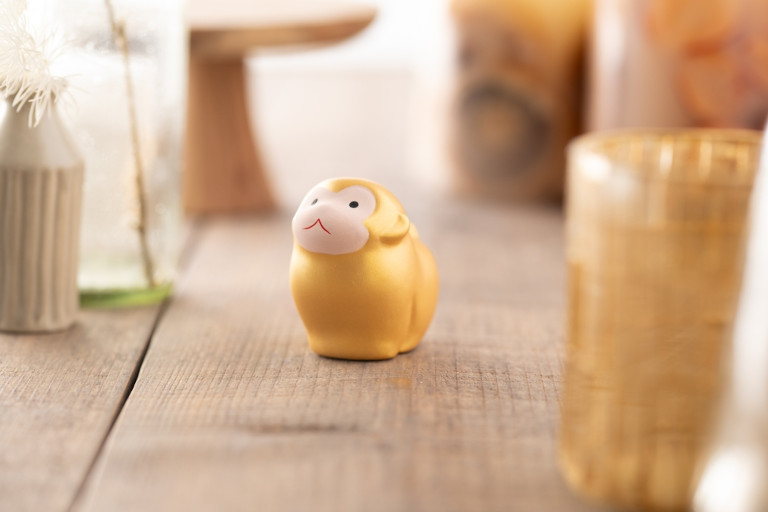
Monkey (猴): Sharp, clever, and curious. Monkeys solve problems with remarkable creativity. They adapt quickly to new situations. Growth area: focus and consistency.
Rooster (雞): Observant, hardworking, and honest. Roosters speak their minds and back up their words with action. They notice details others miss. Growth area: tact and diplomacy.
Dog (狗): Loyal, honest, and dependable. Dogs are faithful friends who stand by loved ones through anything. They possess strong moral principles. Growth area: optimism and trust.
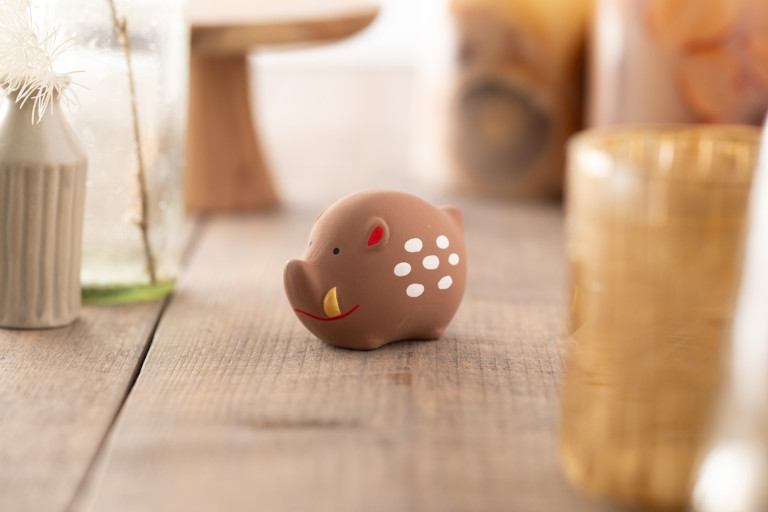
Pig (豬): Compassionate, generous, and sincere. Pigs approach life with warmth and good humor. They find joy in simple pleasures. Growth area: self-discipline.
The Five Elements: Deeper Chinese zodiac wisdom
Wood, fire, earth, metal, and water
The Chinese zodiac operates on a 12-year cycle, but this represents only part of the system. Each animal sign also combines with one of five elements: wood, fire, earth, metal, or water. This creates a complete 60-year cycle where each animal-element combination appears once per cycle.
The Five Elements, known as Wu Xing (五行), represent fundamental forces that shape personality and destiny:
Wood (木): Creativity, growth, and expansion. Wood signs are generous, idealistic, and focused on new beginnings.
Fire (火): Passion, energy, and transformation. Fire signs are dynamic leaders driven by enthusiasm and warmth.
Earth (土): Stability, practicality, and nurturing. Earth signs are grounded, reliable, and focused on building lasting foundations.
Metal (金): Strength, determination, and precision. Metal signs are ambitious, disciplined, and unwavering in their commitments.
Water (水): Wisdom, flexibility, and intuition. Water signs are adaptable, communicative, and deeply perceptive.
To find your element, look at the last digit of your birth year. Years ending in 0 or 1 are Metal. Years ending in 2 or 3 are Water. Years ending in 4 or 5 are Wood. Years ending in 6 or 7 are Fire. Years ending in 8 or 9 are Earth.
A Water Dragon differs significantly from a Fire Dragon. A Metal Rat approaches life differently than a Wood Rat. Understanding both your animal and your element provides a fuller picture of your zodiac identity.
The living wisdom of the zodiac
How Chinese culture uses the zodiac today
The Chinese zodiac is not merely a historical curiosity. It remains actively used throughout China and across Asian cultures for important life decisions.
Ben Ming Nian (本命年): Every 12 years, your zodiac animal year returns. This is called your Ben Ming Nian, or birth year. Tradition holds that this year brings both opportunities and challenges. Many people wear red during their Ben Ming Nian for protection and good fortune.
Marriage compatibility: Parents and matchmakers traditionally consult the zodiac when evaluating potential marriages. Certain animal combinations are considered harmonious, while others face more challenges. Dragons and rats are thought to complement each other well. Tigers and monkeys may struggle.
Baby planning: In China, Taiwan, and Hong Kong, birth rates increase noticeably during Dragon years. Parents hope their children will inherit the dragon’s fortune and success. The Year of the Pig is also popular, as pig children are believed to be blessed with comfort and contentment.
Business decisions: Some entrepreneurs consult the zodiac when choosing business partners, launch dates, or major investments. The system provides a framework for thinking about compatibility and timing.
Alternative origins of the Chinese zodiac
Buddhist and creation legends
The Great Race is the most popular origin story, but other legends exist.
In Buddhist tradition, the historical Buddha summoned all animals to bid him farewell before he departed from the world. Only twelve came. To honor their devotion, he named a year after each in the order of their arrival.
An older Chinese creation myth explains the rat’s first position differently. Before heaven and earth separated, the universe existed in darkness, formless like an egg. It was the rat who bit through this cosmic shell, letting light flood in and beginning creation itself. For this essential act, the rat earned eternal first place.
Historical records suggest the zodiac system developed gradually during the Warring States period (475-221 B.C.) and became fully standardized during the Han Dynasty (206 B.C.-A.D. 220). By this time, the 12 animals were firmly linked to the Earthly Branches, the ancient Chinese system for counting years and hours.
Finding your place in the zodiac
The Chinese zodiac offers more than personality descriptions or fortune-telling. It provides a framework for self-reflection rooted in four thousand years of observed human nature.
Each animal earned its place through characteristic behavior. The rat’s cleverness, the ox’s generosity, the dragon’s benevolence, the pig’s contentment: these are not just racing outcomes but virtues worth cultivating. Whether or not you were born in a particular animal’s year, you can learn from what that creature represents.
The zodiac also reminds us that no single trait guarantees success. The rat won through intelligence, but the ox’s steady kindness is equally valuable. The tiger’s courage is admirable, but so is the rabbit’s adaptability. The dragon who could have won easily chose compassion instead and is honored above all others.
Your birth year offers a starting point for understanding yourself, not a fixed destiny. The Chinese zodiac invites you to explore your strengths, acknowledge your growth areas, and connect with wisdom that has guided countless generations.
What does your animal teach? What virtues does your element encourage? The answers lie waiting, in a legend that has never stopped speaking to those who listen.
Follow us on Twitter, Facebook, or Pinterest
