

In his famous essay On Horses, Tang Dynasty scholar Han Yu wrote: “Fine horses are common, but those who can recognize them are rare.” Although the line appears to describe horses, it has long been understood as a metaphor for people. Talented individuals may be plentiful, yet those who are truly recognized and valued are few. Throughout history, many capable people have gone unappreciated, not because they lacked ability, but because no discerning eye ever noticed them.
This idea echoes a long-standing folk saying: “Judge a person by four aspects, and wealth or hardship will not be forgotten; judge a horse by four hooves, and you will know whether it is a fine steed.” In traditional thought, outward appearance was believed to reflect far more than surface beauty. By closely observing a person’s physical traits, people hoped to gain insight into health, character, resilience, and life circumstances — including whether someone was likely to experience stability and prosperity or struggle through hardship.
What are the ‘4 aspects’ used to judge a person?
In traditional thought, the “four aspects” refer to facial features, complexion, bone structure, and flesh. Together, they were believed to reveal whether a person possessed the conditions for health, success, and material prosperity. According to this worldview, one’s fate was not random but could be partially discerned through physical appearance.
1. Facial features
Facial features include the eyes, ears, nose, mouth, and eyebrows. Classical Chinese medicine held that these features correspond to the body’s internal organs. By observing them, one could form a rough impression of a person’s physical condition and vitality.
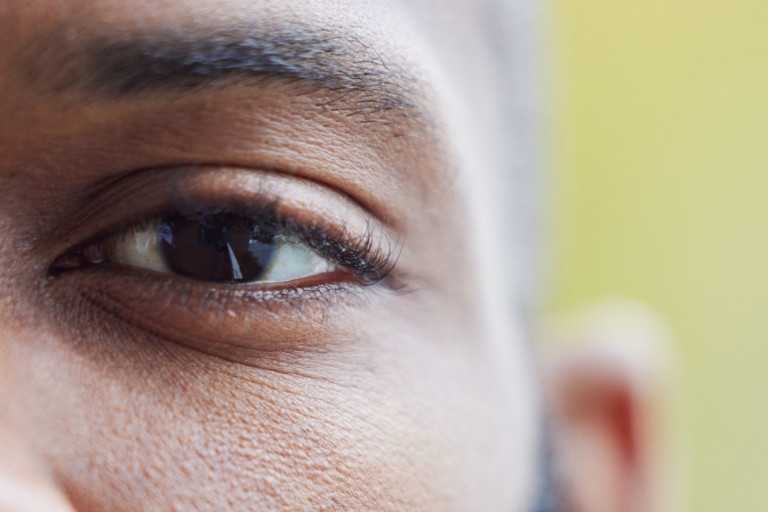
This approach aligns with the diagnostic method attributed to the renowned physician Bian Que, who emphasized four steps: observation, listening, questioning, and pulse reading. Observation came first. Importantly, it was not limited to isolated features, but extended to expression, posture, and overall presence — factors believed to reflect both health and personal fortune.
2. Complexion
Complexion refers to the color and condition of the face. A rosy, luminous complexion was traditionally associated with strong internal organs, mental clarity, and favorable life prospects. In contrast, a dull or grayish appearance was seen as a warning sign — not only of declining health, but also of stagnation or misfortune.
In this way, complexion was thought to offer early indications of whether a person’s life path would lead to prosperity or difficulty.
3. Bone structure
Bone structure has long played a role in Chinese physiognomy and folklore. Stories and historical dramas often include lines such as: “This child has remarkable bones — he is destined for greatness.” Compared with facial features, bone structure was considered more difficult to assess, giving rise to practices such as bone reading, now regarded as part of traditional metaphysical lore.
According to these ideas, full, rounded, and well-balanced bones were associated with a life of relative ease, stability, and material success. Conversely, sunken, uneven, or deficient bones were believed to indicate a future marked by poverty, hardship, and repeated setbacks. Differences in bone structure were also thought to vary between individuals and between men and women, further influencing their perceived life prospects.
Whether or not such interpretations hold any objective truth, they reflect how deeply physical form was once linked to destiny in traditional society.
4. Flesh
Flesh was believed to work in harmony with bone. Strong bones were thought to support healthy flesh, while abundant, well-nourished flesh was believed to protect and strengthen the bones in return. In this framework, flesh served as another indicator of whether a person possessed the foundation for a stable and prosperous life.
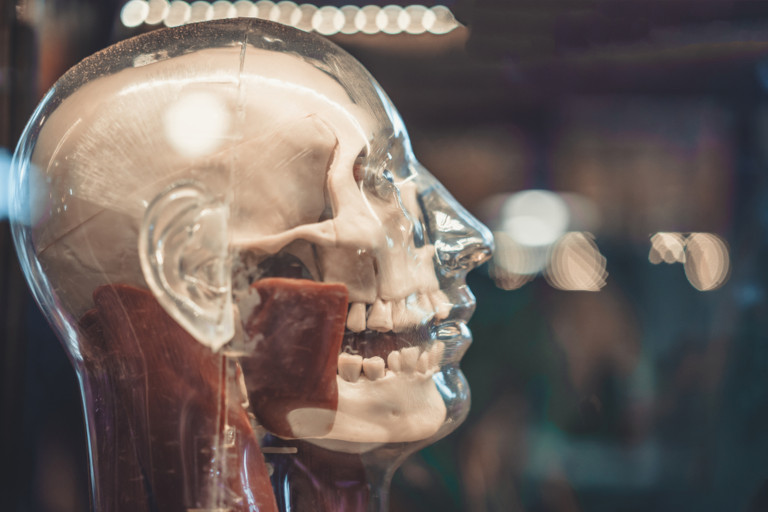
A body that appeared balanced — neither weak nor excessive — was traditionally taken as a sign of good fortune and resilience, both physically and materially.
Judging a horse by its four hooves
The second half of the proverb turns from people to horses. Here, the “four hooves” do not simply mean the horse’s feet, but four specific parts of the hoof: the edge, crown, sole, and wall. Horse experts believed that if these areas were well-formed and sturdy, the animal was likely to be strong and reliable.
Experienced horse judges also examined the teeth and the three bones of the hoof to assess athletic ability. Horses with shorter toe bones were thought to lack speed and endurance. In this way, determining whether a horse was a fine steed followed observable patterns rather than guesswork.
Observation as wisdom
Whether applied to people or horses, this old saying reflects a broader principle: careful observation matters. While modern society relies on different tools and standards, the underlying message remains relevant. True understanding — of talent, health, or character — requires patience, attention, and the ability to look beyond the surface.
Translated by Joseph Wu
Follow us on X, Facebook, or Pinterest
