

As a psychiatrist specializing in addiction treatment, I have spent much of my life helping people break free from the grip of drugs. Twenty-five years ago, I founded an introductory recovery program in Pittsburgh. People often ask me if I use some special technique. I tell them the secret of our success lies in a straightforward conviction: We firmly believe that every person carries an innate goodness within them like a diamond. This quality is often buried deep, especially in those who have lived for decades in destructive ways or who, through drinking and drug use, have caused immense harm to others.
I first met Avi while speaking in Tel Aviv to a group of ex-prisoners enrolled in a rehabilitation program. As soon as I began talking about self-esteem, Avi stood up and interrupted me. “How can you talk to us about that?” he challenged. “I’ve been a thief since I was eight. Now that I’m out of prison, I can’t get a job. My own family doesn’t even want to see me.” I didn’t let him continue. Instead, I asked if he’d walked past any jewelry shop lately. “Think about those diamonds in the display cases,” I said. “Picture what they looked like when they were first pulled from the dark earth — rough, dull, just chunks of rock. It took skilled hands to pick them out and carefully polish them until their true beauty shone through.”

To find a diamond in each person
“That’s exactly what we aim to do: to find the diamonds inside each of you and help bring out the beauty of your spirit. We keep working, polishing, until it sparkles like those jewels in the shop.” I looked over at Avi, slumped in his seat, dirty and unkempt. “You’re like a stone covered in dust,” I told him. “Our job is to find the diamond in your heart and polish it until it shines.”
Two years later, Avi graduated from the treatment center and secured a position with a construction company. One day, the program director, Annette, received a call. An elderly woman had passed away, and her family wanted to donate her furniture to the center. Annette asked Avi to help pick it up, and he gladly agreed.
When Avi arrived, he realized the furniture was in terrible condition, hardly worth keeping. However, to avoid embarrassing the family, he loaded it up and brought it back anyway. As he heaved a battered sofa up the stairs, an envelope fell out from under the cushions. Avi picked it up and found it contained $1,700. He thought back to his days as an addict when he would have robbed someone’s home for as little as $25. But now, instead of pocketing the money, he brought the envelope straight to Annette. Together, they called the family immediately.
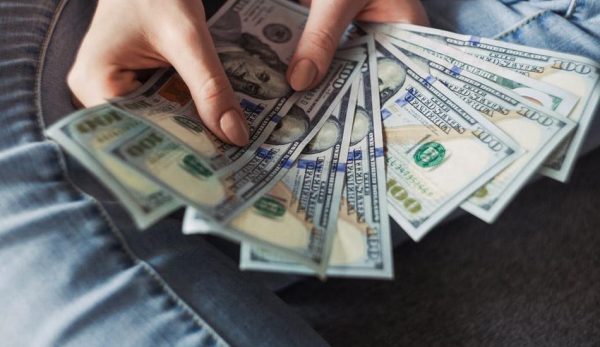
So moved by Avi’s honesty, the family decided to donate the money to the program. It was used to purchase more beds, thereby opening up space for more people to embark on their journeys of healing.
Avi later wrote to me about it. “When I was using drugs, I would get a brief rush, but afterward, I felt worse than before,” he said. “Now, it’s been three months since I found that money, and every time I think about how it helped someone else, I feel this lasting excitement all through my body. It’s nothing like that short-lived high. This is real.”
A year later, I returned to that very center. I could see for myself how Avi’s one act of goodness had rippled outward, transforming every room, every bed. Over the doorway to one of the houses hung a sign that read: “Here, we polish diamonds.”
Translated by Katy Liu
Follow us on X, Facebook, or Pinterest
