
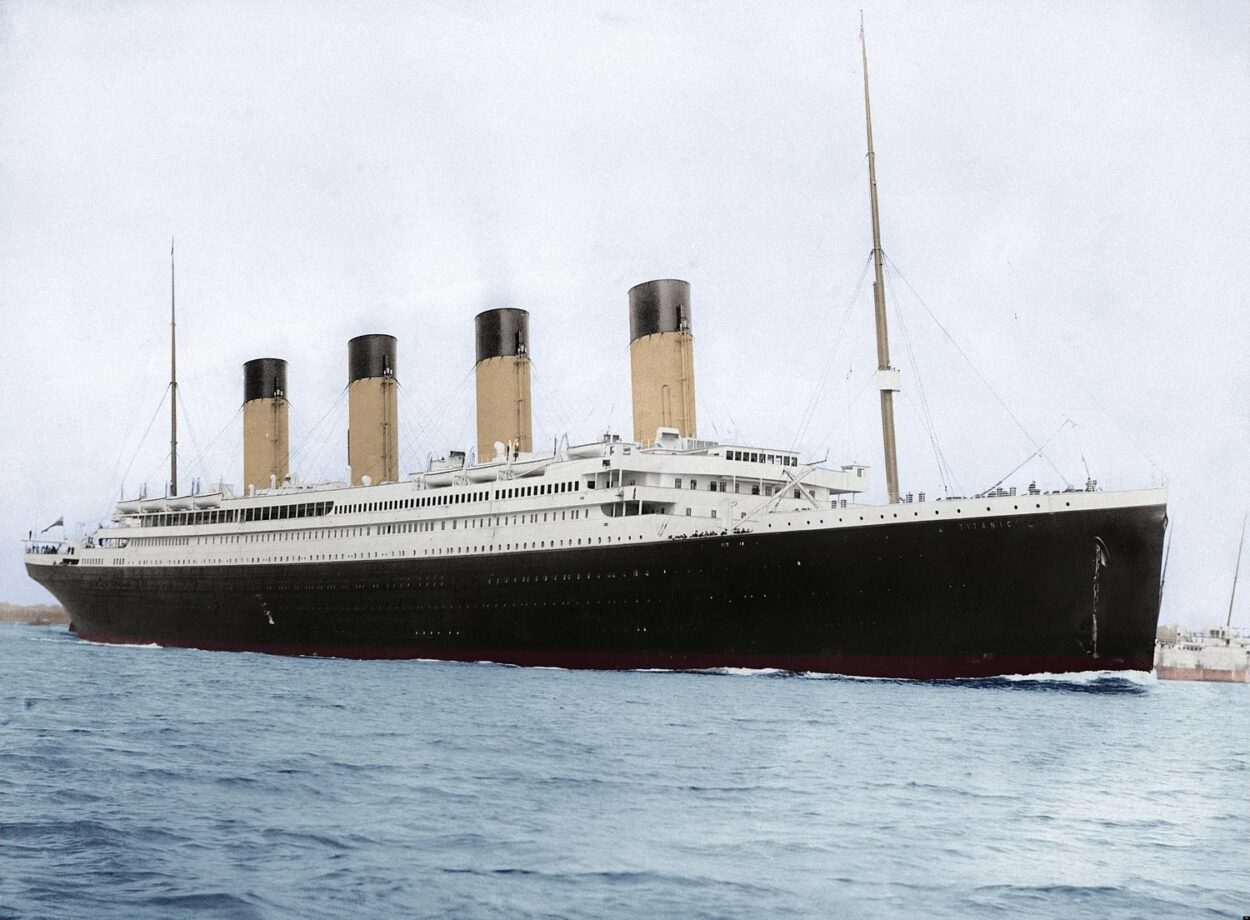
The world is vast and full of wonders. Some people can embark on a journey at a moment’s notice, while others can cancel their plans with a simple statement of “I’m not going.” In an instant, fate can be drastically altered, completely rewriting lives, such as with the Titanic.
Back then, the ticket prices for the Titanic were astronomical! The lowest class, third-class tickets, were priced at about $1,040, while the most luxurious first-class tickets exceeded $110,000. This was in 1912; who could afford such fares? Only top celebrities and billionaires.
As we all know, the Titanic ultimately sank in the Atlantic Ocean, claiming a total of 1,517 lives. Strangely, there were still eight passengers who miraculously brushed past “death.” They were all super-rich individuals who had purchased first-class tickets for the Titanic, and their last-minute reasons for not boarding were quite varied and rather “capricious.”
Lost ticket
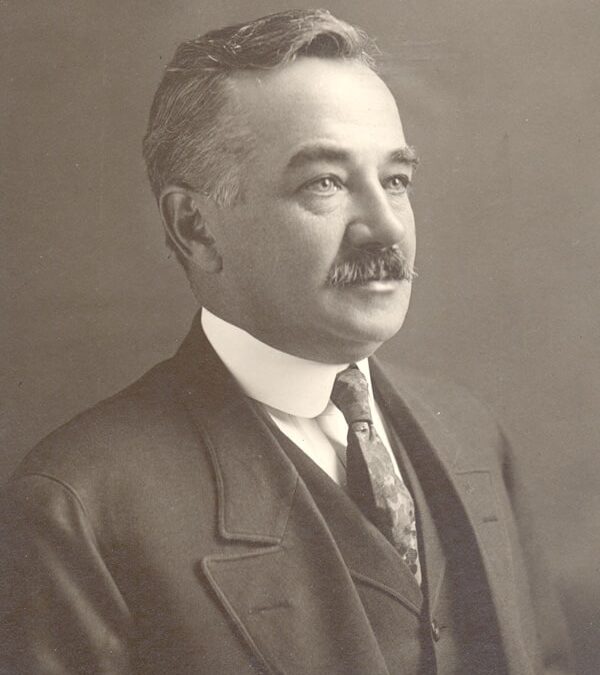
Milton Hershey was a leader in the American candy industry. He and his wife had booked a first-class cabin early on, but just before boarding, they unexpectedly discovered that their tickets were missing. Despite their repeated explanations and pleas, the ship’s staff firmly rejected their request to board. This led to their miraculous escape from the disaster.
Decided not to go
Guglielmo Marconi, the “father of radio” and pioneer of wireless communication, was highly regarded at the time. Although he had planned to travel on the Titanic and bought a first-class ticket, the scientist, who cherished tranquility and loved contemplation, ultimately chose to avoid the world’s disturbances, thus escaping death.
Ankle injury
The Frick couple, giants of the American steel industry, had initially planned a lavish trip to enjoy quality time. On the eve of boarding, however, Mrs. Frick accidentally twisted her ankle and, on doctors’ advice, they cancelled their travels, thereby avoiding the catastrophe.
No particular reason
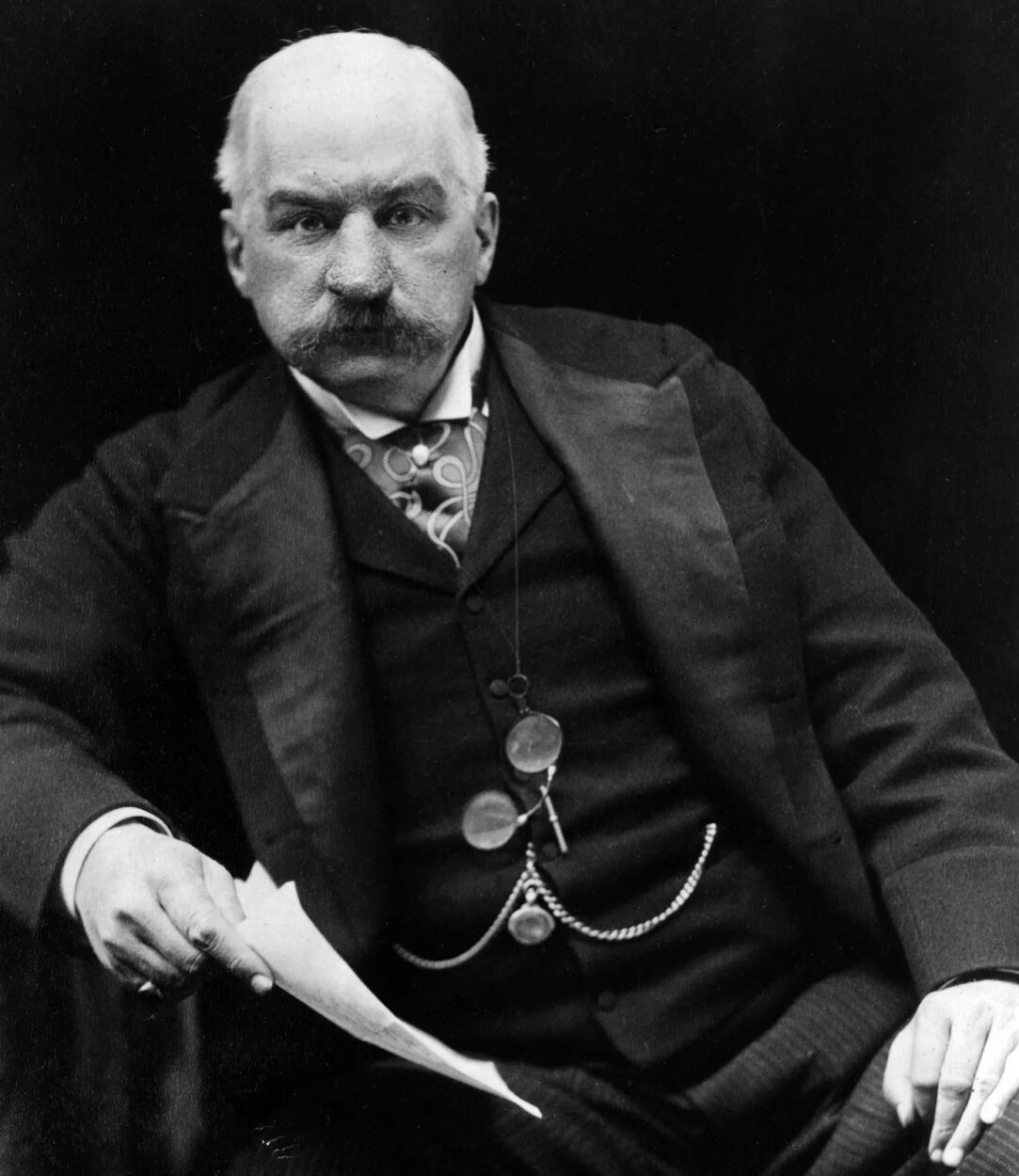
J.P. Morgan, a significant figure in finance, had already reserved a private suite in first class. Yet at the moment the ship was about to set sail, he unexpectedly canceled his trip and decided to prolong his vacation in France, thus becoming one of the lucky ones.
These eight individuals who “missed” their journey were all top billionaires with outstanding achievements. More importantly, the decisions they made at that crucial moment saved their lives. This existence is filled with the unknown, and these people, who bought first-class tickets for the Titanic but did not board at the last minute, are a vivid example of “a blessing in disguise.” What seemed like a “loss” of an opportunity allowed them to escape the disaster of the sinking ship and realize a lucky turnaround. As the ancient saying goes: “Fortune and misfortune are intertwined.”
Friendship changed the voyage
Draisse and Alfred were two companions. Draisse, a famous novelist, decided just days before boarding to make a brief stop in Europe, which saved his life. After encountering an old friend, Alfred discovered that he was interested in exploring French culture and learning about its regional characteristics. He then took on the role of a guide to show his friend around, thereby altering the course of fate.
Translated by Joseph Wu and edited by Laura Cozzolino
Follow us on X, Facebook, or Pinterest
