
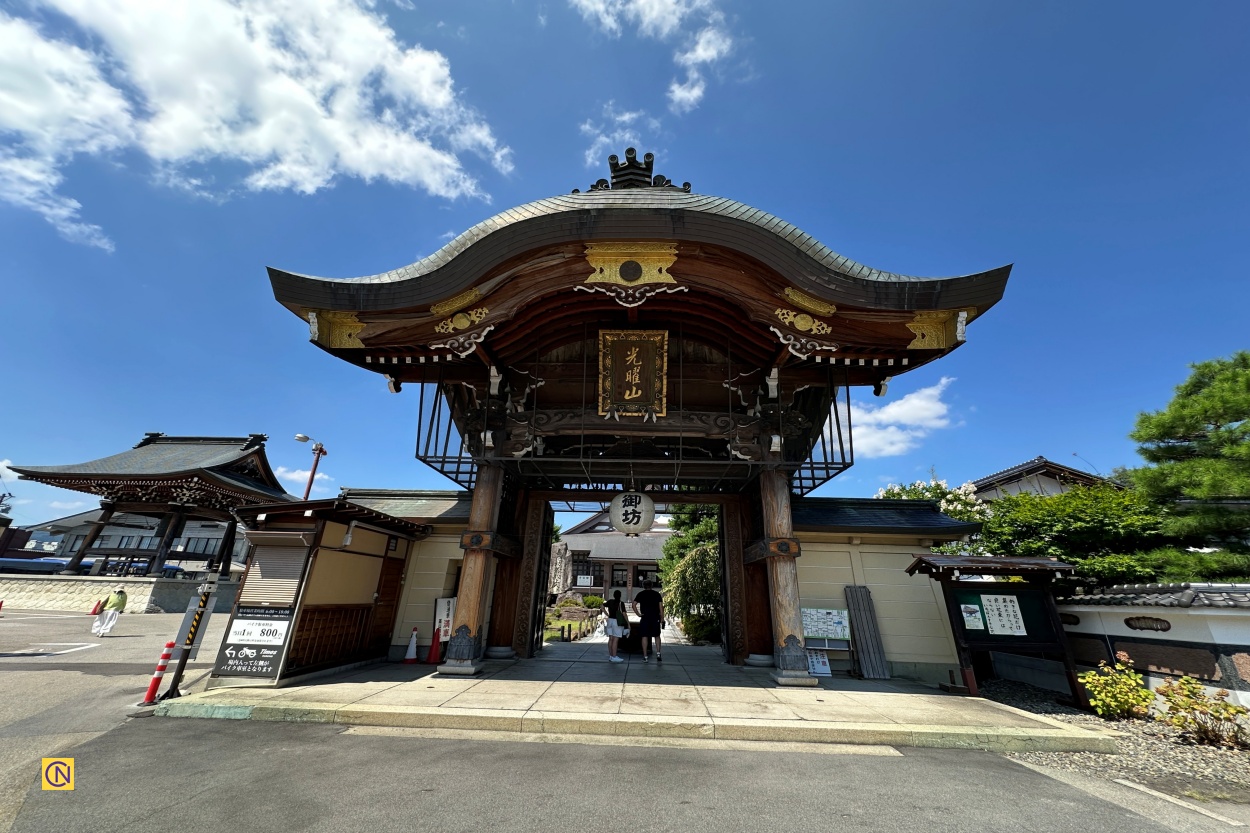
Nestled deep in the mountainous Hida region of Gifu Prefecture, central Japan, lies Takayama — a city often affectionately referred to as “Little Kyoto.” With its well-preserved traditional architecture and relaxed atmosphere, Takayama’s Old Town is like a living museum, where the echoes of the Edo period (1603-1868) resonate through its narrow streets, traditional wooden merchant houses, and sake breweries. Stepping into Takayama’s Old Town is like traversing a portal to a bygone era, offering a serene escape from the hustle and bustle of modern life and an immersive glimpse into Japan’s rich cultural heritage. For travelers seeking authenticity and charm, this picturesque enclave promises an unforgettable experience.
The Historical Legacy of Takayama
Takayama’s Old Town, known as Sanmachi Suji, which is composed of three parallel alleys, flourished during the Edo period (1603-1868) under the Tokugawa shogunate. Strategically located on routes linking the mountains to the plains, the town prospered as a merchant hub, with sake brewing, carpentry, and woodworking driving its economy. Its skilled carpenters were highly sought after for constructing temples and palaces in Kyoto, which further enhanced the town’s reputation.
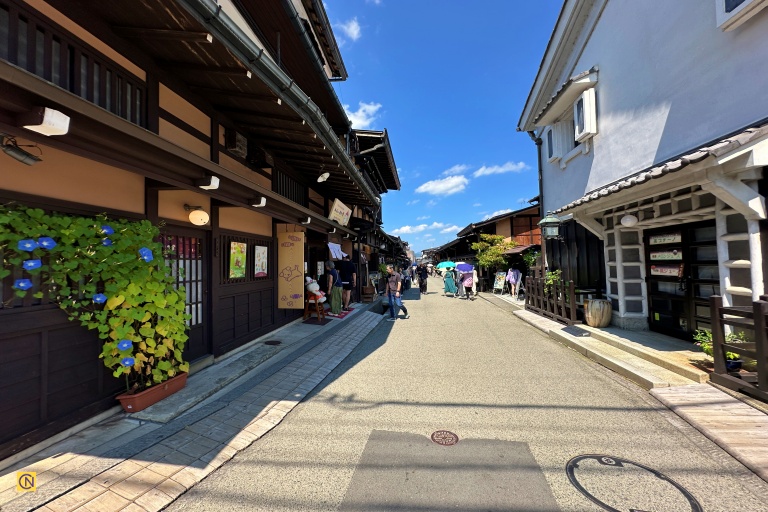
Recognizing Takayama’s abundant timber resources and strategic position, the shogunate placed the region under direct control, ensuring stability and fostering a distinct urban culture. Many of the wooden merchant houses and workshops that line Sanmachi Suji today date back to the 17th through 19th centuries. Preserved through both the town’s relative isolation and the dedication of local residents, this historic district continues to reflect the prosperity and craftsmanship of Edo-period Takayama.
Features of Takayama’s Old Town
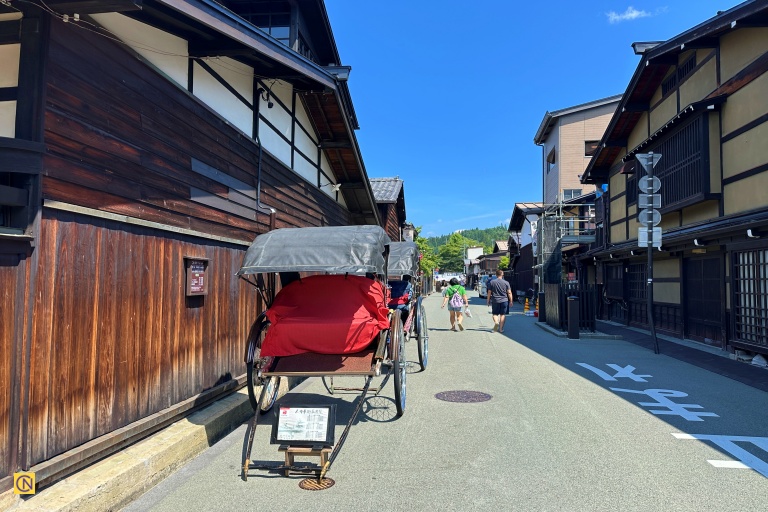
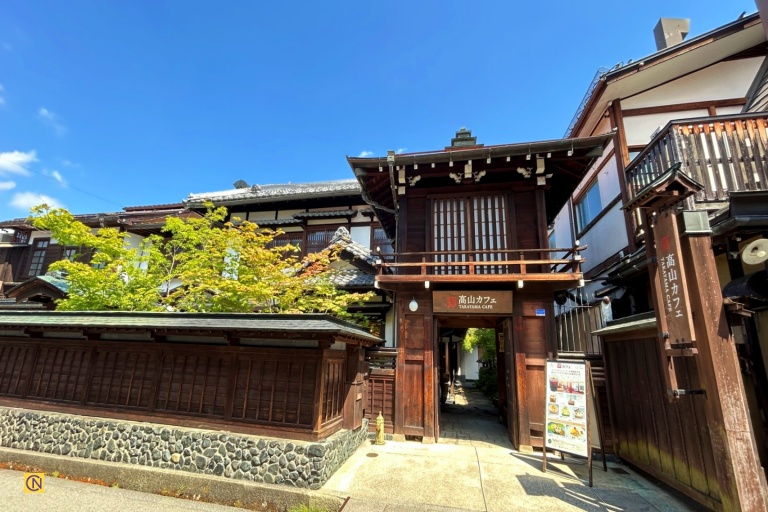
Walking through Sanmachi Suji in Takayama feels like stepping back into the Edo period. The narrow streets are lined with machiya merchant houses, their latticed windows, tiled roofs, and dark timber walls exuding a quiet elegance. Stone-paved lanes and clear canals, fed by mountain springs, weave through the district, while the Miyagawa River flows gently alongside.
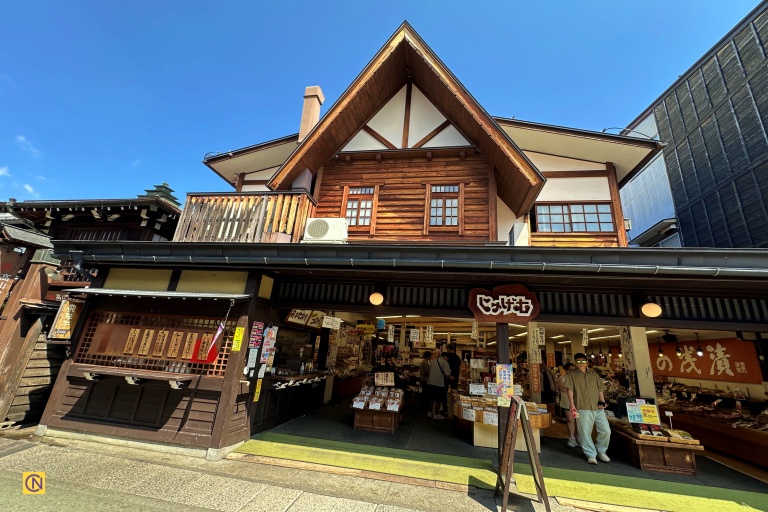
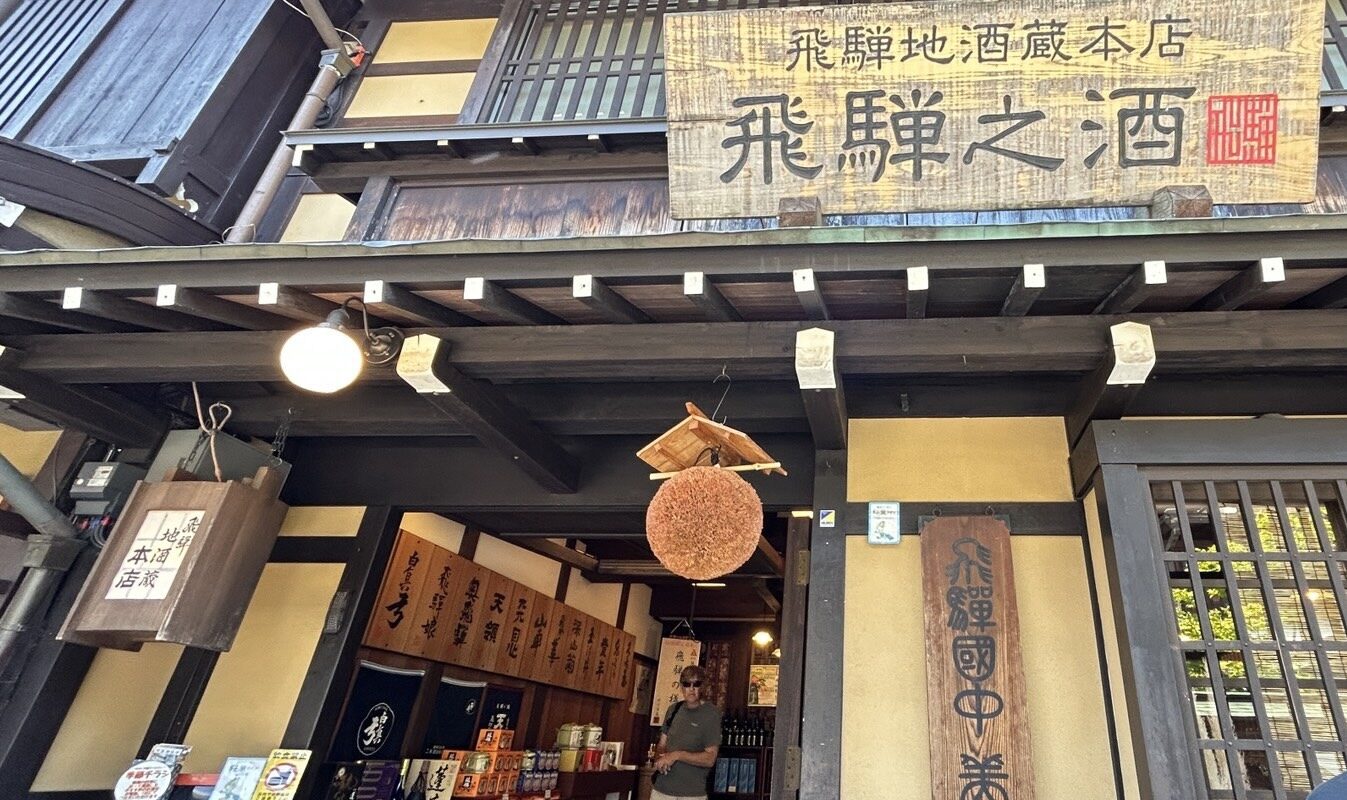
Many of the old storefronts continue to showcase traditional crafts, such as lacquerware, ceramics, and textiles. At the same time, noren-draped entrances mark the sake breweries that have upheld centuries of brewing heritage. Visitors can sample local sake, browse the lively morning markets at Miyagawa River and Jinya-mae Square, or step inside the historic Takayama Jinya, a former government office from the Edo era. And of course, no visit is complete without savoring Hida beef, a regional delicacy served as sushi, skewers, or in hot pots.
The Beauty and Spirit of Takayama
The true charm of Takayama lies in the harmony of its architecture, traditions, and natural setting. Each season brings a new atmosphere: cherry blossoms in spring soften the streets with pink hues, fiery maples in autumn set the town aglow, and winter transforms the rooftops into a snow-draped wonderland. The interplay of timber-framed houses, soft morning light, and the subtle scent of cedar creates a poetic mood that draws photographers and dreamers alike.
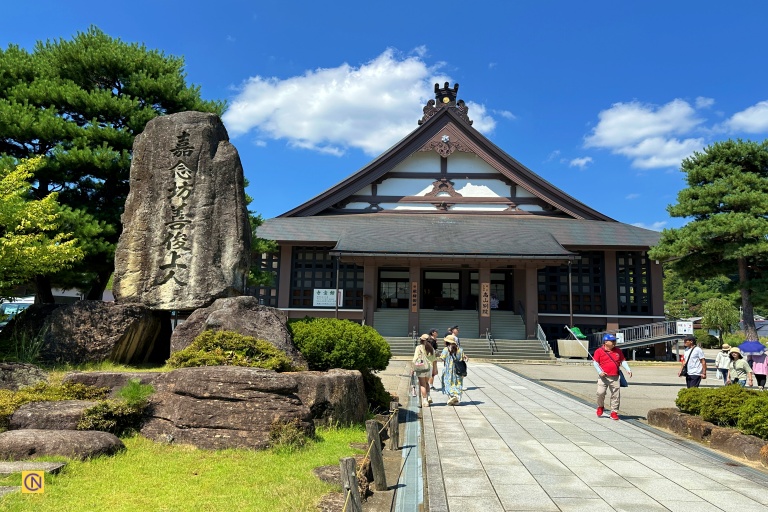
Beyond the main Sanmachi Suji, hidden alleys lead to cozy cafés, small museums, and welcoming ryokans (traditional Japanese inns) that preserve the town’s authenticity. Takayama Betsuin Shōren-ji Temple, often a starting point for visitors exploring the city, stands out for its refined shoin-style architecture and Muromachi-era roof, gracefully curved and said to have been built from a single massive cedar tree. Originally relocated from Shirakawa-go, the temple reflects the same spirit of preservation that defines the town itself. For those seeking a more immersive experience, workshops in carpentry, pottery, or sake brewing invite visitors to connect directly with Takayama’s enduring traditions.
Therefore, Takayama’s Old Town is not just preserved history, but a living story, where centuries-old traditions continue to shape daily life. For visitors, each quiet street offers not only a glimpse of the past but also a chance to feel the enduring spirit of Japan.
Follow us on X, Facebook, or Pinterest
