
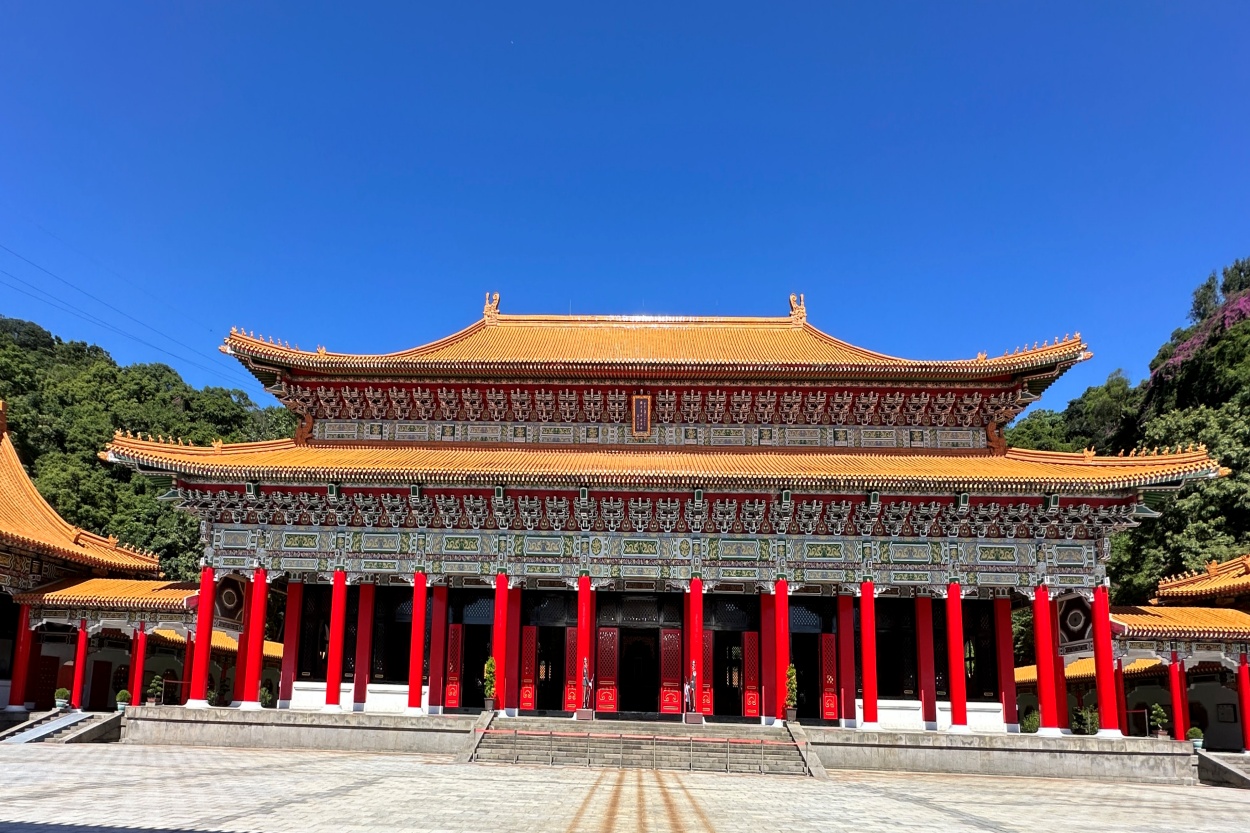
Nestled along Beian Road near the Keelung River and backed by the lush slopes of Yuanshan, Taipei’s National Revolutionary Martyrs’ Shrine (國民革命忠烈祠) stands as one of Taiwan’s most solemn and dignified landmarks. It is not only a place of remembrance but also an architectural masterpiece that captures the spirit of traditional Chinese design. Built to commemorate the brave men and women who sacrificed their lives for the nation, the shrine continues to be a site of national pride, reflection, and ceremonial grandeur.
History of the Martyrs’ Shrine
The National Revolutionary Martyrs’ Shrine was constructed in 1969, during the presidency of Chiang Kai-shek. It was established to honor those who died in various wars and conflicts that shaped the Republic of China (ROC). The shrine enshrines the spirit tablets of approximately 390,000 military personnel who lost their lives during key historical periods, including the Xinhai Revolution (1911), the Northern Expedition, the Second Sino-Japanese War, and the Chinese Civil War.
Interestingly, the shrine’s location once served a very different purpose. It was originally the site of the Taihoku Gokoku Shrine, a Shinto shrine built by the Japanese in 1940 during Taiwan’s period under Japanese rule. After World War II and the end of Japanese occupation in 1945, the ROC government repurposed the site, replacing the symbols of Japanese imperial worship with a shrine honoring Chinese revolutionary martyrs. This transformation reflects Taiwan’s shifting historical and cultural identity during the mid-20th century.
Objectives of the Martyrs’ Shrine
The primary mission of the National Revolutionary Martyrs’ Shrine is to commemorate and honor those who sacrificed their lives for the nation’s freedom, stability, and development. It serves as a moral and cultural reminder of loyalty, courage, and devotion to the country.
Each year, the shrine plays an important role during national ceremonies such as Martyrs’ Day (March 29) and Armed Forces Day (September 3). High-ranking officials, including Taiwan’s president and military leaders, visit the shrine to pay tribute. The solemn rituals performed here symbolize the continuity of respect for those who contributed to the establishment and defense of the Republic of China.
Beyond military recognition, the shrine also functions as an educational site. Schools, civic groups, and visitors come to learn about the values of patriotism and national unity that the shrine embodies.
The buildings of the Martyrs’ Shrine
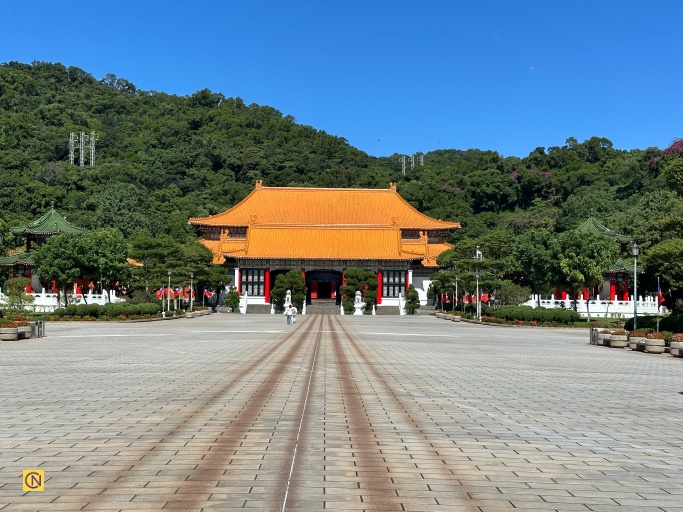
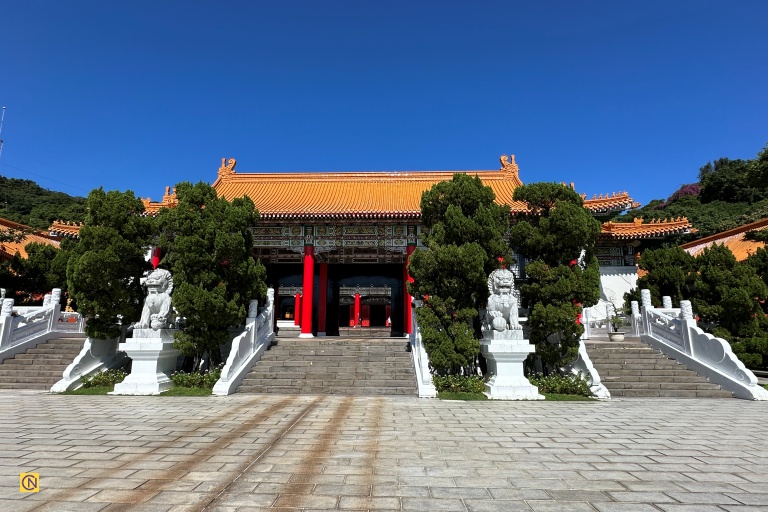
The shrine’s architecture draws inspiration from Beijing’s Hall of Supreme Harmony (Taihe Dian) in the Forbidden City, showcasing the grandeur of traditional Chinese palace design. The main hall, with its sweeping golden-tiled roof and red pillars, stands majestically at the end of a broad ceremonial courtyard.
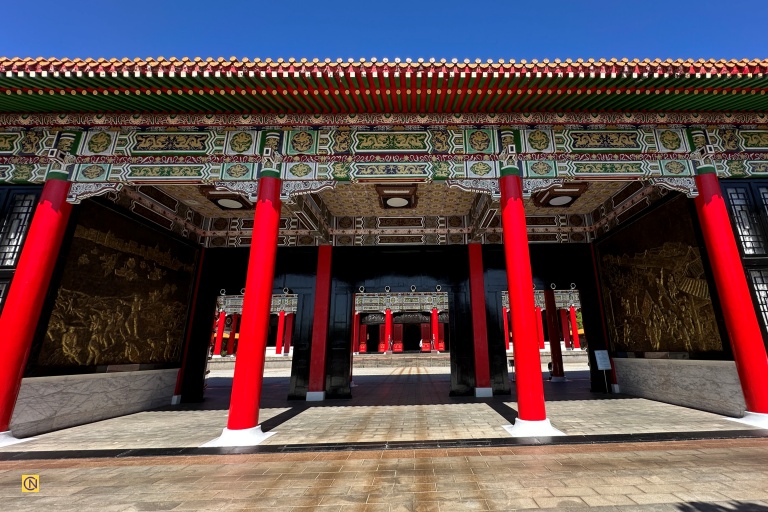
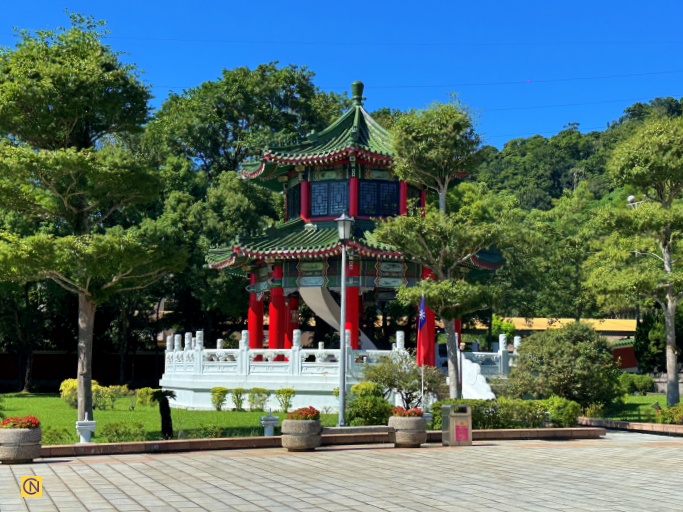
Flanking the central path are memorial tablets and smaller shrines dedicated to specific conflicts. In the main hall, the central altar holds the spirit tablets of the martyrs. The layout, symmetry, and color palette — featuring red, gold, and white — symbolize righteousness, dignity, and purity of sacrifice. On both sides of the Martyrs’ Shrine, there are two traditional Chinese-style pavilions. These symmetrical pavilions flank the central courtyard, adding balance to the overall architectural layout.
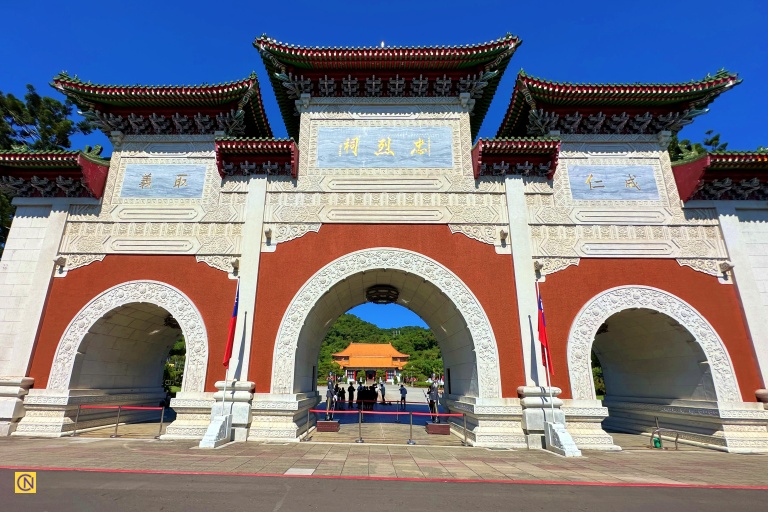
The complex spans approximately 52,000 square meters (559,700 square feet), with its buildings covering about 5,300 square meters (57,000 square feet). The main entrance features a majestic triple-arched gateway. Above the central arch are three gilded Chinese characters, “忠烈祠” (Martyrs’ Shrine), personally inscribed by Chiang Kai-shek in October 1968. The arches on either side bear the inscriptions “Chéng Rén” (To Sacrifice Oneself for Virtue) and “Qǔ Yì” (To Uphold Righteousness). On the reverse side, the central arch displays the inscription “Wàn Gǔ Liú Fāng” (Eternal Glory), flanked by “Qiān Qiū” (A Thousand Autumns) and “Zhōng Yì” (Loyalty and Righteousness).
Notable features of the Martyrs’ Shrine
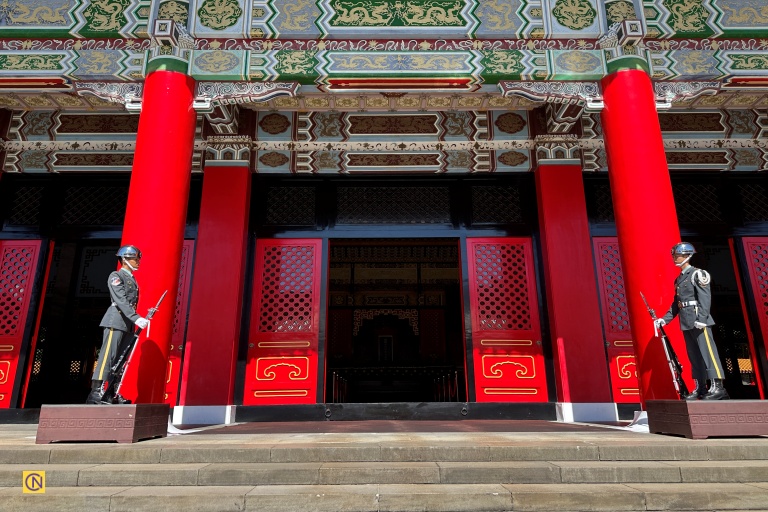
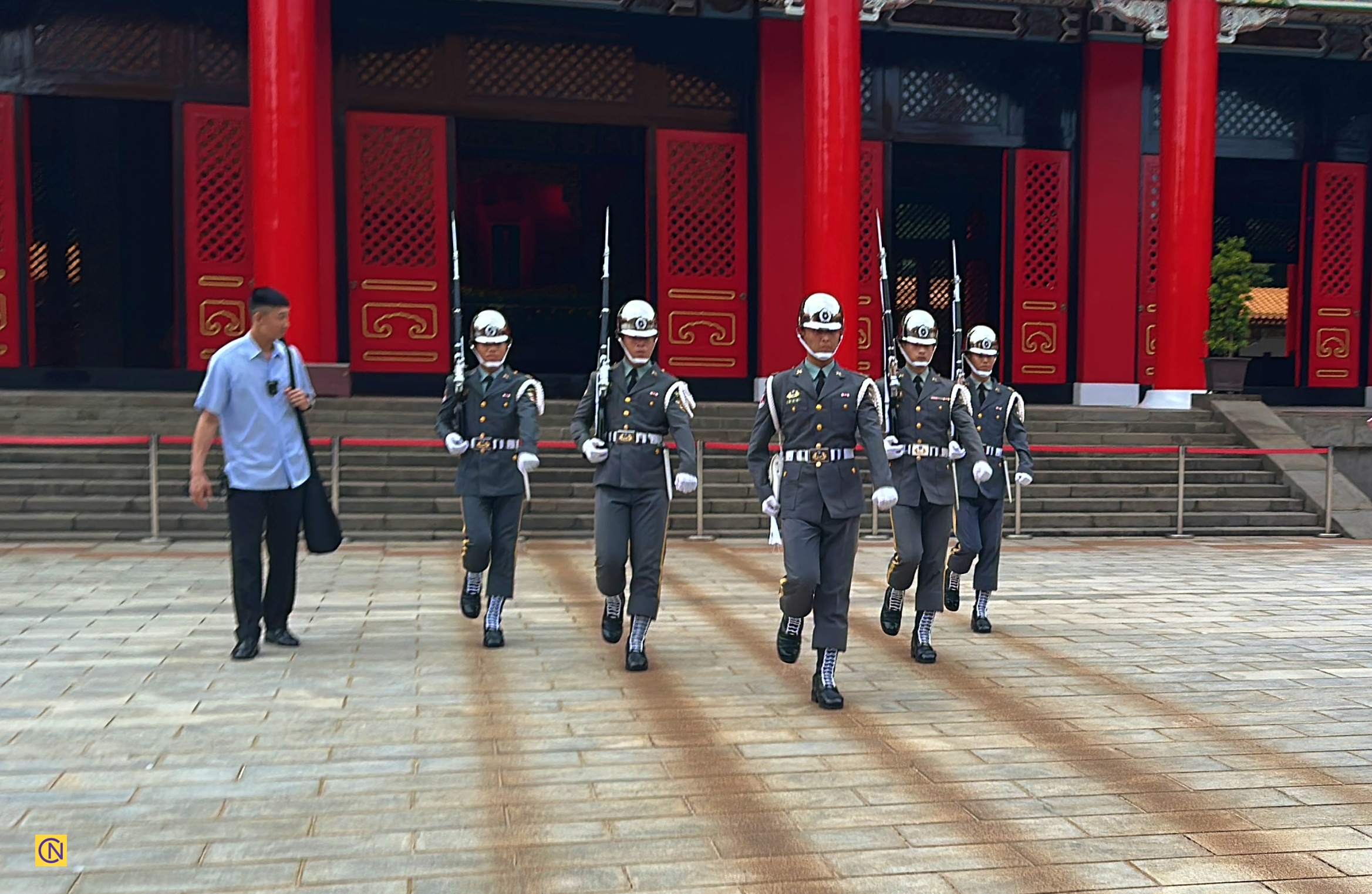
One of the most popular attractions at the National Revolutionary Martyrs’ Shrine is the Changing of the Guard Ceremony. Performed hourly from morning until late afternoon, this precisely choreographed ritual features impeccably trained soldiers from Taiwan’s armed forces — the Army, Navy, Air Force, and Marines — who rotate on a scheduled basis.
The guards’ disciplined movements, synchronized steps, and unwavering composure captivate visitors and photographers from around the world. The ceremony not only demonstrates the soldiers’ professionalism but also reflects Taiwan’s continued respect for those who served the nation.
The shrine’s surroundings also offer peaceful walking paths and picturesque views of Yuanshan and Keelung River, making it a favorite stop for both history enthusiasts and casual tourists exploring Taipei.
A Symbol of patriotism and cultural heritage
Today, the National Revolutionary Martyrs’ Shrine remains one of Taipei’s most significant cultural and historical sites. It represents not only the memory of those who fell in battle but also Taiwan’s enduring values of courage, sacrifice, and resilience.
Whether one comes to witness the ceremonial guards, admire the majestic architecture, or pay quiet tribute to the nation’s heroes, the shrine stands as a timeless reminder of the cost of freedom and the importance of remembrance.
Follow us on X, Facebook, or Pinterest
