
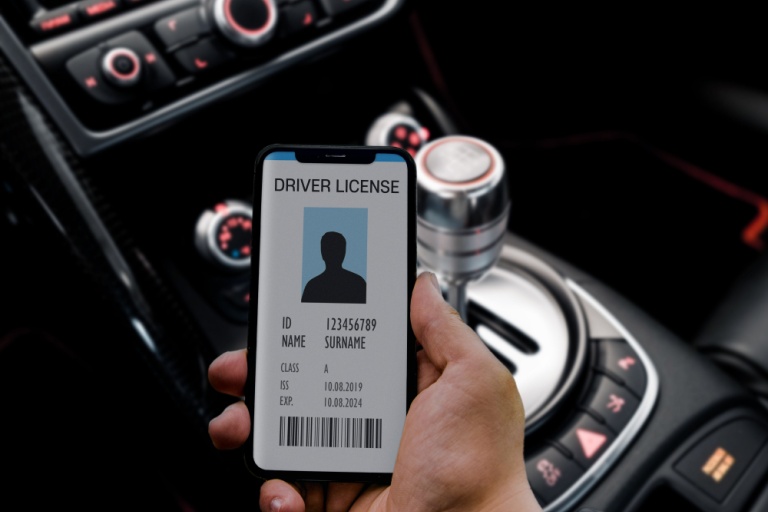
Smartphone cameras have made it easier than ever to capture memories, store information, and organize daily life. A quick photo can replace handwritten notes, scanned documents, or even carrying essential papers. However, this convenience comes with hidden risks. Experts caution that storing certain sensitive photos on your phone can expose you to identity theft, financial loss, and serious privacy breaches — especially if your device is ever lost, stolen, or hacked, or if it’s synced to an unsecured cloud account.
A technology blogger, Xiao Jun, recently highlighted five categories of photos that should never be stored in a phone’s photo gallery. Although the advice has been widely shared online, its principles are universal. Once someone gains access to your device, these images contain all the information needed to misuse your identity or finances, often in ways difficult to undo. To understand why these risks are so severe, let’s take a closer look at each type of photo and how it could be exploited.
ID cards and government Identification
Many people photograph their driver’s license, passport, or other forms of government-issued ID for convenience. It seems practical — having a quick digital copy can speed up form completion or identity verification. Yet this convenience carries significant danger.
A clear photo of an ID card or passport contains all the essential personal details a criminal needs: your full name, date of birth, home address, and identification number. In the wrong hands, this information can be used to open credit lines, apply for loans, create counterfeit IDs, or access accounts and services in your name. Once this happens, the consequences can be long-lasting, affecting your finances, credit history, and reputation.
Birth certificates, social security numbers, and personal records
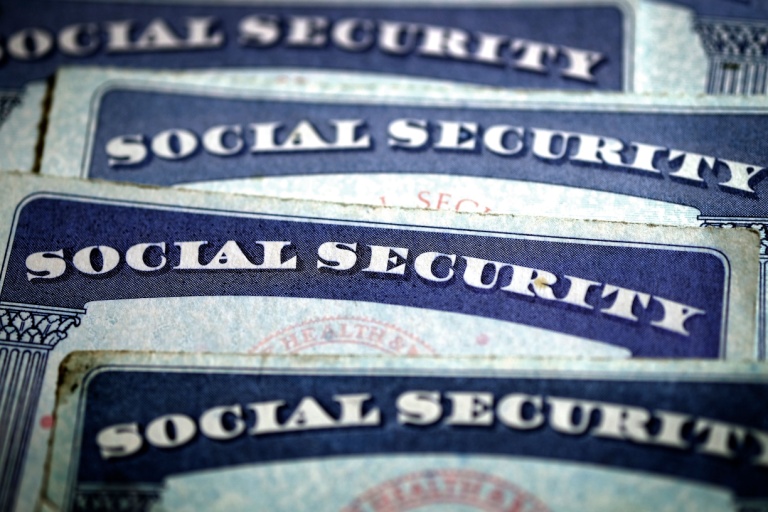
Another common habit is photographing personal records — birth certificates, Social Security cards, marriage certificates, and other legal documents. While it may seem convenient to have them on hand digitally, these files contain sensitive information that can put you and your family at risk.
These documents reveal full legal names, dates and places of birth, family relationships, and unique identifying numbers. If a photo is leaked, scammers can commit identity theft, file fraudulent tax returns, open bank accounts or credit cards in your name, or even create synthetic identities using your family’s data. Children’s information is particularly vulnerable because they often have no credit history, making them prime targets for fraud. Storing these images on your phone — even temporarily — exposes you to a level of risk that is easily preventable.
Bank cards and financial information
Taking photos of bank cards, checks, or account numbers for convenience is another dangerous practice. A photograph of a card can reveal the whole card number, expiration date, cardholder name, and sometimes the security code on the back. If your phone falls into the wrong hands, thieves can use this information to drain accounts or make unauthorized purchases.
The risk is magnified when your phone is linked to your mobile number, as criminals could intercept verification codes and bypass security measures. Financial information should never be stored in a standard photo gallery. Secure password managers or encrypted digital wallets are far safer alternatives.
Vehicle registration and insurance cards
Some people photograph their vehicle registration or insurance cards as a backup in case they forget the physical copies. These documents contain enough personal data to cause serious problems if compromised. Someone with access to these images could steal your identity, create fraudulent vehicle documents, commit insurance fraud, or target you personally. Treat these documents with the same level of caution as bank cards and IDs — store them only in encrypted, secure apps.

Passwords and login
Perhaps the most dangerous habit is photographing passwords, taking screenshots of login credentials, or storing images of handwritten notes with account information. If someone gains access to your phone, they can instantly access email accounts, social media, banking apps, cloud storage, digital wallets, and work-related systems. Once email accounts are compromised, criminals can reset nearly all other passwords, effectively locking you out of your digital life. Using a reputable password manager is the safest way to keep login credentials secure.
A reminder to stay vigilant
Xiao Jun’s advice sparked widespread discussion online, and many people thanked him for the reminder. Users emphasized that the real danger is not merely losing a phone, but having sensitive information so easily accessible. Others noted that, in addition to financial and identification photos, personal images should also be treated with caution to avoid devastating leaks.
The core message is clear: Phones are convenient, but they are not secure enough to store your most sensitive information. Protect your identity, your finances, and your family by keeping these high-risk photos off your device. A few seconds of inconvenience today can prevent years of costly and disruptive problems in the future.
Translated by Joseph Wu and edited by Tatiana Denning
Follow us on X, Facebook, or Pinterest
