
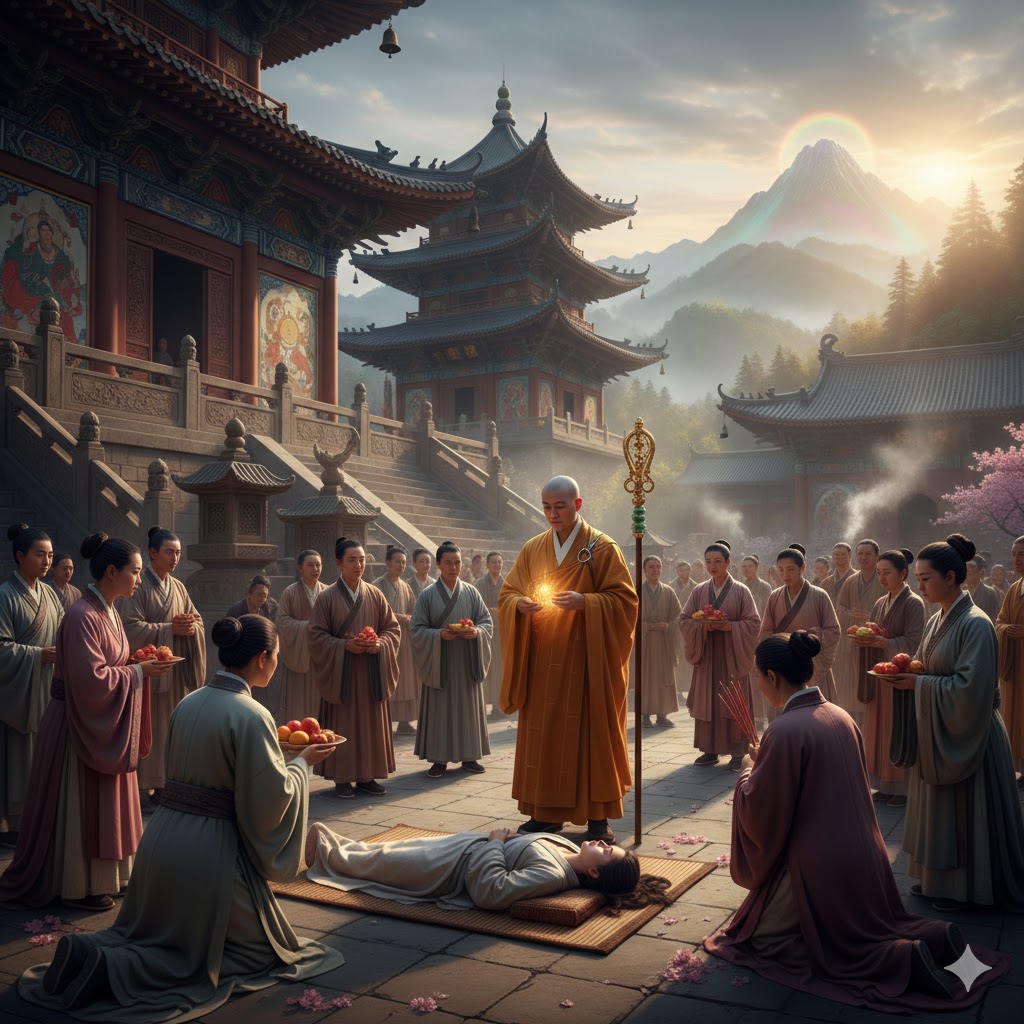
Throughout Chinese history, healing has never been merely a matter of science — it has often been intertwined with the mystical, the spiritual, and the inexplicable. During the Tang Dynasty, a period marked by religious fervor and cosmological beliefs, tales of divine healers and miraculous recoveries were not only accepted, but also revered. One such story is that of Yang Yuanliang, a young man who, according to legend, was granted the power to cure any illness — not by training or medicine, but through a dream sent from the heavens.
The story of Yang and others like him offers a fascinating glimpse into how spirituality and healing coexisted in ancient China. These tales, passed down through generations, reflect a culture in which medicine, morality, and the metaphysical were deeply intertwined.
How Yang Yuanliang became a divine healer
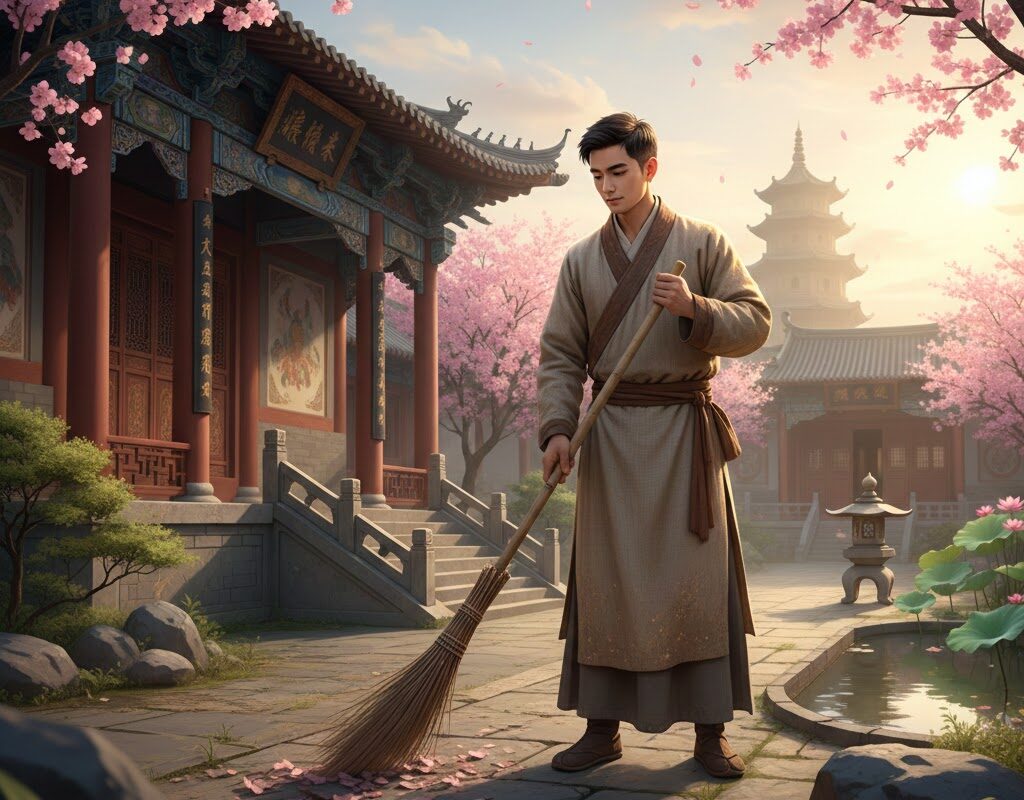
It all began during the Wu Zhou Dynasty, under the reign of Empress Wu Zetian. Yang Yuanliang, a man in his twenties from Xiangzhou (in today’s Hubei Province), worked humbly as a caretaker at the Wenshan Temple in Qianzhou — modern-day Ganzhou, Jiangxi Province. He was known for his diligence and sincerity in his duties.
One afternoon, after finishing his chores, Yang fell asleep in the temple’s grand hall. In his dream, he encountered Yuanshi Tianzun, one of the highest deities in Taoism. The celestial figure instructed Yang to restore the aging temple, promising to grant him the power to heal all illnesses and raise funds for the reconstruction.
Upon waking, Yang dismissed it as a strange dream. But curiosity soon got the better of him. He sought out a few ill patients and attempted to treat them — astonishingly, every single one recovered. His faith in the divine message solidified.
Healing the incurable: From tumors to divine surgery
Word of Yang’s newfound healing powers spread quickly. One of the most dramatic cases involved a village head from Gan County who had a painful tumor the size of a fist on his back. After failing to find relief from traditional doctors, he turned to Yang. Using a small, sharp blade, Yang carefully removed the tumor and applied a herbal dressing. Within days, the wound healed completely — without a trace of a scar.
As his reputation grew, so did the flow of patients seeking help. Yang explained to each person that a god had granted him the healing gift to restore the temple. Patients could pay what they could afford, and many gave generously — not just out of gratitude, but perhaps in reverence to the divine origins of his practice.
On some days, Yang reportedly received tens of thousands of coins in donations. These funds were used to rebuild the temple, and once the work was complete, his supernatural healing abilities gradually faded — as if his divine mission had come to an end.
Another tale of resurrection and the healing ruler
Yang’s story wasn’t the only one of its kind. During the same Wu Zhou era, a man named Zhao Xuanjing from Luozhou also rose to fame — not for his medical background, but for returning from the dead.
According to records, Zhao had died from illness but mysteriously revived five days later. Upon awakening, he claimed that a monk in the afterlife had given him a one-foot-long wooden ruler and instructed him: “When you see someone ill, simply touch them with this ruler, and they will be healed.”
Back in the world of the living, Zhao discovered the exact ruler sitting on his household shrine. Skeptical but curious, he began touching the sick with it — and, incredibly, they recovered. Crowds soon gathered outside his home, with hundreds of people lining up each day for a chance at his miraculous touch.
His fame reached the ears of Empress Wu Zetian, who summoned him to the palace. There, Zhao demonstrated the ruler’s powers by healing members of the royal court. Even the empress was convinced: this was no illusion.
Herbs that scare ghosts and bones bound by copper
Not all healing miracles involved dreams or divine rulers — some were simply the result of uncanny herbs and strange remedies.
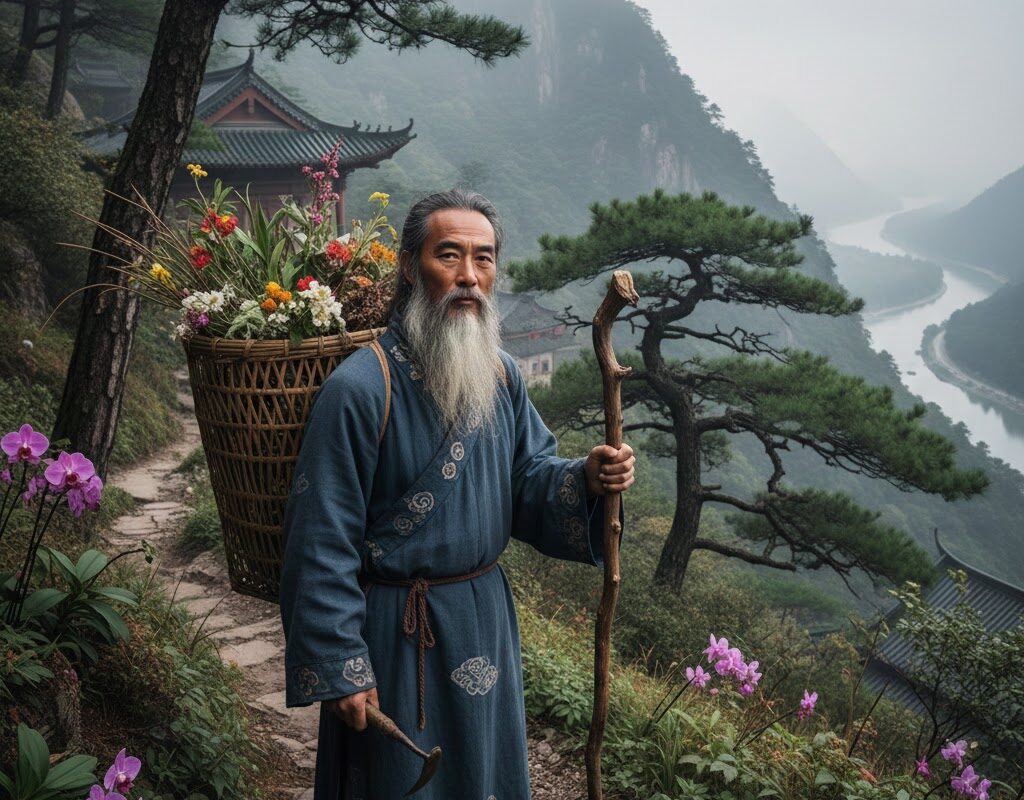
One such tale features Hao Gongjing, a physician known for foraging herbs in the sacred Mount Tai. On one trip, he passed through a busy market. A man with the so-called “third eye” (a spiritual ability to see the unseen) suddenly noticed that ghosts were fleeing from Hao’s presence. The reason? The herbs he carried were said to have the power to repel evil spirits. Inspired, the man asked for the herbs and created the Ghost-Killing Pills. They were reportedly effective in curing those afflicted by “evil” ailments — illnesses believed to be caused by malevolent forces.
Another curious case involves Cui Wu from Dingzhou, who broke his leg falling off a horse. The attending doctor mixed powdered copper with wine and gave it to Cui to drink. Miraculously, his leg healed swiftly. But the story doesn’t end there: over a decade later, when Cui’s descendants relocated his grave and exhumed his body, they found that his shin bone was still wrapped in copper, right where the break had been.
Ancient healing: mystical, meaningful, or metaphorical?
What are we to make of these incredible stories?
To modern eyes, they may seem mythical or exaggerated. Yet within them lies something universal: the human desire to believe in forces greater than ourselves — especially when facing illness and uncertainty. In ancient China, healing wasn’t just about the body; it was also about spirit, morality, and harmony with the cosmos. Divine healers, such as Yang Yuanliang and Zhao Xuanjing, were seen not only as miracle workers, but as agents of Heaven, restoring not only health but also balance to the world around them.
Whether we interpret these tales as folklore, spiritual metaphor, or historical curiosity, one thing is clear: The lines between medicine and miracle were once far more blurred than they are today.
Follow us on X, Facebook, or Pinterest
