

“A family that accumulates virtue will enjoy lasting blessings; a family that accumulates wrongdoing will suffer lasting calamity.” This timeless insight comes from The Book of Changes, one of China’s most ancient and revered classics.
Throughout history, Chinese culture has emphasized that the practice of virtue and kindness does not merely benefit an individual but extends its influence across generations. When a family consistently upholds moral conduct, it lays the foundation for prosperity, harmony, and good fortune for its descendants. Conversely, when a family engages in harmful or unethical deeds, misfortune and decline often follow, affecting not only the present generation but those yet to come.
Thus, the rise or fall of a family has long been understood to be closely linked to the actions and character of its forebears. Virtue accumulates quietly, shaping destiny over time, while wrongdoing leaves unseen consequences that eventually surface. This raises an enduring question: how can we cultivate virtue today so that blessings may be passed down to future generations?
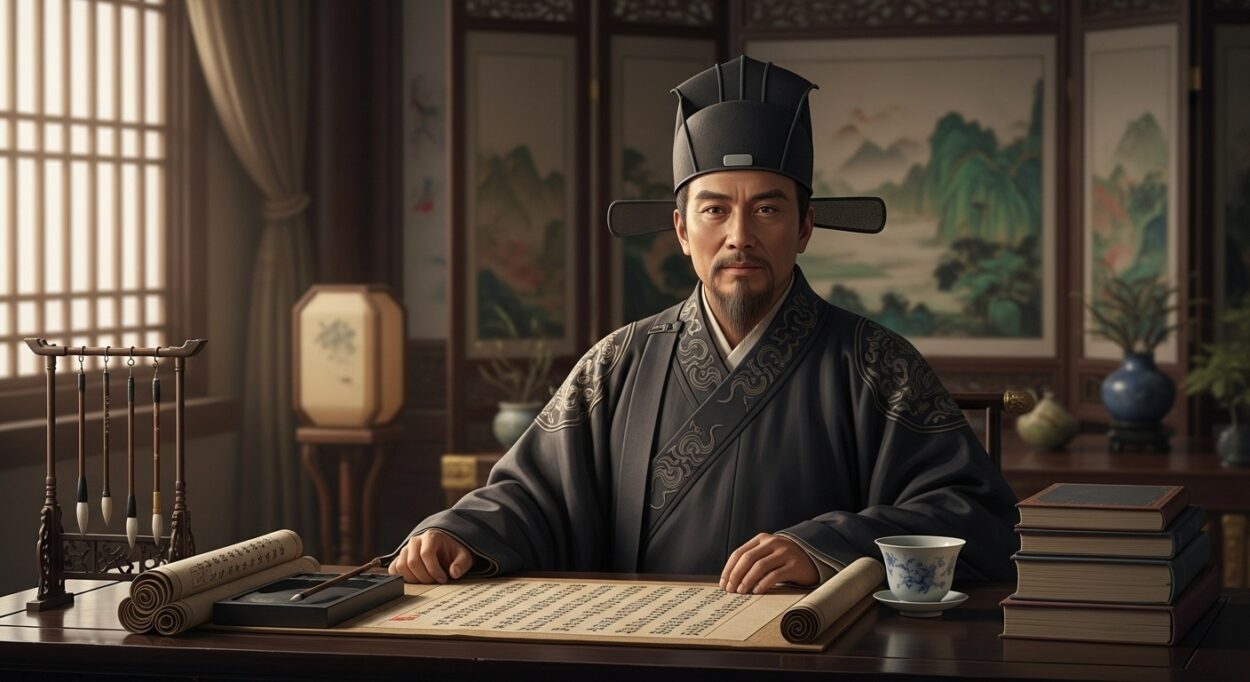
Virtuous people are capable of shouldering responsibilities
When we look at prominent families of noble lineage throughout China’s history, we find that they often shared a tradition of accumulating virtue and practicing kindness, with strong emphasis on moral character. This tradition not only produced capable and accomplished descendants but also brought lasting blessings to these families for generations.
When speaking of virtue and benevolence, there are many stories about the Fan Zhongyan family’s long-lasting prosperity. Fan Zhongyan was an accomplished statesman, writer, scholar, and reformer of the Northern Song dynasty (960-1127). Ancient Chinese wisdom holds that “wealth rarely lasts beyond three generations.” So how did the Fan family manage to thrive for more than 800 years?
Born into poverty and facing immense hardship, Fan Zhongyan vowed that if he ever rose to prominence, he would help the destitute. After becoming Chancellor, he used his salary to purchase land so the poor could farm and support themselves.
Later, Fan Zhongyan purchased a house in Suzhou. A feng shui master remarked that the house had excellent feng shui and predicted that Fan’s descendants would become high-ranking officials. Fan Zhongyan reflected that if the house’s auspicious energy could elevate his own descendants, why not transform it into a school instead? In this way, the children of common families in Suzhou could study there. Would it not be more meaningful for many children to grow into virtuous and distinguished individuals than for only his own descendants to rise to prominence?
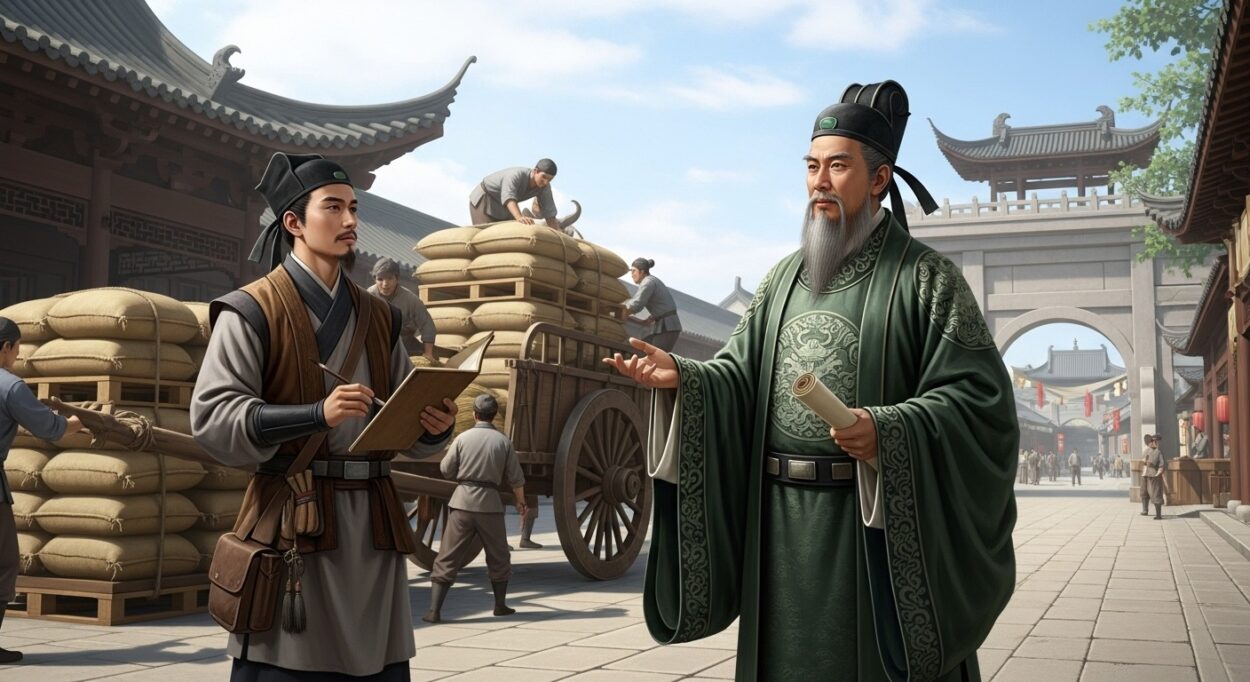
Fan’s benevolence influenced his descendants
Fan Zhongyan once sent his second son, Fan Chunren, to Suzhou to transport grain to Sichuan. During the journey, Fan Chunren encountered an elderly person in great distress and felt compelled to help. He sold the grain he was transporting, but even then, the funds remained insufficient.
When Fan Chunren returned home, he dared not mention what had happened, fearing his father’s reaction. It was only after Fan Zhongyan inquired that Fan Chunren explained the situation. After hearing his son’s account, Fan Zhongyan said: “You should have sold the boat as well!” Fan Chunren replied: “I already did.” Hearing this, Fan Zhongyan was delighted. He praised his son for making the right choice and acting with true compassion.
All four of Fan Zhongyan’s sons grew into extraordinary individuals, known for their virtue and talent. They attained distinguished positions, serving as chancellors, ministers, and members of the council. In later generations, the Fan family’s great-grandchildren remained influential and respected. To this day, descendants of the Fan family in the Suzhou region remain prosperous, standing as a living testament to the saying: “A family that accumulates virtue will surely enjoy lasting blessings.”
Translated by Elaine and edited by Tatiana Denning
Follow us on X, Facebook, or Pinterest
