

As the saying goes: “Food supplements are not as good as supplementing with water.” After a night of breathing, sweating, and metabolizing, the body is relatively dehydrated when we wake up in the morning. Drinking a glass of water at this time not only replenishes fluids but also dilutes the blood, flushes the stomach, and kicks‑starts the day with energy.
However, if the “first glass of water” in the morning is the wrong kind, it can become a hidden killer to health. In the morning and on an empty stomach, there are three types of water you should avoid. Otherwise, instead of nourishing the body, they may harm the stomach and burden the heart.
3 types of water to avoid in the morning
1. Ice‑cold water
Many young people, or those in a warmer environment, like to drink a glass of ice water in the morning, thinking the “chill” will wake them up instantly. From the perspectives of traditional Chinese medicine and modern medicine, this is strongly discouraged. Morning is when the body’s yang energy rises, and the stomach is just waking up. Drinking ice water on an empty stomach causes the stomach lining’s blood vessels to contract sharply, which can lead to cramps, abdominal pain, and even diarrhea. For middle‑aged and elderly people, the consequences are more severe: the shock of cold water can trigger a stress response, causing a sudden spike in blood pressure. Clinical cases have shown heart and cerebrovascular accidents linked to morning ice water. Instead of being refreshing, it delivers a violent shock to the system.
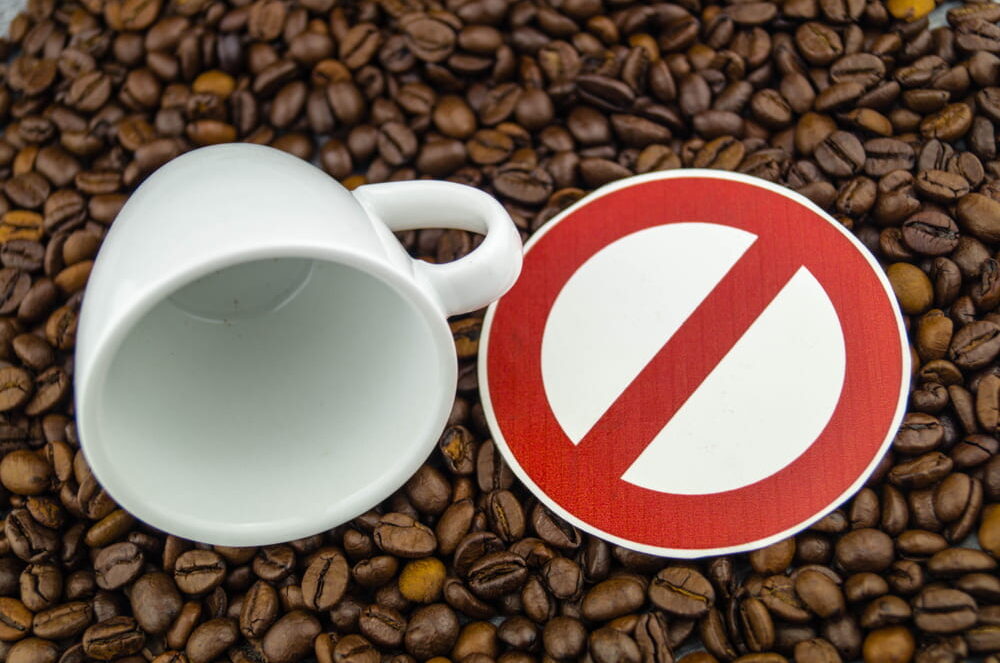
2. Strong tea and strong coffee
Many office workers or tea lovers start their day with a strong brew, hoping caffeine will reduce puffiness and boost alertness. Yet this can cause several problems:
Irritation of the stomach lining
On an empty stomach, the polyphenols in strong tea and the caffeine in coffee stimulate excessive stomach acid secretion, leading to gastritis or ulcers over time.
“Tea drunkenness” or caffeine palpitations
Absorption of caffeine is much higher on an empty stomach, often causing heart palpitations, rapid heartbeat, trembling hands, or dizziness.
Impaired nutrient absorption
The tannins in tea bind with trace elements in the intestines, reducing nutrient uptake if consumed regularly on an empty stomach.
3. Lightly salted water
Many people believe the myth that drinking salt water in the morning detoxifies and relieves constipation. Actually, this is a major misconception. Modern diets already exceed the recommended salt intake, and in the morning, blood is already in a hyperosmotic (thicker) state. Adding salt water worsens cellular dehydration, making you thirstier and raising blood pressure. For those with hypertension, cardiovascular disease, or kidney problems, morning salt water is like adding fuel to the fire.
Drink water right in the morning
Doctors give three golden standards to remember:
Choose warm plain water
Water at 20-35°C is closest to body temperature, gentle on the intestines, calorie‑free, and absorbed quickly.

Drink a moderate amount
Keep it between 200 and 300 ml. Drinking too much at once burdens the heart. Sip slowly to let the body absorb it gradually.
Brush your teeth before drinking
After a night of breathing, many bacteria grow in the mouth. Drinking water before brushing carries those bacteria directly into the body.
Conclusion
Health preservation does not need to be expensive; it can be simple if done correctly. The goal of wellness is to make the body lighter, not to add burdens. If you have elders at home who love cold water or strong tea first thing in the morning, be sure to share this with them. Changing drinking habits may help avoid many hidden health risks.
Translated by Cecilia
Follow us on X, Facebook, or Pinterest
