
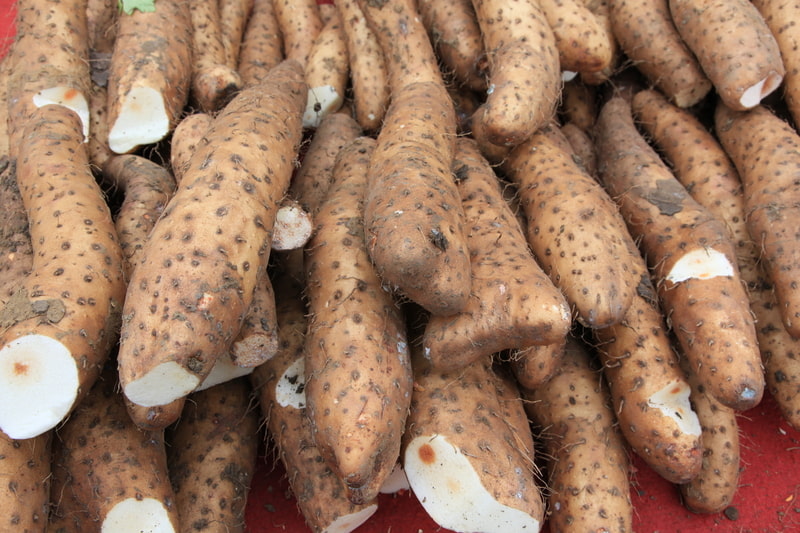
Perhaps many remedies that benefit health and act as natural medicine are hidden in the everyday foods we eat, but rarely notice. This article explores those humble ingredients that elders regard as heaven’s most selfless gift — the people’s herbal treasures. In the dazzling world of medicinal cuisine, there is one ingredient that hardly looks presentable at first glance: long, thin, covered in fuzz, and often caked with damp, dark soil. If you peel it carelessly, its sticky sap can even make your skin itch. Yet this unpretentious earthy lump possesses remarkable healing powers. It is the Chinese yam, known as shan yao in traditional Chinese medicine (TCM), a time-honored remedy held in high esteem for its unique ability to nourish all three burners of the body — the upper, middle, and lower regions that regulate vital life processes.
Chinese yams have a long history and rich folklore
In ancient times, Shan Yao was originally called Shu Yu. Its name underwent multiple transformations over the centuries precisely because it was so highly valued and famous that even emperors took notice. During the Tang Dynasty, to avoid violating the imperial naming taboo of Emperor Li Yu, the root was renamed shu yao. Later, during the Northern Song Dynasty, it was changed again to avoid sharing a character with Emperor Zhao Shu, finally becoming the shan yao we know today.
These repeated renamings by royal decree reflect the root’s irreplaceable role in daily life and culture. Beyond imperial courts, folklore highlights its miraculous qualities. Legend says that during an ancient war, a weaker army was driven into barren mountains and trapped by enemy forces. With their food supplies completely exhausted and horses starving, the soldiers accidentally dug up the wild tubers growing beneath the mountain soil. After cooking and eating the thick roots, the men rapidly regained their strength, their horses grew energetic, and even the soldiers’ battle wounds began to heal at an astonishing pace. Thanks to this humble root, the trapped army staged a fierce comeback, proving that true power often hides beneath the simplest surfaces.
This humble root serves as the ultimate balanced tonic
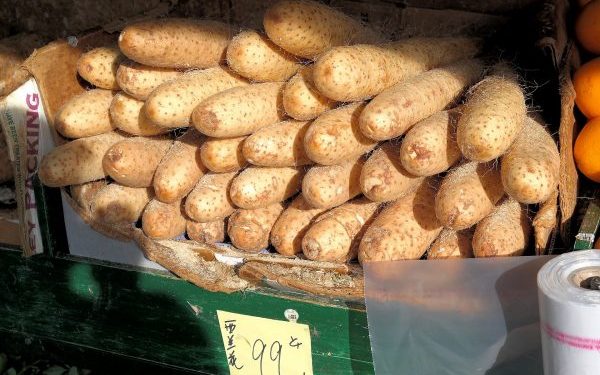
According to the core principles of traditional medicine, Chinese yams are neutral in nature and sweet in taste, and they enter the spleen, lung, and kidney meridians. The greatest clinical feature lies in its absolute balance. Many traditional tonics carry distinct physical “biases”: fiery herbs can easily cause excess heat or internal inflammation, while overly rich, yin-nourishing remedies can create unwanted dampness and sluggish digestion. Chinese yams are remarkably different because they are gently warming without being drying, and deeply nourishing without being cloying or heavy. This makes it one of the rare single ingredients capable of harmonizing the spleen, lungs, and kidneys simultaneously.
For the digestive system, it acts as a gentle repair agent. Modern lifestyles filled with stress and irregular eating habits often weaken digestion. Chinese yams contain abundant digestive enzymes, such as amylase and polyphenol oxidase, which directly aid the gut in breaking down and absorbing nutrients. Furthermore, the sticky sap, which can cause skin irritation when raw, is rich in mucopolysaccharides and glycoproteins that form a protective coating over the stomach lining. Elders often remind us that the spleen and stomach form the foundation of post-natal life, and regular consumption of Chinese yams helps reinforce that vital structural base.
The respiratory system acts as a soothing tonic. Chronic coughs, seasonal allergies, and lingering physical fatigue often stem from depleted lung energy (qi). Chinese yams replenish both lung qi and yin, making them an exceptional food therapy for individuals prone to persistent dry coughs or frequent winter colds.
Finally, for the lower body, it functions as a steady fuel station for kidney essence. Rather than aggressively boosting energy like strong stimulants, Chinese yams gently strengthen the kidneys and replenish deep reserve energy. It operates like a soft spring rain nourishing dry soil, gradually enhancing long-term vitality, stamina, and resilience without triggering physical burnout.
Kitchen preparations seamlessly combine culinary pleasure with physical medicine
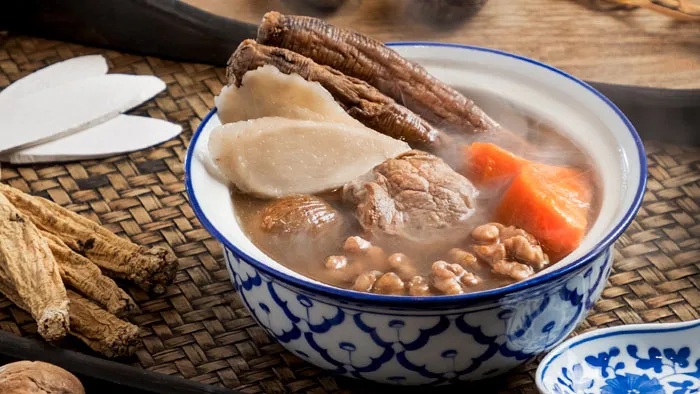
Chinese yams are extraordinarily versatile in the kitchen, offering a subtle, pleasing taste and texture regardless of how they are prepared. One of the simplest methods is steamed yams: simply wash the tuber thoroughly and steam it with the skin on. Enjoyed this way, its dry, sweet flavor directly benefits the spleen and digestive tract, making it a soothing option for children with delicate stomachs or elderly individuals dealing with sluggish digestion. For a richer meal, yam and pork rib soup offers a classic therapeutic combination. While pork ribs nourish the blood and build physical substance, the yams boost overall qi energy.
Cooked slowly together, the ingredients work synergistically to restore vitality, making the soup an ideal recovery meal after illness or intense physical exertion. For a modern twist, blueberry yams have become a popular culinary choice. In this dish, steamed yams are mashed into a smooth paste and topped with a sweet blueberry sauce. The yams support the spleen while the antioxidants in blueberries benefit the liver and eyes, creating a delicious, functional dish that serves as a nourishing treat for busy modern professionals.
A strong foundation sets the stage for total vitality
With its earthy warmth and gentle potency, Chinese yams lay a solid, dependable foundation for the spleen and stomach, providing the human body with its essential source of transformation and energy. Yet traditional medicine always emphasizes that energy and blood must circulate freely, and deep essence must be carefully stored. Once your physical foundation is securely set, the body’s internal flame must be kindled and preserved.
If Chinese yams are primarily about opening the source of life energy, the next essential ingredient is all about conserving and storing that vitality. Looking ahead, we can explore another daily superfood often found floating in thermos cups: the bright red goji berry, and learn how it acts as a faithful guardian, nourishing the liver and kidneys and protecting our most precious life energy for years to come.
Translated by Cecilia and reviewed by Maria
Follow us on X, Facebook, or Pinterest
