
Here is an expanded, refined, and grammatically polished version of the passage, organized into clear thematic sections.
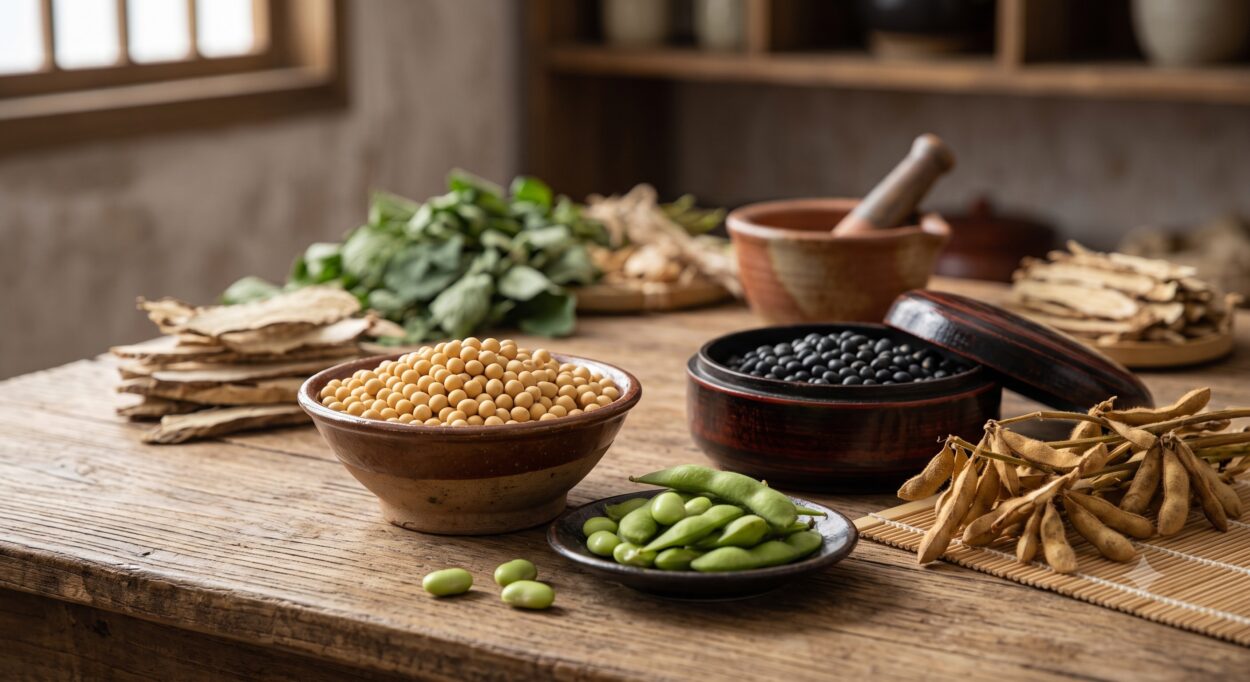
Soybeans serve as a powerful natural remedy
Frequently celebrated in Eastern medicine as the “King of Beans,” soybeans hold a venerated position in whole-body wellness because they can harmonize the spleen and stomach. In Traditional Chinese Medicine (TCM), the conceptual framework of the “spleen” extends far beyond a single anatomical organ, encompassing the entire gastrointestinal network responsible for digestion, nutrient absorption, and metabolic distribution. When the spleen and stomach function optimally, the body efficiently converts food into vital energy, which, in turn, reflects outwardly as a vibrant, glowing complexion. By reinforcing digestive health at a fundamental level, soybeans help ensure that essential nutrients are properly processed, providing systemic nourishment that directly supports skin elasticity, moisture retention, and overall radiant physical appearance.
For women navigating the physiological transitions of menopause, incorporating soybeans into the daily diet offers targeted therapeutic support. Soybeans are exceptionally rich in soy isoflavones, which are plant-derived phytoestrogens that mimic the beneficial effects of estrogen in the human body without the associated synthetic risks. As estrogen levels naturally decline during menopause, women face a significantly heightened risk of accelerated bone density loss and postmenopausal osteoporosis. Regular intake of soy isoflavones helps mitigate this bone loss by supporting bone mineralization and structural integrity. Beyond skeletal health, these powerful compounds support smoother hormonal regulation, easing common menopausal symptoms such as hot flashes, night sweats, and mood fluctuations, while fostering long-term cardiovascular stability.
The connection between soy intake and reduced mortality rates
The preventive health benefits of soybeans are firmly supported by modern epidemiological literature, which demonstrates a clear link between regular consumption of soy products and a marked reduction in overall mortality risk. Rigorous clinical reviews indicate that for every additional 10 milligrams of soy isoflavones integrated into a person’s daily dietary routine, the baseline risk of cancer-related mortality drops by approximately 7%, while the specific risk of breast cancer mortality decreases by an impressive 9%. To put these statistical benefits into a practical perspective, data from standard nutritional databases show that a single 100-gram serving of traditional soy milk supplies roughly 30 milligrams of active soy isoflavones. Consequently, drinking just one glass of quality soy milk each day easily delivers a therapeutic dose of these protective nutrients to fight chronic inflammation and cellular damage.
The skin-beautifying properties of soy milk extend to prenatal care, as illustrated by clinical observations in maternal health. A patient once shared her personal experience during her first pregnancy, during which severe morning sickness hindered her appetite; to ensure basic nutritional intake, she relied on daily glasses of fresh soy milk. When her baby was born, the infant possessed a remarkably fair, clear, and supple complexion. Interestingly, during her second pregnancy, she did not regularly consume soy milk, and her second child’s skin appeared noticeably less flawless at birth. While anecdotal, these clinical real-world experiences align with the understanding that soy milk’s high-quality proteins, amino acids, and antioxidant profile provide safe, foundational nourishment during fetal tissue formation, making it an excellent, gentle dietary addition for expectant mothers seeking wholesome prenatal nutrition.
Sprouting soybeans unleashes potent bioactive peptides
When soybeans undergo the natural germination process to become soybean sprouts, their internal biochemistry shifts dramatically, transforming them into a potent remedy for clearing internal heat and eliminating dampness. In TCM principles, excess heat and dampness frequently manifest during seasonal shifts as red, itchy skin, hives, and troublesome spring allergies. Modern laboratory analysis confirms that four days of controlled sprouting facilitates the enzymatic breakdown and release of dense bioactive compounds within the human gut. Specifically, key anti-inflammatory components and active peptides are up to six times higher in four-day-old soybean sprouts than in unsprouted dry beans. This sudden surge in bioavailable nutrients dramatically amplifies their capacity to quell systemic inflammation, relieve cellular oxidative stress, and soothe hyperactive immune responses.
Despite their impressive nutritional profile, soybean sprouts require careful dietary timing according to traditional medical principles. Within TCM practice, sprouted beans are classified as “trigger foods” — specific ingredients that have an energetic tendency to push dormant toxins to the surface or exacerbate active, inflammatory physical conditions. Consequently, individuals currently experiencing acute flare-ups of sensitive skin, severe eczema, open rashes, or viral infections, such as shingles, should temporarily eliminate bean sprouts from their meals. Consuming them during these heightened inflammatory phases can accidentally aggravate localized nerve pain, intensify redness, and delay the natural healing process of cutaneous lesions.
White hyacinth beans protect respiratory health
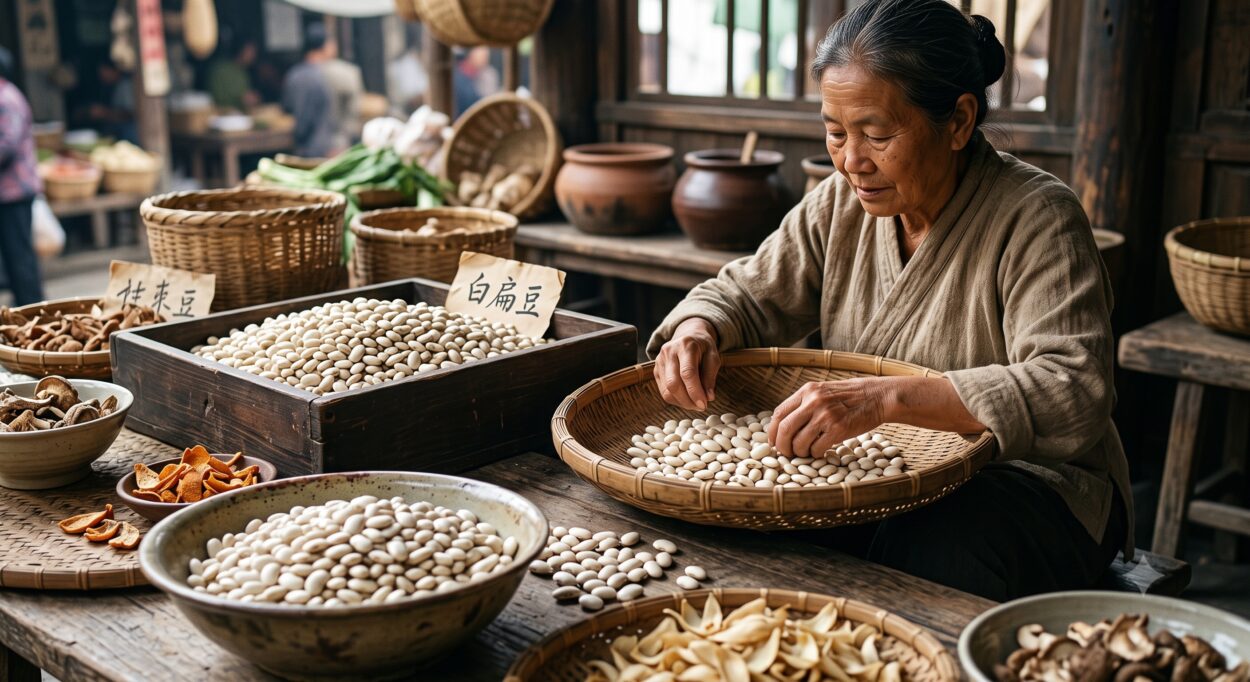
Widely recognized in traditional culinary medicine as “Emperor beans,” white hyacinth beans offer exceptional targeted protection for the respiratory system. In classical Eastern dietary doctrine, naturally white foods are explicitly linked to supporting lung function, clearing mucosal congestion, and building resilience against environmental pathogens. Beyond their medicinal properties, these versatile legumes serve as an ideal nutrient-dense alternative to standard staple grains like white rice or refined wheat. White hyacinth beans pack a significantly higher volume of dietary fiber and complete protein per serving while maintaining a lower overall glycemic impact and calorie footprint, making them an effective staple choice for individuals aiming to stabilize blood sugar levels, improve digestive motility, and manage body weight.
Modern pharmacological investigations have uncovered remarkable antiviral properties in white hyacinth beans, largely driven by a unique plant protein called FRIL. Researchers have discovered that FRIL acts as a potent biological inhibitor that is capable of neutralizing multiple strains of human influenza, as well as the COVID-19 coronavirus, by binding to viral surface proteins and blocking cellular invasion. In controlled animal models evaluating severe respiratory infections, subjects exposed to otherwise lethal doses of the H1N1 influenza virus demonstrated a 70% survival rate when treated with a low-dose intranasal application of FRIL at 3 milligrams per kilogram. Conversely, all control subjects who did not receive FRIL intervention succumbed to the viral infection within 8 days, highlighting the extraordinary potential of legume-derived proteins for future antiviral therapies.
While white hyacinth beans offer undeniable physiological benefits, they must be prepared with absolute culinary caution to prevent unexpected food poisoning. Raw and undercooked hyacinth beans naturally contain defense compounds, including complex toxic lectins and saponins, which can cause acute gastrointestinal and neurological distress if ingested in their active states. To completely deactivate these natural phyto-toxins, white hyacinth beans must be boiled continuously at high temperatures for a minimum of 20 minutes prior to consumption. Skipping this crucial preparation step can lead to rapid-onset symptoms of mild to severe toxicity, including sharp head pain, persistent nausea, abdominal cramping, and violent vomiting.
Black beans strengthen the kidneys
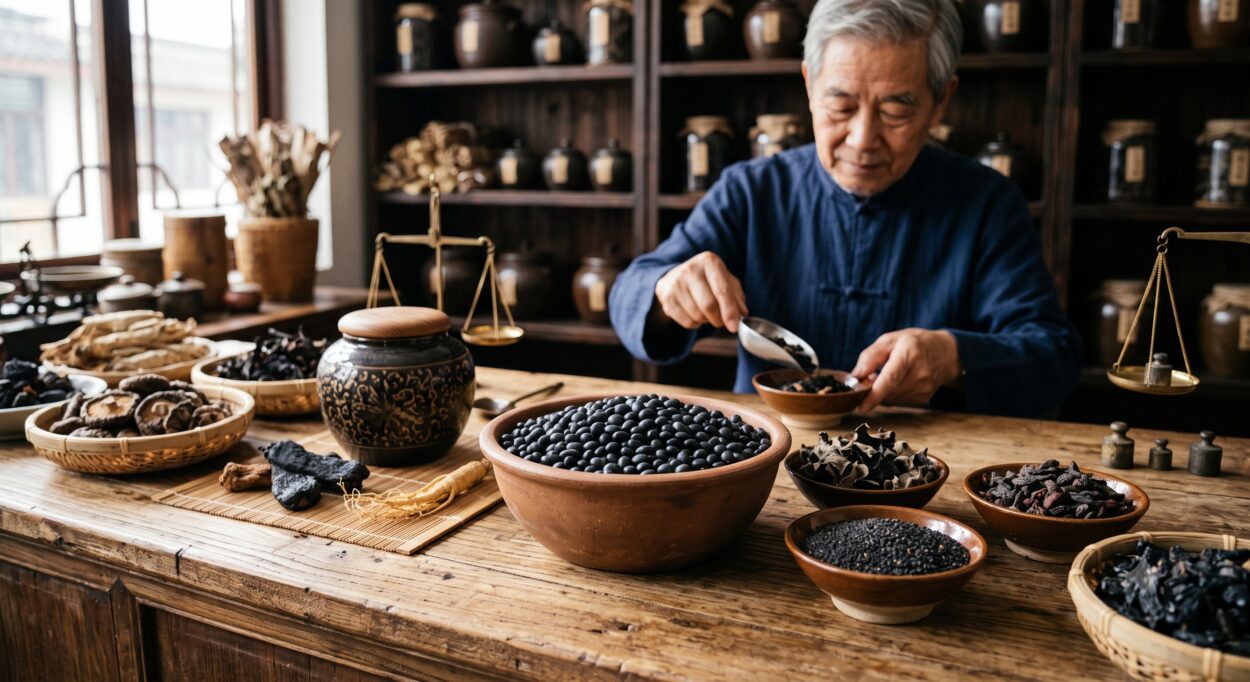
In traditional Eastern medicine, the physical appearance of food often corresponds to its internal therapeutic destination, which explains why dark, black-colored ingredients are strongly associated with nourishing the kidneys. Among all dark legumes, black beans stand out as the undisputed “King of Beans” for boosting vitality, strengthening structural health, and preserving deep pigment in human hair. The dark outer skin of the black bean derives its deep color from an extraordinarily dense concentration of anthocyanins — a powerful class of water-soluble flavonoid antioxidants. Because these protective pigments are concentrated throughout the seed coat, black beans possess a significantly higher total antioxidant capacity than standard yellow soybeans, offering robust cellular defense against free radical damage.
In classical medicine, the concept of “nourishing the kidneys” encompasses both the anatomical filtration organs and a broader energy network that dictates fundamental human longevity, growth, and reproductive vitality. When a person’s underlying kidney energy becomes depleted through stress, illness, or natural aging, the body signals this imbalance through chronic fatigue, lingering soreness in the lower back and knees, brittle bones, premature graying, hair thinning, and diminished visual acuity. Because the fundamental reserves stored within the kidney system govern cellular repair and structural breakdown, consistently consuming kidney-nourishing foods like black beans actively helps slow physiological breakdown, fortify joint structure, preserve dark hair color, and maintain youthful energy throughout the aging process.
Due to their diverse therapeutic profile, black beans offer profound nutritional benefits for six specific categories of individuals seeking targeted physical wellness. First, people suffering from kidney energy deficiency — marked by chronic knee weakness, lower back aches, or thinning hair — can rebuild core strength through regular intake. Second, individuals dealing with fluid retention find natural relief through the bean’s mild diuretic action. Third, patients managing cardiovascular conditions benefit from the bean’s ability to support vascular elasticity and clear serum lipids. Fourth, those pursuing healthy weight loss and skin rejuvenation gain essential metabolic support. Fifth, diabetic patients benefit from the bean’s complex carbohydrates, which help prevent blood sugar spikes. Finally, individuals prone to age-related visual decline receive critical ocular protection from the rich supply of anthocyanins.
Individuals managing pre-existing kidney disease must exercise caution
Despite the broad health benefits of dark legumes, individuals diagnosed with advanced chronic kidney disease must manage their overall bean intake under strict medical supervision. Beans of all varieties are naturally rich in plant-based protein and essential minerals, particularly potassium and phosphorus. When renal function is significantly impaired, the kidneys struggle to filter and excrete excess potassium and nitrogenous protein waste from the bloodstream, potentially leading to dangerous electrolyte imbalances, cardiac arrhythmias, and accelerated renal stress. Therefore, those with compromised kidney function should carefully monitor their daily portion sizes and consult with their nephrologist or a registered dietitian before increasing their intake of high-potassium legumes.
Moderating portion sizes prevents uncomfortable digestive issues
In addition to mineral considerations, the high concentration of complex dietary fiber and oligosaccharides present in beans requires sensible portion control for everyday diners. While dietary fiber is essential for maintaining a healthy gut microbiome and promoting smooth bowel movements, consuming excessive amounts of beans in a single meal can easily overwhelm the digestive tract’s enzymatic capacity. Unfermented sugars then reach the large intestine, where native gut bacteria rapidly break them down, generating excessive gas, abdominal distension, painful bloating, and intestinal discomfort. By gradually introducing cooked beans into your diet, chewing thoroughly, and pairing them with plenty of fresh water, you can enjoy their vast array of anti-aging, beautifying, and immune-boosting benefits while maintaining optimal digestive comfort every day.
See Part 1 here
Translated by Patty Zhang and reviewed by Maria
Follow us on X, Facebook, or Pinterest
