
In Part I, we explored Hua Tuo’s remarkable approach to diagnosis, treatment, and prevention. In this section, we continue to examine the timeless medical wisdom he left behind.
Not just healing the body, but also the mind
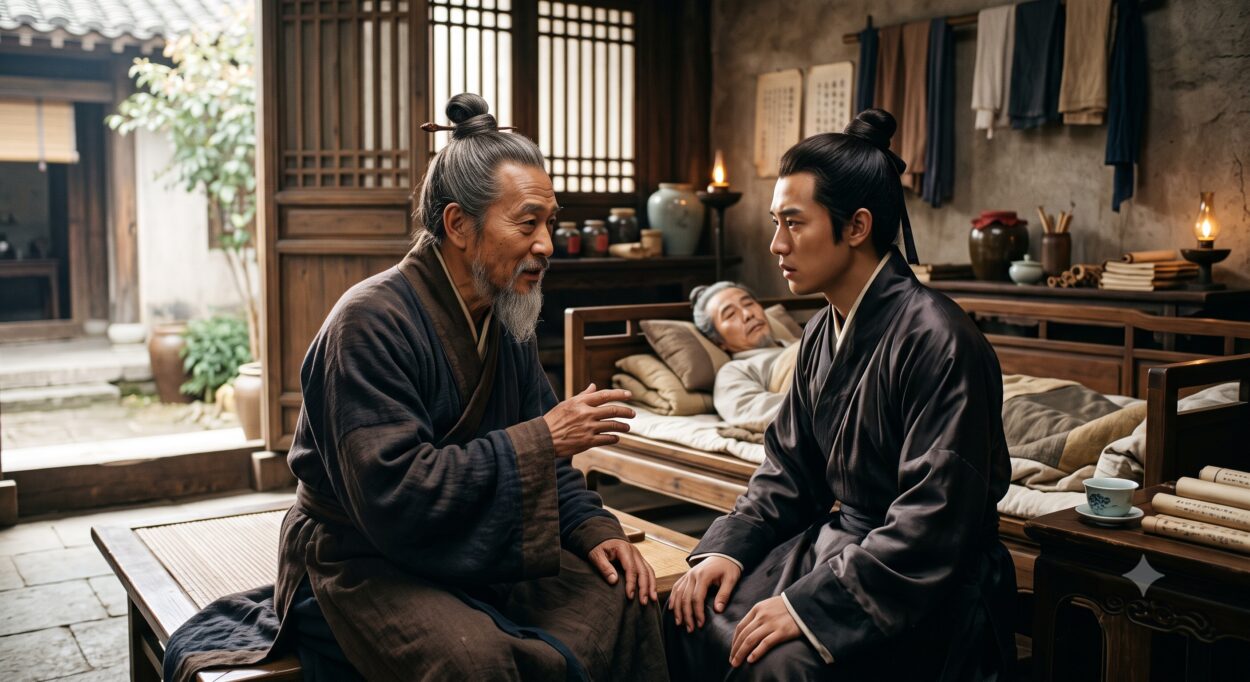
In addition to identifying the root causes of physical illnesses, Hua Tuo also recognized the connection between emotions and health. One account tells of a county governor who had suffered from a long-term illness. After consulting many renowned physicians and taking numerous medications without improvement, he eventually sought Hua Tuo’s help. After examining him, Hua Tuo did not immediately prescribe medicine. Instead, he privately told the governor’s son, “Your father’s illness requires him to become very angry first; then he can recover.”
Several days later, Hua Tuo intentionally left behind his consultation fee and departed, sending the governor a harshly worded letter instead. The letter contained no medical instructions, but rather a sharp rebuke. Upon reading it, the governor became furious. In the midst of this intense emotional reaction, he reportedly coughed up a large amount of clotted blood, after which his condition began to improve.
Viewed through a modern lens, this treatment method reflects the medical beliefs and context of ancient times and does not necessarily align with current medical practice. However, the story highlights a timeless insight: the body and emotions are deeply connected. Modern research in fields such as mind-body medicine and psychoneuroimmunology has shown that prolonged stress, anxiety, and depression can affect sleep, quality of life, cardiovascular health, digestion, pain perception, and immune function.
Hua Tuo did not have the scientific tools used today to explain these mechanisms. Yet he understood a principle that remains highly relevant: a physician should not only treat disease but also understand the patient’s emotions, circumstances, and overall state of being. This vision of whole-person care continues to be an important part of modern medicine.
The wisdom of maintaining health
After many years of practicing medicine, Hua Tuo developed a deeper understanding of health: medicine should not only treat illness after it appears, but also help people preserve their well-being through daily care of the body. He observed that many people who performed physical labor regularly, despite living simple lives, often had stronger bodies than those who lived in comfort but lacked activity. From these observations, Hua Tuo proposed a principle that has been passed down through generations: “The human body needs to be active but should not be overexerted.” The body requires regular movement to maintain strength and vitality, but excessive strain can be harmful.
Hua Tuo explained this idea through the analogy: “Running water does not rot, and a door hinge does not get worm-eaten.” Just as flowing water remains fresh and a frequently used hinge is less likely to deteriorate, the human body benefits from appropriate movement that supports circulation, flexibility, and overall function. In contrast, prolonged inactivity can gradually weaken the body.
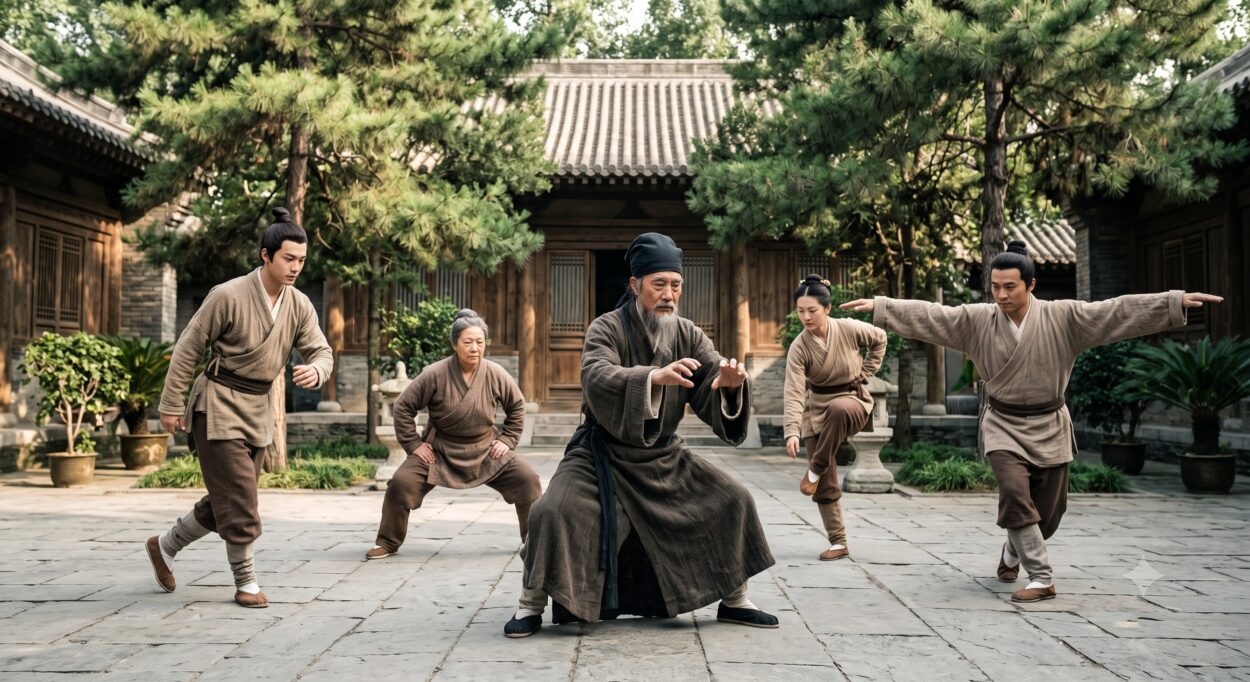
Based on this philosophy, Hua Tuo created the famous Five Animal Frolics (Wu Qin Xi). Inspired by the movements of five animals, he imitated the tiger’s strength, the deer’s agility, the bear’s steadiness, the monkey’s nimbleness, and the bird’s grace to create a series of exercises combining stretching, balance, breathing, and full-body coordination. The Records of the Three Kingdoms recounts that Hua Tuo’s disciple Wu Pu practiced the Five Animal Frolics for many years and, even in his nineties, retained clear eyesight, strong teeth, and a vigorous body. Although historical accounts of longevity reflect the perspectives of their time, they express an enduring belief in the value of caring for the body throughout life.
Modern research has confirmed the importance of regular physical activity for maintaining health, supporting mobility, and reducing the risk of many chronic diseases. Studies exploring the Five Animal Frolics have suggested potential benefits for balance, flexibility, lower-limb strength, sleep quality, and quality of life, although larger, high-quality studies are still needed. The deeper lesson of Hua Tuo’s teachings is not simply the practice of a particular set of movements. It is the recognition that health is cultivated through daily habits. Exercise is not merely a way to recover from illness — it is a lifelong practice for maintaining strength, balance, and vitality.
Recovery is more than the disappearance of symptoms
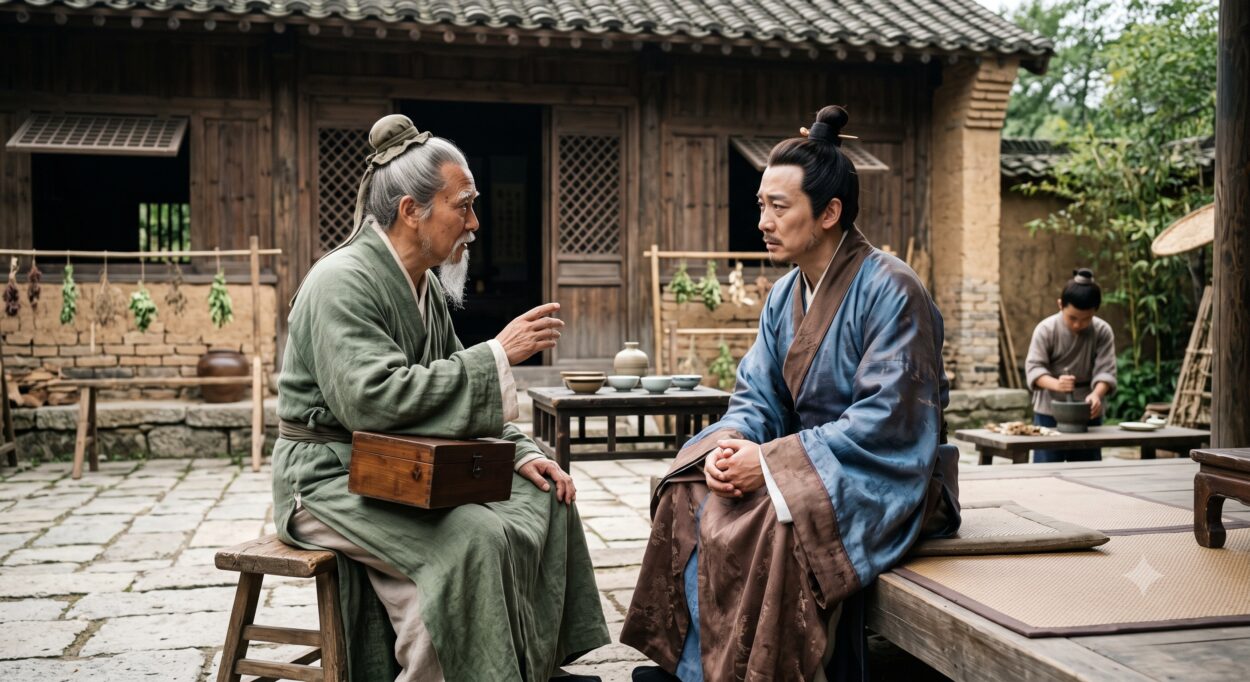
Hua Tuo not only emphasized maintaining health before illness occurred but also recognized the importance of proper recovery afterward. According to the Records of the Three Kingdoms, a retired official named Dun Zixian, who had once served as an inspector, sought Hua Tuo’s advice after recovering from a serious illness. Hua Tuo warned him that although the acute symptoms had disappeared, his body had not yet fully recovered. He advised him to avoid excessive exertion and indulgence, cautioning that a relapse could threaten his life.
However, Dun Zixian did not follow this advice and resumed intimate relations with his wife, who had traveled from afar to visit him. Three days later, his illness reportedly returned, and he eventually died, just as Hua Tuo had predicted. The deeper lesson behind this account remains relevant today: the absence of symptoms does not always mean the body has completely healed. After experiencing improvement, many people are eager to return immediately to their previous routines — resuming demanding work, sacrificing sleep, or engaging in strenuous activities before the body is ready.
Whether recovering from major surgery, pneumonia, COVID-19, or another serious illness, the body’s systems may still need time to repair and regain strength. Modern medicine therefore places great emphasis on rehabilitation, helping patients gradually restore function through appropriate activity, nutritional support, and structured recovery rather than rushing back to their former pace of life.
Looking back at Hua Tuo’s health philosophy, we see that he did not focus only on rare medicines or extraordinary treatments. Instead, he emphasized principles that appear simple but are deeply important: maintaining appropriate activity, balancing exertion with rest, allowing sufficient time for recovery, and caring for the body before illness develops. Nearly two thousand years later, these insights remain at the heart of healthy living: true health is not merely the absence of disease, but the ongoing care and balance of the body and mind.
See Part 1 here
Translated by Joseph Wu and reviewed by Tatiana Denning
Follow us on X, Facebook, or Pinterest
