

Many stories about generosity last only a moment, but in southern Taiwan, one woman quietly lived hers every day for more than half a century. Her name was Zhu Yu-nu, a grandmother from Kaohsiung whose small dining area became a place of stability for laborers who struggled to afford regular meals.
Early years shaped by hardship
Born in 1920 on Penghu, an island group off Taiwan’s western coast, Grandma Zhu grew up during a time when many families worked hard just to meet basic needs. After marrying, she moved with her husband to Kaohsiung, a busy port city where dockworkers often faced long hours and irregular pay.
Seeing how difficult life was for these workers, she began offering help in the most practical way she could. Starting in the 1950s, she opened her family’s warehouse as a place where laborers could sleep and eat without charge. What began as a simple gesture soon grew into a decades-long commitment.
A ten-dollar meal that never changed
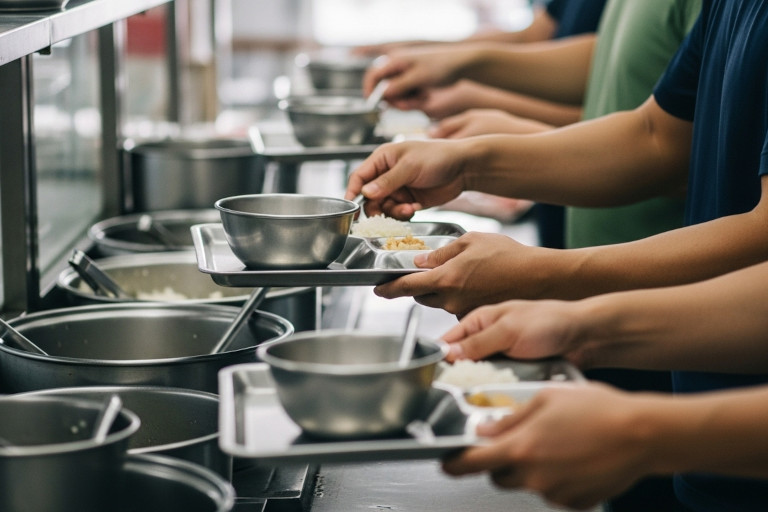
Feeding more than one hundred workers a day soon became unsustainable. Grandma Zhu reluctantly began charging NT$10 (about US$0.32 today) for a complete meal — NT$5 for rice and NT$5 for side dishes. She never raised the price, even as inflation increased the cost of food. No matter how much someone served themselves, the price stayed the same.
For over fifty years, her small self-service cafeteria operated at a loss. Yet she opened it daily without complaint, preparing ingredients, cooking meals, and greeting anyone who came through the door. When people asked why she continued, her answer never changed: she feared the workers might go hungry if they had nowhere affordable to eat.
Sustaining a mission through personal sacrifice
Running the shop required more than time and energy. To cover costs, Grandma Zhu collected recyclable materials during her free hours and exchanged them for small amounts of money to buy groceries. Over time, she even sold all seven of her houses, using the proceeds solely to keep feeding the workers.
Her children often urged her to close the shop, worried about her health and financial security. She always responded with the same quiet conviction: “What about the workers? Where would they eat?”
Her commitment inspired the vendors who supplied her. Many sold vegetables to her at reduced prices or adopted a “half-buy, half-give” practice, offering extra portions without charging. Some allowed her to buy on credit but refused to keep records, treating the gesture as a shared act of kindness.
A community shaped by one woman’s generosity
Over the decades, thousands of laborers relied on her meals. The shop finally closed when she suffered a stroke at age eighty. Even during her hospitalization, she continued to think about the workers she had helped, asking whether they still had enough to eat.
When Grandma Zhu passed away peacefully in February 2015 at the age of ninety-six, the community she had served for so long came together to honor her. More than 3,000 people attended her funeral, and floral tributes stretched for nearly one-fifth of a mile. High-ranking officials from both central and local governments offered condolences, but the largest presence came from ordinary workers who had once depended on her meals.
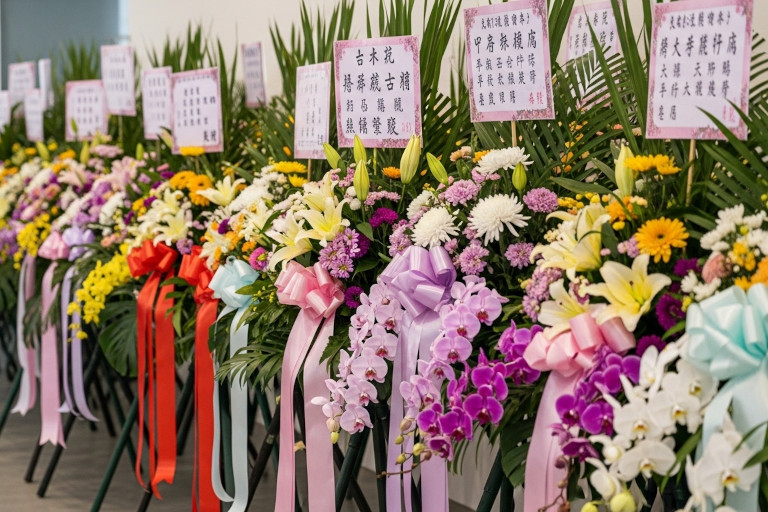
Some came on behalf of family members who had eaten at her shop decades earlier. Others arrived before dawn to light incense. People who were not related to her wept as though mourning a close relative — a reflection of the role she played in their lives. As one funeral director remarked, it was rare to see so many people pay tribute to a citizen whose impact came entirely from quiet generosity rather than public recognition.
Carrying the legacy forward
To honor her life, Grandma Zhu’s son returned to their hometown, Jibei Island in Penghu, and erected a statue commemorating her lifelong devotion to helping others. Her story has since been included in local educational materials, allowing future generations to learn how one woman’s steady commitment was able to shape an entire community.
Grandma Zhu Yu-nu never sought acknowledgment, wealth, or praise. Her legacy endures because she chose, day after day, to make sure others had enough to eat. In doing so, she showed how acts of kindness — carried out consistently and without expectation — can become a source of strength and hope long after the person is gone.
Translated by Audrey Wang
Follow us on X, Facebook, or Pinterest
