

I recently encountered a man seething with righteous indignation. The incident that provoked his fury occurred eleven months ago, yet he still bristles at the mere mention of it. He had distributed $10,000 in Christmas bonuses to his 34 employees — roughly $300 each — only to receive not a single word of thanks. He lamented: “I regret ever giving them those bonuses.”
A sage once said: “An angry person is poison throughout their entire being.” I sympathize with this poisoned soul. He is 60 years old. According to life insurance company statistics, the average number of years we have left to live is two-thirds of the difference between our current age and 80. This gentleman, if he’s lucky, might have 14 or 15 years left. Instead, he squandered nearly a full year of his limited remaining life stewing over past grievances. I truly pity him. My view is this: his expectation of gratitude was a fundamental error. He fundamentally misunderstood human nature.
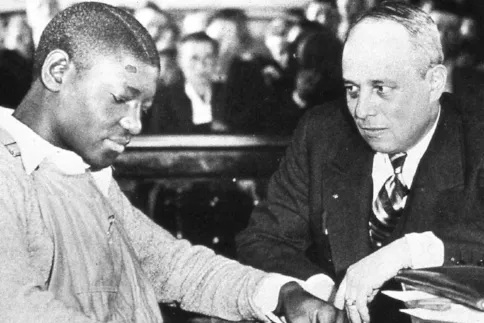
If you saved someone’s life, would you expect gratitude? You might. But Samuel Leibowitz, before becoming a judge, was a renowned criminal defense attorney who saved 78 criminals from the electric chair. Guess how many came to thank him in person, or at least sent a Christmas card? I think you are right — not a single one.
Gratitude has no expectations
When money is involved, it’s even less likely. A friend told me he once helped a bank teller who embezzled funds to gamble on the stock market and lost everything. My friend covered the losses to keep him out of court. Did the teller thank him? Yes, but only for a while. Later, he turned against the very person who saved him — the one who kept him out of prison.
Such is the way of the world — don’t expect things to change. Why not simply accept it? We should follow the example of Marcus Aurelius, the wisest of Roman emperors. One day, he wrote in his diary: “Today I will encounter talkative people, selfish people, self-centered people, ungrateful people. I need not be surprised or troubled, for I cannot imagine a world without such people.”
Parents often resent their children for failing to show gratitude. But if we don’t teach them, how can children learn to be thankful? Ingratitude is as natural as weeds growing wild; gratitude, however, is like a rose, requiring careful cultivation and nourishment with love.

Let us not forget: to have grateful children, we must first become grateful ourselves. Our words and actions carry immense weight. In front of children, never disparage others’ kindness. Never say: “Look at the Christmas gifts your cousin gave — she made them all herself and wouldn’t spend a penny!” Such remarks may seem trivial to us, but children absorb them. Instead, let us say: “Your cousin must have spent so much time preparing these Christmas gifts! How thoughtful of her! We should write her a thank-you note.” In this way, our children unconsciously learn to cultivate the habit of appreciation and gratitude.
The only path to happiness is to stop expecting gratitude from others. Giving is a joy in itself — the joy of bestowing kindness.
Translated by Eva and edited by Amanda
Follow us on X, Facebook, or Pinterest
