
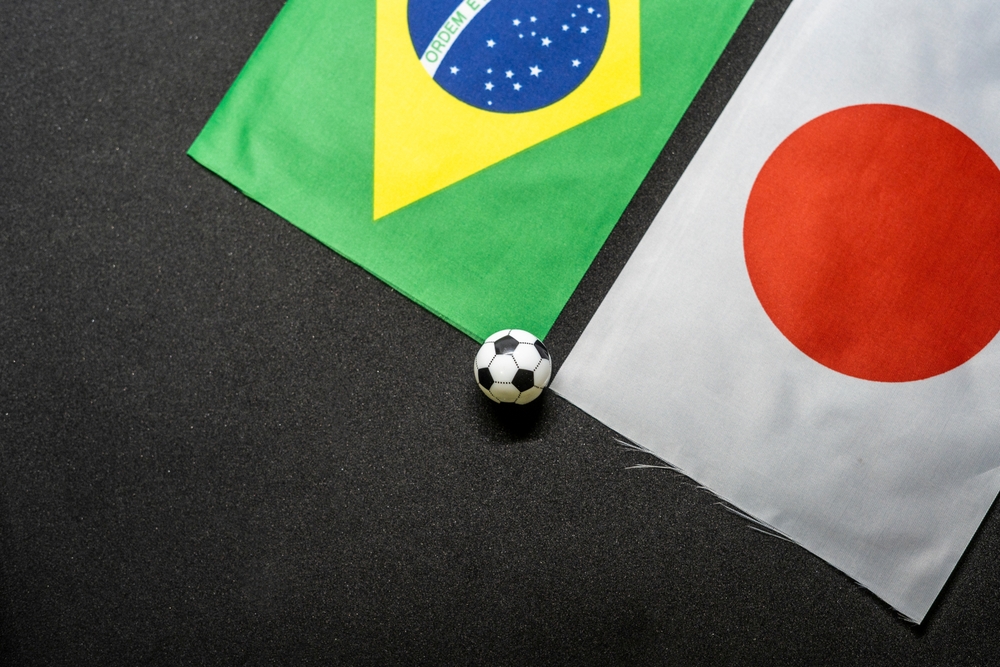
The alarm clock buzzed at 2:30 a.m., a jarring noise cutting through the night’s silence. Across the country, thousands of screens flickered to life in darkened living rooms, casting an eerie blue glow on the faces of fans who had traded sleep for hope. I was one of them, bleary-eyed but fueled by adrenaline, sitting up in the middle of the night to watch the Japanese national team face Brazil in the knockout stage of the FIFA World Cup.
When the final whistle blew, sealing a brutal 1-2 defeat for Japan, a profound silence settled over me. The initial shock quickly gave way to a deep, heavy sense of disappointment — a collective heartache shared by millions of fans watching worldwide. It was a crushing end to an emotional rollercoaster. Yet, the sting of defeat was so sharp precisely because of how magnificently Japan had played. At one point in the second half, when they held the lead, they didn’t just give us hope; they made us genuinely believe that a tectonic shift in world football (soccer) was happening before our eyes. They made us believe they could actually beat Brazil.
The cruel margins of elite football
But that is the beautiful, devastating nature of football. The higher you climb toward the absolute pinnacle of the sport, the smaller the margins of error become. At the World Cup knockout stage, the gap between glory and heartbreak is microscopically thin, and the outcomes can be incredibly cruel. In these high-stakes environments, a single lapse in concentration, a solitary misjudgment by a defender, or even a slight dip in stamina in the grueling final minutes can completely rewrite the narrative of a match. For eighty minutes, you can play a flawless tactical game, but football does not forgive the remaining ten.
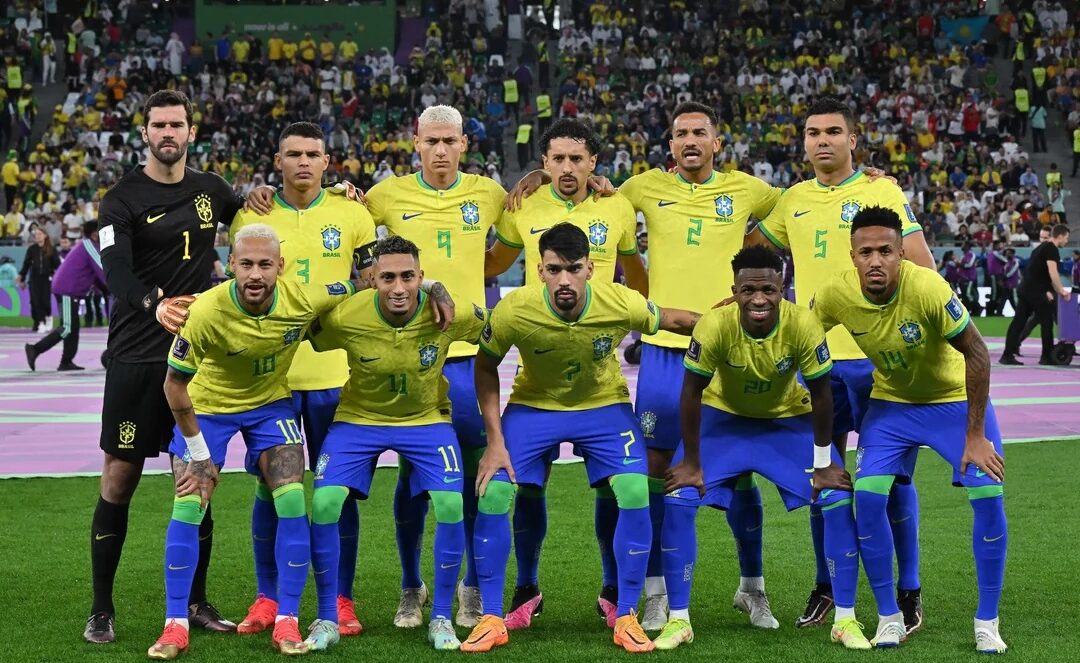
Ultimately, Brazil is Brazil. They are a nation steeped in a rich, centuries-old footballing tradition, where the sport is less a pastime and more a religion. The Brazilian squad comprises individuals who have competed in the world’s most cutthroat European leagues for years, accustomed to the immense pressure of Champions League nights and domestic title races. Even when trailing and facing a disciplined Japanese side, the Seleção did not panic. They remained patient, sticking to their identity, utterly confident that their moment would come. That unshakeable composure is precisely the intangible value gained through generations of tournament experience.
Anatomy of a collapse: Experience and depth
Japan’s loss was inextricably linked to this disparity in tournament pedigree. After taking a shocking but well-deserved lead, a subtle psychological shift occurred. Japan gradually retreated into a low defensive block, absorbing immense pressure and focusing their defense heavily around their own penalty area. Under Brazil’s sustained, suffocating attacking waves, Japan struggled to relieve the pressure. They failed to retain possession effectively in midfield, and when rare counterattack opportunities arose, they lacked the clinical sharpness to capitalize.
This tactical retreat exposed two distinct vulnerabilities:
- Technical suffocation: The difficulty of maintaining precise passing under elite, aggressive pressing.
- The experience gap: Knowing how to manage a lead against a footballing giant without completely surrendering the initiative.
Furthermore, a stark contrast emerged in bench depth and the quality of substitutes. As the second half wore on, Brazil looked to their bench and unleashed a wave of young, hungry talent possessing world-class ability. The moment these substitutes stepped onto the pitch, the match’s tempo accelerated noticeably, injecting fresh terror into the Japanese defense. In contrast, once Japan’s starters began to succumb to physical exhaustion, the drop-off was palpable. There were relatively few substitutes available who possessed the specific game-changing qualities needed to turn the tide back in Japan’s favor. Modern World Cup knockout football is no longer just a test of a manager’s starting eleven; it is an analytical war of attrition that tests the comprehensive strength and versatility of the entire 23-player squad.
| Match Dimension | Japan | Brazil |
| Tactical approach | Disciplined, high-energy pressing; counter-attack reliance | Patient possession, relentless wing play, high-tempo transitions |
| Squad depth impact | Limited game-changing options from the bench as stamina faded | High-impact substitutes that accelerated the game’s tempo |
| Core strength | Structural cohesion and collective work ethic | Individual brilliance and elite tournament composure |
A manifestation of long-term vision
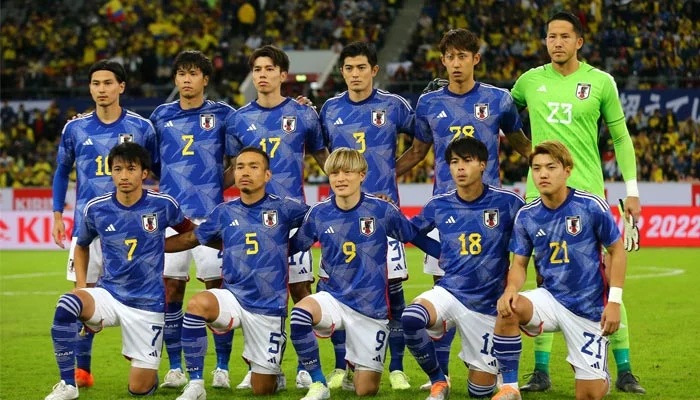
Despite the bitter taste of defeat, this match serves as a towering monument to the progress of Japanese football. To truly appreciate where they are, we must remember where they came from. In previous decades, Asian teams found it extraordinarily difficult to pose a tangible threat to traditional global powerhouses such as Brazil, Germany, and Argentina. Matches often felt like foregone conclusions, characterized by damage control. Today, that paradigm is shattered. Japan went toe-to-toe with Brazil in a World Cup knockout match, dictating the tempo for large stretches and keeping the final outcome agonizingly uncertain until the referee’s final whistle.
This evolution is not a stroke of luck, nor is it a temporary golden generation. It is the direct, calculated result of Japan’s long-term investment in its footballing infrastructure. Over thirty years ago, the country established a blueprint focusing on:
- Youth development: Establishing world-class academies at the grassroots level.
- The J-League: Creating a highly competitive, sustainable domestic professional league.
- Overseas exposure: Encouraging young talent to move to European leagues early to adapt to higher physical and tactical demands.
- Coaching education: Cultivating a sophisticated network of home-grown tactical minds.
These achievements were built painstakingly, brick by brick. It has taken Japan more than two decades of unwavering commitment to prove a vital thesis to the world: Asian football teams are not destined to play a supporting role in the global theater forever.
Beyond the pitch: A lesson in longevity
There is a profound macro-lesson to be learned from Japan’s football journey that extends far beyond the stadium walls. In a modern culture obsessed with instant gratification, Japan’s football trajectory reminds us that meaningful greatness cannot be achieved through momentary enthusiasm or short-lived hype cycles. True structural excellence requires sustained, long-term development. Whether we are talking about sports, reforming an educational system, or building robust national infrastructures, the formula remains the same: a clear, correct direction, a stable and supportive system, and the cultural patience to allow those seeds to grow.
Ultimately, this midnight match left the footballing world with something far more enduring than the fleeting regret of a lost quarterfinal spot. It left us with profound respect. We admire the Japanese team for their unwavering spirit, their flawless discipline, and a tenacious fighting spirit that refused to bow to footballing royalty until the very last second. They proved they belonged on that pitch. Thank you to the Japanese team for their courage, and thank you to the Brazilian team for their excellence. Together, they gifted us a beautiful, tense, and utterly unforgettable night of football.
Author: Akio Yabata
Translated by Elaine and reviewed by Maria
Follow us on X, Facebook, or Pinterest
