
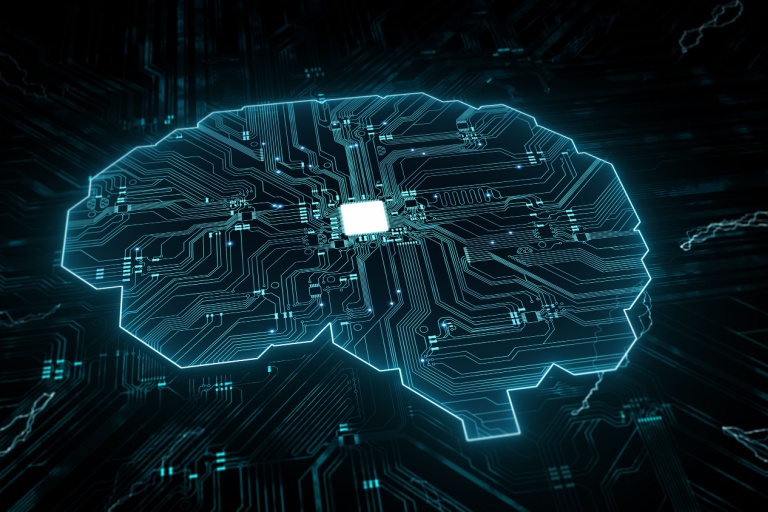
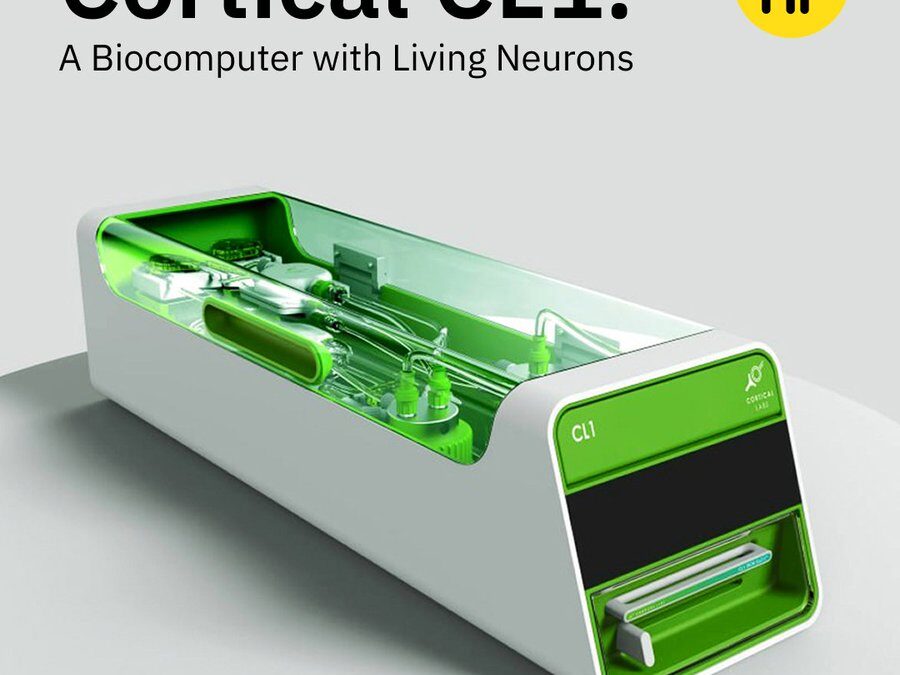
In a world increasingly defined by artificial intelligence, the concept of the “brain chip revolution” is no longer confined to the realm of science fiction. The integration of living human neurons into computers is a scientific breakthrough already at our fingertips, ushering in a new era where biology and technology merge in unprecedented ways. The emergence of brain-cell-based chips marks a radical shift in how we think about computing, bridging the gap between living tissue and silicon circuitry. With the introduction of Cortical Labs’ CL1 — the first commercially available computer that incorporates human brain cells — we are now witnessing the dawn of neurobiological computing.
How brain-cell-based chips are made: The fusion of biology and technology
At the heart of the brain chip revolution lies a fascinating process: the creation of hybrid systems where living human neurons are seamlessly integrated into computational environments. Devices like Cortical Labs’ CL1 rely on a bioreactor that houses human neurons, often derived from stem cells. These neurons are carefully cultivated in vitro and placed onto microelectrode arrays (MEAs), which serve as the interface between the biological and digital worlds.
The MEAs enable two-way communication, allowing electrical signals to flow between the neurons and the silicon hardware. Over time, these living brain cells begin to exhibit learning behaviors, responding to stimuli, and adapting their activity patterns. This rudimentary form of intelligence is not just a simulation — it’s a living, evolving network that can process information in ways traditional computers cannot.
This fusion of living tissue and traditional computing hardware allows researchers to harness the adaptive learning capabilities of neurons. The result is a hybrid system that can potentially outperform conventional computers in specific tasks, setting the stage for a new paradigm in computational design.
Why brain-cell-based chips might outperform silicon chips
Building on the unique properties of living neurons, brain-cell-based chips offer several advantages over traditional silicon chips. Silicon, while robust and reliable, is fundamentally limited by issues such as heat dissipation, energy consumption, and the constraints of binary logic. In contrast, human neurons operate through complex electrochemical processes that are vastly more energy-efficient and adaptable.
Neurons communicate via dynamic synapses, enabling parallel processing and remarkable plasticity — traits that silicon-based systems struggle to replicate. This means that a brain-cell-based chip could potentially learn faster, process ambiguous or “fuzzy” data more intuitively, and function with a fraction of the energy required by conventional hardware.
The implications are profound. Tasks that involve pattern recognition, decision-making, and adaptive learning could see dramatic improvements in efficiency and capability. As we transition from the limitations of silicon to the possibilities of living neural networks, the brain chip revolution promises a leap in both performance and versatility.
Ethical questions in neuro-computing: Navigating the moral landscape
As we push the boundaries of technology by blending human biology with machines, the brain chip revolution inevitably raises profound ethical questions. What does it mean to create a system that incorporates living human neurons? Could these neural systems experience discomfort or suffering? And how do we define consent when dealing with lab-grown neurons that have never been part of a sentient organism?
Researchers in the field are acutely aware of these concerns. They ensure that the neurons used in devices like the CL1 are not sourced from sentient beings and are incapable of experiencing pain. However, as these systems grow more complex and sophisticated, the ethical lines become increasingly blurred. There is a growing call within the scientific community for the development of bioethics frameworks tailored specifically to neuro-computing technologies.
This ethical oversight is crucial as we transition biological computing into commercial and research applications. Scientific progress must respect human dignity and the intrinsic value of life, even at the cellular level. As the brain chip revolution accelerates, society must engage in thoughtful dialogue to ensure that innovation does not outpace our moral responsibilities.
AI and neuroscience applications: Unlocking new frontiers with brain-cell-based chips
The convergence of biological intelligence and artificial systems opens up exciting new possibilities for both AI and neuroscience. Brain-cell-based chips can serve as ultra-efficient learning engines for artificial intelligence, mimicking the way biological neural networks process and adapt to information. This integration allows for the development of AI systems that are not only inspired by the brain but also learn from living brain cells.
In neuroscience, these hybrid chips offer a live, interactive model for studying brain function, neuroplasticity, and neurological disorders such as epilepsy or Alzheimer’s disease. Researchers have already demonstrated the potential of neuron-chip hybrids by training them to play simple video games, providing new insights into reinforcement learning and adaptive behavior.
The ability to inject real biological intelligence into machine learning frameworks could redefine the future of AI and neuroscience research. As we continue to explore the capabilities of these neuro-chips, we may discover entirely new ways to understand and enhance both artificial and human intelligence.

Leading players in the biochip space: The innovators behind the brain chip revolution
The rapid advancement of brain-cell-based computing would not be possible without the vision and dedication of pioneering companies and research institutions. Cortical Labs, the creator of the CL1, stands at the forefront of this burgeoning field. Their flagship product integrates lab-grown neurons into a programmable environment, allowing users to experiment with and study living neural networks in real-time.
Other notable players include startups like Koniku and esteemed research institutions such as the University of Melbourne. These organizations are pushing the boundaries of neuro-silicon integration, attracting significant investment and interest from both the scientific community and the tech industry. The momentum behind the brain chip revolution suggests that this is not a fleeting trend but a foundational shift in the way we approach computing.
As more companies and researchers enter the field, the biochip industry is poised to become a cornerstone of next-generation technology. The collaborative efforts of these innovators will shape the future of computing, artificial intelligence, and our understanding of the human brain.
The future of the brain chip revolution: Redefining intelligence and humanity
The convergence of biology and computing is no longer a theoretical concept — it is a reality that is rapidly transforming our world. Brain-cell-based chips represent a paradigm shift that challenges our fundamental notions of intelligence, technology, and even what it means to be human. With trailblazers like Cortical Labs leading the way, we can anticipate future breakthroughs that will expand the capabilities of AI, deepen our understanding of the human brain, and force society to reexamine the ethical boundaries of innovation.
As this technology continues to evolve, so too must our frameworks for regulation, research, and public dialogue. We must approach the brain chip revolution with both excitement and caution, ensuring that principles of truthfulness, compassion, and forbearance guide our pursuit of progress.
For now, one thing is clear: the next generation of computing may not just mimic the brain — it may be built from it. The brain chip revolution is here, and its impact will be felt across every facet of society, from science and technology to ethics and philosophy.
Follow us on X, Facebook, or Pinterest
