
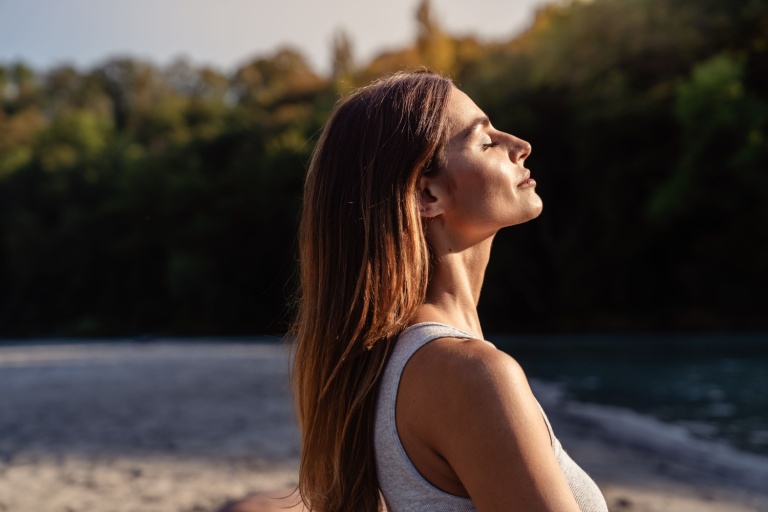
Self-care has become ubiquitous. You see or hear those words (or related ones) everywhere. It’s on t-shirts, mugs, podcasts, and in almost every other social media post. Laypeople and “experts” discuss it as if it’s the answer to everything, whether it’s stress, burnout, bad days, or failing relationships. But what is self-care, and how can it help?
At its core, self-care means taking care of yourself. It’s not only about staying in top physical shape but also mentally and emotionally. It’s about checking in on yourself, setting healthy boundaries, and taking small incremental steps that facilitate your personal growth.
This article explores what self-care means and why you don’t need to break the bank to find it. We also share practical, low-cost self-care ideas you can try anytime, anywhere.
Do you need to spend money on self-care?
Self-care is about giving yourself what you need to feel okay, especially when things are hard, busy, or draining. However, somewhere along the way, it has taken on a new meaning. Scroll through Instagram or TikTok, and you’ll see people showing you their $50 candles, 10-step skincare routines, or luxurious getaways. It all looks so beautiful, but it’s also expensive.
It’s normal to ask yourself: “Do I need to spend money to take care of myself?” Fortunately, authentic self-care doesn’t require you to spend much, or anything at all. Plus, when you’re feeling down, the last thing you need is to feel like you’re not doing “enough” because you don’t own designer skincare or have a personal wellness coach.
According to Dr. Mavis Hall, a clinical psychologist: “Self-care is more about intention than products. It’s about noticing what your body, mind, or heart needs — and responding with kindness.” You don’t need to spend money, collect crystals, or wear matching loungewear to take care of yourself. All you need is a little time, some self-awareness, and the permission to put yourself first for a few moments each day.
Why free self-care can be more powerful
Affordable self-care may seem like an afterthought or backup plan, and it’s easy to think of it as a cheaper, less exciting version of the “real thing.” But free self-care can be more potent than the luxurious options, especially in the long run. Here’s why:
It’s accessible
Affordable self-care is for anyone, anywhere. You don’t need to own luxurious self-care devices or fly to exclusive destinations to take care of yourself. Whether you’re a busy parent, a student, or just someone going through a hard time, it’s always within reach.
It’s affordable and guilt-free
You don’t have to worry about money or feel guilty for spending. Free self-care removes the pressure of lavish getaways, especially when you don’t have the money. You can focus on what truly helps you feel better, not what looks good online.
It’s sustainable and long-lasting
We’ve all experienced buyer’s remorse. Sometimes, buying something may feel good at the moment, but you are left ruing the purchase once the novelty fades. On the other hand, you learn habits that you can keep doing regularly without regret. Habits like journaling, walking, or meditation cultivate long-term awareness rather than providing short-term dopamine boosts.
It’s a path to self-discovery and self-improvement
When you take a break from social media hype, you start listening to yourself. You start asking: “What do I need right now?” — not “What should I buy?” It’s a shift that leads to deeper self-awareness and better emotional health. One popular minimalist influencer shared: “I realized I was spending more time buying things to feel better than actually doing the things that made me feel better. Now, I consider self-care to be things like going for a walk, stretching, or calling my grandma.”
It builds better relationships
When you discover what keeps you grounded, you show up more fully for others. Saying no when your cup is full or reaching out to family or friends when overwhelmed are all forms of self-care that cost nothing. Better yet, they can change everything by fostering stronger bonds.

Free self-care ideas you can do
You don’t need to spend a dime to take better care of yourself. The following free or affordable self-care ideas can make a big difference over time.
Mental and intellectual self-care
Sometimes, your mind needs a breather. Mental self-care gives you space to rest your thoughts, think clearly, and discover new challenges for your brain. You only need a moment of quiet and a little curiosity. Begin with a simple exercise, such as writing down what’s on your mind. It can be on a scrap of paper, a notebook, or even your phone. Expressing your thoughts can alleviate some of the pressure, making you feel less overwhelmed. You can set aside a few minutes each day to sit in silence, breathe slowly, and notice your surroundings.
You can spice things up by revisiting your favorite books, such as Moby-Dick, an old blog post, or an educational magazine. A tech-free hour or timeout can help your mind reset. As one therapist says: “Mental self-care often starts by creating space to be present with your thoughts, without trying to fix them.”
Emotional self-care
You have to be honest about how you feel and permit yourself to feel it. This is easier said than done, but it starts by understanding your emotions and treating them kindly. Cry if you need to. Or talk to yourself aloud the way you would a friend: “It’s okay to be tired today,” or “You’re doing your best.” Such small acts of self-awareness and kindness can help you build self-esteem and emotional resilience.
Other powerful tools include music, scenic walks or drives, breathing exercises, social media detox, and more. Just find something that can help you process your feelings from the inside out.
Physical self-care
When people think of physical care, it’s easy to picture an intense workout or step-by-step skincare routine. But it’s more about tuning in to your body’s needs, such as rest, movement, nourishment, and touch.
It’s the simple things that offer relief — stretching a bit when you wake up, walking around the block or even in your room, drinking water, taking a nap, or lying on the floor and breathing when overwhelmed. A woman shared how she started taking daily “floor time” — five minutes to lie on her back with her eyes closed, arms stretched out. “It sounds silly,” she said, “but it helped me feel grounded — literally and emotionally.”
Physical care is not necessarily about achieving a “great” body. It’s letting your body know you’re listening.
Social self-care
We all need connection, even when we think we don’t. Social self-care is about connecting with people who make you feel safe, seen, and heard. Send a voice note to a friend to say: “Hey, I was thinking of you.” Or text someone a memory you share — no reason, just kindness. If you have a family, try to share a slow meal or engage in a deep conversation without screens. You can also find accountability buddies with whom you meet regularly to help you stay on course.
Equally important is saying “no” and setting boundaries. If you need time alone, find the courage to say so instead of agreeing to something that drains you. This protects you from expending your energy on people or activities that leave you feeling worse. Other activities include volunteer work, virtual game time, free classes or networking events, or catch-ups that involve affordable activities.
Joyful and fun self-care
People often forget joy when exploring self-care, but it’s also essential. This involves doing things that make you feel good, even if they aren’t productive or “meaningful.” You can window shop, play online or board games, dance to your favorite tunes, watch silly videos and comedies, and more. This type of self-care reminds you that life is not all serious. You’re allowed to have fun for no other reason than being human.

Self-care is always within reach
Most people think of personal self-care as something they will do someday when life slows down, when there’s extra money, or when they get enough time off their busy schedules. But self-care isn’t a break from life. It’s the key ingredient that helps you navigate life with resilience, self-belief, and creativity.
Fortunately, the best kind of self-care doesn’t come in a bottle or box, from a destination, or in the form of a specialized routine. It comes from the moments you choose yourself. You may improve yourself just by pausing, breathing, listening, or offering yourself the kindness you would give to a friend.
Free self-care is priceless. It’s in activities such as dancing in your pajamas, stretching in the morning sun, or closing your eyes when your body asks for stillness. These moments may not look like much, but they matter. And they add up and help you rejuvenate. You don’t need more money, more stuff, or more approval to begin. You need these moments — and the reminder that you are worth showing up for every single day.
Follow us on X, Facebook, or Pinterest
