
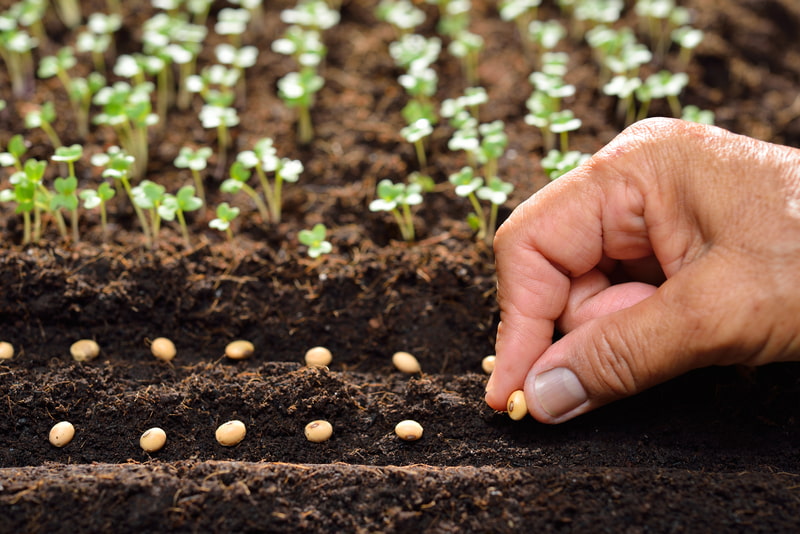
When you first hear about it, growing your sprouts at home sounds like a science experiment. Get your tiny seeds, water, and bowl, and in less than a week, you’ll have fresh sprouts to add more nutrients, flavor, and crunch to your meals.
Sprouts are not just some nutrition fad. Not only are they nutritious, but they can also be grown quickly and affordably. Plus, you don’t need soil or even sunlight, meaning you can get started whether you live in a small apartment or a big house.
Read on to find out why sprouts are good for you, how to grow your own, the best seeds to sprout, and who should be careful with them.
What are sprouts?
Sprouts are young seeds that have just started to germinate. When seeds like alfalfa, lentil, or mung bean are soaked in water and placed in a warm, dark spot, they begin to sprout. During germination, the radicle (root) and plumule (shoot) emerge, forming the first signs of a new plant.
Just before they grow into plants, these germinating seeds are called sprouts, and they are ready to eat. You can sprout many seeds and grains, and each offers its unique flavor and nutritional profile.
Why grow sprouts at home
Budget-friendly
A small bag of your choice of sprouting seeds can last for weeks, giving you several bowls of sprouts. This is much cheaper than buying them every time from the store.
Easy to grow
You don’t need a backyard garden or sunlight to grow your sprouts: just a clean jar, water, and a bit of time. Depending on the seeds, you’ll have your sprouts in five to seven days. It’s like compressing a garden into a small jar by your sink. Better yet, you can grow sprouts in any season, even in deep winter.
You are in control
Sprouting at home allows you to decide what to grow, how to care for it, and when they are ready. Some people like to harvest them as soon as they sprout, others wait for a day or two. Additionally, you can be sure that you’re not consuming old sprouts, pesticides, or any preservatives.
Fun and educational
As mentioned, growing sprouts is akin to a science project for both adults and children. Watching them germinate can be a lesson on how simple (and satisfying) fresh food can be.

Health benefits of sprouts
Full of minerals and vitamins
Sprouts are rich in essential nutrients that enable the plant to flourish as it matures. So, they are packed with vitamins C, K, E, and B. These are beneficial for various purposes, including improved immunity, blood clotting, and healthy skin. On top of that, you get minerals like iron, potassium, zinc, magnesium, and phosphorus.
Packed with antioxidants
Sprouted seeds are rich in antioxidants. These are compounds that combat damage from molecules called free radicals. This may lower your risk of certain diseases, such as arthritis and age-related macular degeneration (AMD), and slow the signs of aging.
Aids digestion
Once you grow your own, you’ll have a reliable source of fiber on hand to keep your digestive system functioning well. Sprouts also contain natural enzymes that can aid in breaking down food and enhancing the absorption of nutrients.
Blood sugar control
Some researchers have suggested that consuming sprouts, particularly those from beans and lentils, may enhance insulin response and aid in lowering blood sugar levels.
If you eat sprouts every day, your diet receives a steady supply of nutrients, antioxidants, and fiber. As long as you store them properly to avoid contamination, you can consume them daily (perhaps by rotating seed types for variety).
What can you sprout
You can sprout a variety of seeds, and it all comes down to your preferred taste, texture, and the optimal sprouting time for the seeds (which typically lasts no more than a week). Here are some of the best seeds for sprouting:
Seeds
- Alfalfa (4-6 days): Light, grassy flavor, which is perfect for sandwiches.
- Broccoli (4-5 days): Slightly spicy, loaded with antioxidants.
- Radish (3-4 days): A peppery kick that adds zest to meals.
- Mustard seeds (4-6 days): Spicy and aromatic.
Legumes
- Mung beans (2-4 days): Mild and crunchy; great in stir-fries and salads.
- Lentils (2-3 days): Earthy flavor, easy to sprout.
- Chickpeas (3-4 days): Nutty taste with a firm bite.
- Green peas (3-5 days): Sweet, crunchy, and kid-friendly.
Grains
- Quinoa (1-2 days): Light crunch with a soft center.
- Buckwheat (2-3 days): Mild and tender texture.
- Wheat berries (3-4 days): Sweet and chewy.
Remember, nuts don’t sprout easily and are typically soaked rather than sprouted. Another thing to consider is using seeds labeled as “sprouting seeds,” because they’ve been tested for food safety. And lastly, some seeds aren’t ideal for sprouting, for example, kidney beans, tomato, eggplant, or rhubarb seeds — they can taste bad or be toxic when eaten raw.

How to sprout your seeds at home
You don’t need fancy tools to sprout your seeds. Start with simple utensils commonly found in every home: a jar, a breathable lid (such as mesh or cheesecloth), water, and seeds.
Rinse and soak
Scoop about 1-2 tablespoons of sprouting seeds into a clean jar. Rinse them well with cool water, then cover with water (just above the seed level) and let them soak for 6-12 hours, depending on the type of seed. Soaking softens the seed’s outer layer, initiating the sprouting process.
Drain and rinse
After soaking (perhaps overnight), drain the water through the cheesecloth or mesh lid. Rinse the seeds again and drain the water thoroughly.
Let the seeds sprout
Place the jar at an angle, upside down, in a bowl or dish rack so that any extra water can drain out. Keep the jar in a dark or shaded spot at room temperature. Don’t forget to repeat the rinsing process two or three times a day (you can do it in the morning and evening to fit it seamlessly into your schedule).
Harvest
You can begin harvesting your sprouted seeds once you see the small shoots and roots (plumule and radicle). This typically occurs between the second and seventh day, depending on the type of seeds. Ensure you give them one final rinse after harvesting.
Store and prepare for the next lot
After rinsing, let them dry and place them in your fridge. Clean and dry your sprouting tools to ensure there are no remnant seeds as you sprout the next batch. You can then repeat the process to have a fresh batch every week. For the harvested lot, consume them within 3-5 days for optimal flavor and crunch. Plus, you’ll have a new supply ready soon.
Remember to keep everything dry to avoid contamination and bacterial growth. Also, never eat sprouted seeds that smell or feel slimy.
How to eat sprouts
There are numerous ways you can add sprouts to plant-based recipes. Toss them into salads, wraps, and sandwiches for added crunch, or add them to soups and grain bowls before serving.
You can also blend mild sprouts, such as alfalfa, into smoothies or sprinkle spicy ones, like radish, on top of eggs or avocado toast. Just ensure their freshness every time before using them.
Who should avoid eating sprouts?
Sprouts’ nutrition is undeniable, but they still can carry harmful bacteria like Salmonella or E. coli, especially when eaten raw. Because of this, vulnerable people, such as younger children, pregnant women, and people with immune disorders, should avoid them.
If you’re unsure, cook them lightly before eating, especially if you experience constipation, bloating, or diarrhea. Lightly steaming, boiling, or roasting may reduce the crunchy profile of your sprouts, but they will remain nutritious and retain their nutritional value.
Conclusion: Small habit with big rewards
Sprouts are small seeds with enormous plant-based benefits. They’re quick, affordable, and can add a new type of flavor to your meals all year round. Whether you’re topping a sandwich or adding crunch to a salad, sprouts are a beginner-friendly way to eat better and fresher.
So give it a try. You’ll be surprised what a handful of seeds, water, and a jar can do.
Follow us on X, Facebook, or Pinterest
