

If good food is the heartbeat of your family, the kitchen is the heart of your home. However, it doesn’t take long before the kitchen becomes a mess. From sticky spills to oil splashes and crumbs in every corner, dirt accumulates over time. Even if you clean as you cook, dirt still finds its way into sneaky spots, such as behind the stove or other corners and gaps.
That’s why deep cleaning matters. It not only gives your kitchen the oomph but also provides you with more space and peace when cooking or accessing items. It’s also about health, because a cleaner room means fewer germs and fresher air when preparing meals.
That said, staring at a messy kitchen can be overwhelming. Where do you start? How do you clean your entire kitchen without using all your free time? Read on to find out how to deep clean your kitchen, the main culprits that make your kitchen dirty, what to grab before you start cleaning, and absolute no-nos when cleaning. Let’s get your kitchen sparkling again.
What makes your kitchen dirty (and why it builds fast)
Your kitchen gets dirty fast because you use it almost every day. Sauces splatter, oils drip, and crumbs scatter on surfaces, especially in places you don’t see. Over time, stains, backsplashes, and grime build up on counters, drawers, and beneath appliances, even with regular cleanups.
Additionally, as dust and other particles in the air mix with spills and other dirt in your kitchen, some surfaces become grimy, while others start emitting foul odors. Even things like switches and cabinet handles collect transferred dirt from different places.
Furthermore, clutter exacerbates the situation in your kitchen. Expired food in your pantry and fridge, misplaced things on the countertop, and overstuffed drawers make it harder to do a quick clean.
The result? A space that doesn’t inspire you to even cook in it. Luckily, once you understand where the mess hides, what to use to remove stains quickly, and quick cleaning tips, cleaning becomes easier.

Must-haves before you begin cleaning
Before you start scrubbing, ensure you have the essential deep cleaning tools to make your job more efficient. You don’t want to have the frustrating and draining pause midway because you don’t have a specific thing at hand.
So, here’s a simple checklist to get you ready:
- Rubber gloves: Prevent skin reaction to strong cleaners or scalding from hot water
- Microfiber clothes and sponges: Protect the surfaces you’re cleaning while being tough on stains
- Old toothbrush or scrub brush: Cleans hard-to-reach areas
- Bucket and mop: Cleans floors and baseboards
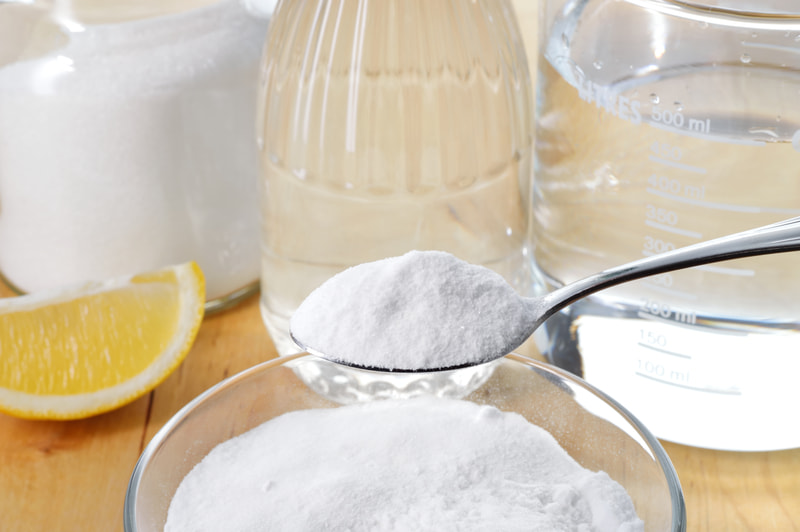
- Baking soda and vinegar: Natural alternatives to strong cleaners
- Bin bags: Clean up clutter and expired foods
- Labels and organizers: Optional tools that can be helpful when organizing your pantry, fridge, and cabinets.
Once you have these essentials, tune in to your favorite podcast or hit your go-to playlist, and you are good to go.
Reliable tips to deep clean fast but thoroughly
Start by going all Marie Kondo
Before you start cleaning, declutter your kitchen. Go through your things, toss expired food, donate gadgets and tools that you never use, and store away those that you won’t be using frequently — or during the new season. Decluttering gives you more space, making it easier to clean surfaces as you move.
Break your kitchen into zones
Breaking down your kitchen into zones can be a psychological boost. Instead of seeing deep cleaning as one daunting task, you divide it into smaller tasks that seem doable. For example, consider zones such as sinks, refrigerators, countertops, stoves, cabinets, and floors. However, you choose to subdivide your task, moving from one task to the next keeps you focused. It also prevents the feeling of being “everywhere but nowhere,” allowing you to clean faster.
Clean top to bottom
Always start with the upper shelves and cabinets, then proceed to the counters and floors. Dust and dirt fall as you clean, and using this method will prevent you from having to redo sections you’ve already cleaned.
Set a timer
Deep cleaning doesn’t need to drag on to the point of burnout. You can set realistic timers per zone to help you stay on track and avoid fatigue. If a timer seems too rigid, you can use your playlist or any other creative way to time yourself. However, remember that the time isn’t set in stone, and you can always add more time per section if needed. Racing the clock is just a way to make it more like a game and help you focus.
Let your cleaners sit
Stubborn stains can make you want to quit, so to save energy and get better results, it’s advisable to let your cleaners sit. Ideally, spray your cleaner and let it sit for a minute before you start scrubbing. This will make cleaning seem effortless.
Use your tools wisely
Everything in your arsenal has a job. A toothbrush can access the nooks and crannies in your kitchen and kitchen appliances. A mix of lemon and vinegar is a natural odor remover. Baking soda lifts stains without scratching. Additionally, microfiber clothes are better cleaners than paper towels. In short, using something for its intended use or finding the best tool for a task makes the work easier and faster.
Don’t forget hidden zones
Deep cleaning is designed to clean areas that we often overlook during our daily cleaning routine. So, clean behind and under your kitchen appliances, tile grouts, and kitchen cabinets. Don’t forget your utensil racks, stove hood filters, pantry shelves, or dustpan as you clean your fridge. Tackling hidden spots may help remove stains and odors that seem to persist, no matter how often you clean.
What not to do when deep cleaning your kitchen
The results of deep cleaning can be satisfying, but some common mistakes can lead to damage or, worse, injury. Here’s what to avoid:
- Avoid using vinegar on natural stone: Although vinegar works wonders in many applications, it can damage granite and marble countertops. The acid wears down the material, making it dull and porous.
- Avoid soaking wooden tools or cutting boards: Excessive water exposure can cause swelling, cracking, or warping. It may also cause mold to grow, so it’s recommended to use lemon, baking soda, or other gentle cleaning methods to clean wooden utensils and kitchen tools.
- Don’t use sharp tools to scrape stains: This sounds like a no-brainer, but you may be tempted to scrape that tough stain utilizing a knife or sharp object once and for all. However, for most stains, a gentle cleaner, soft scrubber, and gentle brushes can do the job — with a little bit of patience.
- Don’t clean appliances while they are plugged in: Always unplug kitchen appliances before deep cleaning to prevent damage and minimize the risk of accidents.
- Don’t move heavy appliances alone: Lifting or dragging heavy objects without help can lead to serious injuries. It may also damage your floor or other things if the object is overhead. Also, ensure you are on a stable step stool when cleaning the upper surfaces.
Avoiding these mistakes helps you clean smarter, not harder.
Conclusion: Make deep cleaning part of a routine
Deep cleaning doesn’t have to steal your whole weekend — or joy. By following a reliable routine, you can complete it quickly and thoroughly. You can also keep things from piling up again by building a simple routine. Wipe spills when they happen (and ask everyone to take responsibility for their mess immediately). Restock and discard expired items from your pantry and fridge every week, and perform a quick cleanup before reloading your fridge with fresh groceries.
For deep cleaning, it is recommended to do it every two to three months. Still, this depends on how often you cook and the traffic in your kitchen. Remember, if you can’t spare an entire day or afternoon for deep cleaning, you can do it in chunks. The fridge today, drawers and cabinets tomorrow, and another evening for the oven or other appliances. Weekends are reserved for larger tasks, such as cleaning the floor.
A clean kitchen isn’t just about the sparkle; it’s about feeling calm and in control in a space that fuels your family.
Follow us on X, Facebook, or Pinterest
