
In life, we often face situations that feel unfair, where others wrong us, and anger or resentment rises within. It is natural to want to retaliate or hold on to grudges, but what if the key to healing lies not in confrontation, but in understanding and gratitude? This ancient Japanese tale of Konoike, the master sake brewer, reveals a profound lesson about karma, forgiveness, and the unexpected ways hardship can bring blessings.
How a bad thing turned out to be a good thing
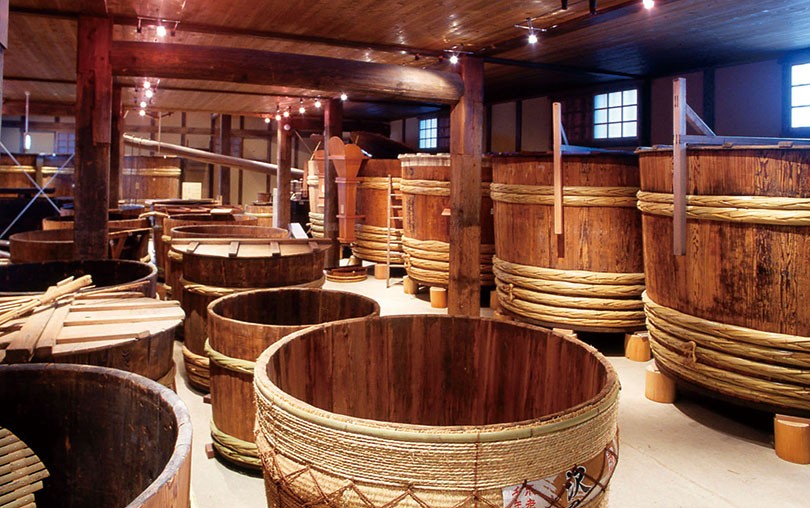
Konoike was the most renowned sake manufacturer in Japan, celebrated for the quality of his brew. One day, while inspecting his brewery, Konoike discovered one of his workers secretly drinking sake. Enraged by the betrayal and waste, he scolded the worker harshly and docked half a month’s wages from his pay.
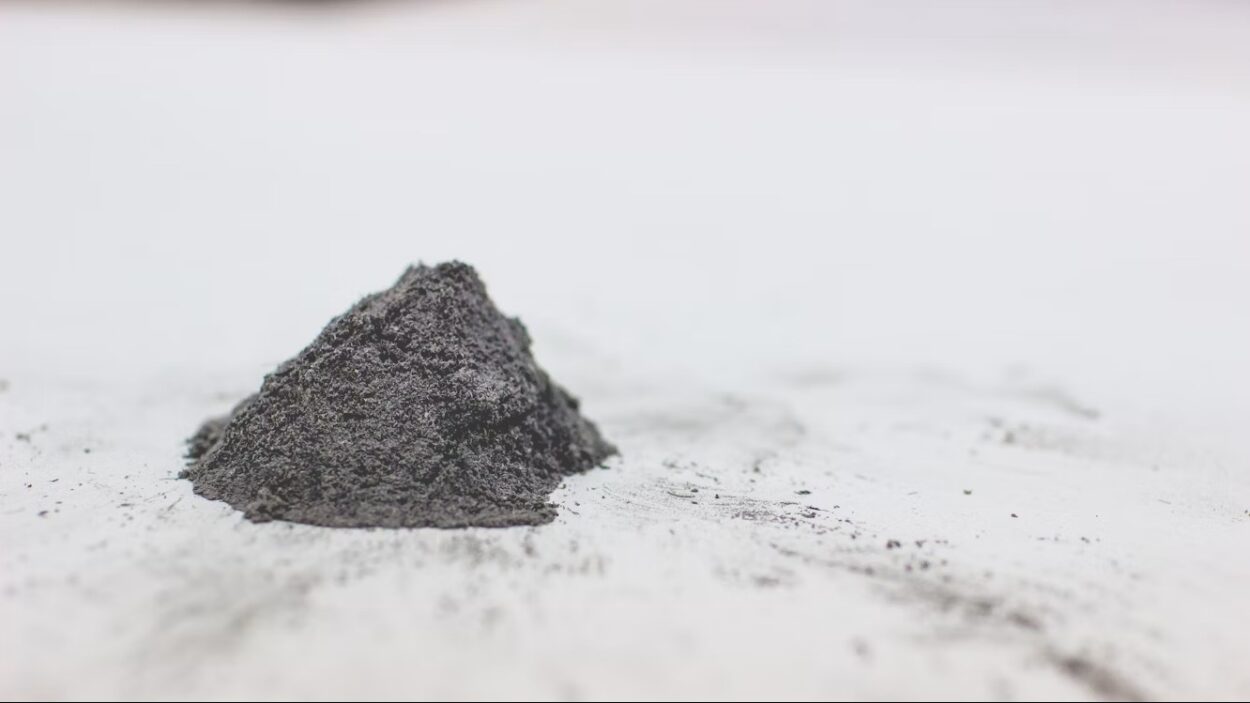
The worker protested, claiming he was merely tasting the new batch to check the flavor. But his protest was ignored, and he was soon dismissed. Burning with resentment, the worker sought revenge before leaving the brewery. In secret, he grabbed a handful of ashes from the furnace and threw them into the sake barrel, hoping to ruin the batch.
The next day, Konoike returned to inspect the brewery. He found ashes scattered on the ground and noticed the same ashes floating in the sake barrel. To his surprise, the ashes had settled at the bottom, and the sake above the sediment had become astonishingly clear and transparent.
Though suspicious of the worker’s mischief, Konoike’s anger dissolved as he observed the purity of the sake. Intrigued, he collected a sample and began researching this unexpected effect. After careful experimentation and refinement, he developed a practical method to purify cloudy sake, creating a crystal-clear brew that became the hallmark of his brand.
The new purified sake quickly gained fame across Japan, and demand soared. In gratitude for the unforeseen gift the worker’s act had brought, Konoike invited him back to continue working at the brewery.
A deeper understanding
People hope to encounter good people and benefactors in their lives; however, due to the complex relationships of life and death — and the karmic debts we may owe — reality often falls short of these expectations.
Some frequently encounter those they dislike or those who deliberately oppose them. How can we resolve these karmic connections? The best way is to view all the people who appear in life with a heart of gratitude, including those we think are not good, as well as those we consider enemies. Such tolerance and compassion can surely resolve all karmic ties.
From this perspective, when encountering benefactors, one should naturally feel grateful and remember the kindness of others, as they mark turning points in one’s life. When encountering those we dislike or who oppose us, there is no need to respond to evil with evil, for they may be providing a rare opportunity to repay a karmic debt!
Rather than reacting with bitterness, blame, or revenge, embrace every person and situation with gratitude — this is the best way to resolve karmic ties. Why? Because every interaction, even those that feel painful or unjust, holds the potential to teach, transform, and clear the obstacles in our lives.
The ashes thrown into the sake barrel symbolize the challenges and conflicts we face — initially seeming destructive, yet eventually settling to reveal clarity and purity when one looks deeper within. When we respond to life’s difficulties with patience and a mind that seeks the lesson or the good in every situation, rather than resorting to anger and blame, we dissolve the karmic ties that bind us to suffering.
So the next time you face a difficult situation, instead of seeing the person as an enemy, try to view them as a teacher — offering valuable lessons and an opportunity to repay what you owe.

The lesson
The tale of Konoike and the ashes teaches us that karmic ties, no matter how tangled or painful, can be resolved through gratitude, compassion, and a willingness to see beyond surface appearances. Life will not always unfold as we expect, but every hardship carries a hidden gift. When we greet each challenge and each person with an open heart, we transform obstacles into opportunities for healing and growth.
In the end, it is not the bitterness of revenge that purifies our spirit, but the courage to forgive, the grace to be thankful, and the wisdom to embrace all who cross our path. Like the sake, our lives can become clear and radiant — even through the ashes of adversity.
Translated by Joseph Wu and edited by Tatiana Denning
Follow us on X, Facebook, or Pinterest
