
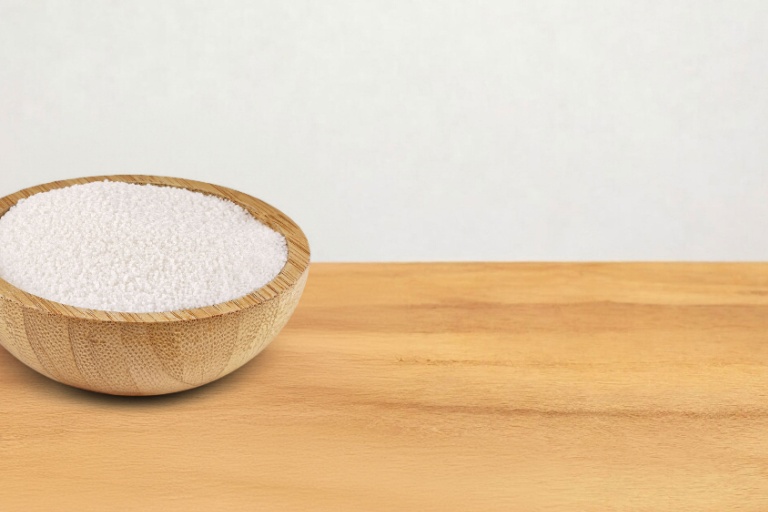
It begins with a question whispered in forums, in comment threads, in small communities: could something as simple as borax — a white, mineral salt often used for cleaning — be quietly curative? More specifically, might borax help remove fluoride from the body, reduce inflammation, and alleviate arthritis symptoms? To some, this is no fringe theory but a suppressed remedy. To others, it is yet another unproven claim, even hazardous. Between these poles lies a complex landscape of evidence, opinion, fear, and hope.
Context: Borax and fluoride, arthritis, and the appeal of simple remedies
Fluoride is ubiquitous. It occurs naturally in many water sources; it is added to some public water supplies; it is found in toothpaste and other dental products. For decades, public health agencies have endorsed controlled fluoride exposure for preventing tooth decay. Still, concerns have been raised about excessive fluoride causing dental fluorosis, skeletal effects, and possibly neurological or endocrine consequences in specific settings with high exposure.
Borax (sodium tetraborate) is a compound of boron, sodium, and oxygen, historically used in cleaning, insecticides, glass, and metallurgy. Some online communities and alternative-health advocates claim that borax has medicinal qualities: that boron, from borax, may counteract fluoride toxicity; that it can reduce inflammation; that it might help “detox” joints, relieve arthritis symptoms; sometimes, that regulatory bodies or “Big Pharma” suppress this knowledge.
The allure of such claims is understandable: arthritis and chronic inflammation are widespread and debilitating. Conventional treatments are imperfect, sometimes costly, and sometimes carry side effects. When someone hears that a cheap, common mineral might help, it can seem worth investigating — and indeed, people do, especially when conventional medicine offers only partial relief.
Evidence in favor: What supports the claims
Although many claims circulate on blogs, social media, and informal health forums, some scientific studies and observations suggest some plausible mechanisms and modest effects. Here are several:
- Animal experiments and veterinary studies: A study on buffalo calves fed a high-fluoride diet found that adding borax (i.e., boron) improved several blood mineral parameters, reduced specific toxic effects of fluoride, and increased the excretion of fluoride via feces. Another experiment with sheep: In the impact of sodium borate and sodium bicarbonate upon fluoride metabolism of sheep, researchers observed that sodium borate administration increased fluoride output (especially via feces) and temporarily reduced serum fluoride concentration. These findings suggest that under specific dietary conditions, boron compounds can affect the processing of fluoride in non-human mammals.
- Adsorption, water treatment, and defluoridation research: Some studies show that materials treated with borax (e.g., borax-treated dolomite) can help remove fluoride from water via adsorption processes. For example, the “borax-treated dolomite” study reported fluoride removal percentages between ~64-82 percent under favorable lab conditions.
However, this is different from ingesting borax to remove fluoride already inside the body; it is about treating water. Still, it contributes to the belief that borax has a chemical affinity that might plausibly be leveraged. - Theoretical/mechanistic plausibility: Some of the supporters point to boron’s known roles in bone metabolism, in mineral homeostasis (e.g., calcium, phosphorus), and modest anti-inflammatory effects in animal models. If fluoride in excess disrupts mineral balance, and boron helps regulate minerals, then it’s plausible there could be interactions.
Also, the idea that something can increase excretion of fluoride — by shifting it to fecal vs urinary routes — has been shown in animal studies. The sheep and buffalo studies are often cited in this context.
Evidence against, risks, and criticisms: What is weak or misleading
For every study or anecdote in favor, there are counterarguments. They don’t always completely disprove the claims, but they indicate serious gaps, uncertainties, and risks.
- Human data are sparse, methodologically weak, or absent. While animal studies show benefits, there is very little reliable evidence in humans. No large randomized clinical trials have clearly demonstrated that borax ingestion reduces fluoride burden in people or reliably treats arthritis or chronic inflammation. Much of what is cited by supporters comes from anecdote or uncontrolled observations.
- Toxicity and safety concerns: Research and poison control sources warn that borax (and boric acid) can be harmful. For example:
- A review titled, “Toxicity of Boric Acid, Borax and Other Boron-Containing Compounds” finds that high exposure — especially oral ingestion — can lead to adverse effects: gastrointestinal distress, kidney damage, reproductive toxicity in animals, etc.
- Michigan Medicine notes that “Borax is not safe to consume,” pointing to case reports of acute poisoning, multi-organ damage, and kidney failure.
- The Ohio State University Wexner Medical Center warns that borax ingestion is dangerous and that even though boron has beneficial roles, borax is not a safe source.
- Dosage problems and balancing risk vs benefit: Even in studies showing effects in animals, the doses used (relative to body weight) are often far above what humans would ingest, or are given in controlled conditions that do not reflect the complexity of human exposure (diet, other minerals, kidney function, etc.). Some experiments show only temporary or modest changes in fluoride levels, and they do not show lasting clinical improvements in human health outcomes, such as pain, joint function, or inflammation markers.
- Overgeneralization, extrapolation, and misinterpretation: The fact that borax-treated materials can remove fluoride from water is sometimes conflated with the claim that consuming borax will remove fluoride from the human body. These are different chemical and physiological processes. Additionally, specific anecdotal reports rely on correlation: for example, people feel better after taking borax, so it must be effective. But placebo effects, regression to the mean, dietary changes, and other confounders are rarely ruled out.
- Regulatory and official health-body positions: Major health authorities do not endorse borax as a treatment for fluoride toxicity or arthritis. Borax is not approved for ingestion as a medicinal product in many jurisdictions. Its labeling as toxic for reproduction in the EU under REACH, for example, shows that regulatory systems treat it with caution.
Competing perspectives: Ethics, hidden concerns, skepticism
For advocates of the borax remedy, the belief often comes from a sense of mistrust in mainstream institutions. Some argue that pharmaceutical companies, regulatory agencies, and large academic institutions may have conflicts of interest, that studies are underfunded or suppressed, and that natural remedies are often overlooked in favor of patentable drugs. They frequently argue that because borax is cheap, openly available, and not under heavy patent, there is little financial incentive to research or promote it.
Another concern is ethics: If indeed there are harms from fluoride exposure (especially in places with high environmental fluoride, or in communities without clean water), then there is a moral duty to explore inexpensive mitigations — including borax. Additionally, for people suffering from inflammation or arthritis, conventional treatments may have side effects (NSAIDs, steroids, biologics), cost burdens, or limited efficacy. That can lead patients to seek alternatives and to favour remedies with anecdotal success.
On the other hand, skepticism is rooted in scientific caution: Skepticism here is not born of cynicism but of scientific caution. The possibility of harm is not abstract: once a substance is ingested systemically, it can affect every organ system — including the kidneys, liver, reproductive pathways, and even neurological function. Toxicology has a long memory, and borax is not without its darker pages. Documented cases exist of poisoning, sometimes severe, reminding us of the old maxim: the dose makes the poison.
Equally pressing is the thinness of the data. Animal studies, functional though they are, remain stepping-stones rather than destinations. They can suggest mechanisms, raise questions, or even inspire therapeutic hunches — but they cannot, by themselves, establish that a compound is safe or effective in humans. What is missing are the gold standards of modern medicine: placebo-controlled human trials, conducted with rigor and replicated across populations. Mechanistic plausibility alone has led to too many false cures entering the public imagination.
Compounding the problem is the way borax circulates outside of formal medical channels. Homemade protocols — passed along in forums, whispered in Facebook groups, scribbled on wellness blogs — carry a built-in risk of misdosing or contamination. Without clear dosing guidelines, pharmaceutical-grade purity, or professional oversight, the margin for error widens. What looks like a small scoop of powder in a kitchen spoon may carry consequences the body cannot quietly absorb.
For regulatory bodies, the stance against borax is not a conspiracy, but a calculus. Agencies weigh the absence of proven benefit against the documented risks, layering on the legal and toxicological evidence that accumulates over decades. Their conclusion is consistent: caution is not suppression, but protection.
Broader cultural and political implications
This debate over borax, fluoride, and arthritis is emblematic of larger tensions in contemporary culture:
- Power, trust, and authority in science and medicine: Who gets to decide what treatments are credible? When and how do institutions communicate risk? Where there is a lack of clarity, mistrust thrives. The rise of social media means people can share personal testimonials widely, which may carry more emotional weight than dry scientific papers. Meanwhile, regulatory and medical authorities can seem distant or dismissive to those suffering.
- Ethics of access and inequality: Conditions like arthritis and chronic inflammation disproportionately affect populations with limited access to healthcare. If truly effective, cheap remedies could make a difference in underserved areas. Conversely, unproven remedies can create false hope, drain resources, or even cause harm, which also has an ethical dimension.
- Science communication, media framing, and misinformation: Claims about “pulling fluoride out” may be oversimplified or sensationalized. Words like “detox,” “hidden remedy,” or “suppressed knowledge” are powerful, but they can also mislead. Media (both mainstream and social) often frame things dichotomously: miracle cure or quackery. That framing often fails to capture the nuance of experimental evidence, risk, and the cost-benefit balance.
- Regulatory and industrial interests: The skepticism of some proponents toward institutions is not entirely unfounded: historical examples exist of research being influenced by vested interests. On the other hand, regulation (drug approval, chemical safety) has evolved precisely because of past harms. The balance between innovation in alternative remedies and ensuring safety is a delicate one.
- The role of anecdote in health beliefs: Anecdotes are persuasive — someone says that after using borax, their arthritis pain decreased, or they felt less stiff. Such stories shape belief, sometimes more powerfully than statistics. They can prompt profound scientific curiosity, but they must be tested.
Balancing the evidence: Where things stand
At this point, the evidence suggests that there is modest support from animal studies indicating boron (as in borax) can alter fluoride absorption, excretion, or mitigate some effects of fluoride in non-human subjects.
Much of the intrigue around borax begins in the laboratory, not the clinic. Animal studies — rodents, mostly — have shown curious hints: shifts in fluoride absorption, altered excretion pathways, even partial mitigation of fluoride’s toxic effects in tissues. In toxicology, such findings are a spark, not a conclusion. They suggest a biochemical plausibility but stop far short of prescribing practice.
History offers a cautionary tale: countless compounds that looked promising in animal models collapsed under the scrutiny of human trials. Still, these preliminary glimpses carry weight in a cultural landscape eager for natural correctives to industrial exposures. For some, borax is not just a mineral salt — it’s imagined as a counter-agent to a modern world oversaturated with chemicals. But plausibility in a lab cage does not guarantee relief in a human body, and this is where the conversation shifts — from what borax does in animals to what it may, or may not, do for people living with chronic pain.
There is some plausibility for anti-inflammatory benefits of boron, but the human clinical evidence for arthritis relief via borax is fragile. Here, anecdote collides with the slow grind of science. Boron itself, an essential trace mineral, plays roles in bone health, hormone regulation, and inflammatory pathways. Small clinical studies hint at benefits for joint health, leading some advocates to leap toward borax as a home remedy for arthritis. Yet the leap is a wide one. The studies often cited are limited, methodologically shaky, or conflated with broader dietary boron intake rather than borax ingestion.
The allure remains powerful: a cheap, simple powder that promises relief where expensive pharmaceuticals fail. But the human evidence is thin, like reading tea leaves with only half a cup poured. For every arthritis sufferer who swears by it, there remains the larger question: is this relief biochemical, placebo, or simply a coincidence? Yet the dream of an inexpensive cure collides with a more complex truth: while the benefits remain uncertain, the dangers of misuse are far more clearly mapped.
The risks are real and documented: ingestion of borax (especially in high doses or over time) can cause harmful effects from gastrointestinal distress to kidney damage, reproductive toxicity, or worse. Regulatory agencies and medical schools generally do not endorse borax as a safe medical treatment.
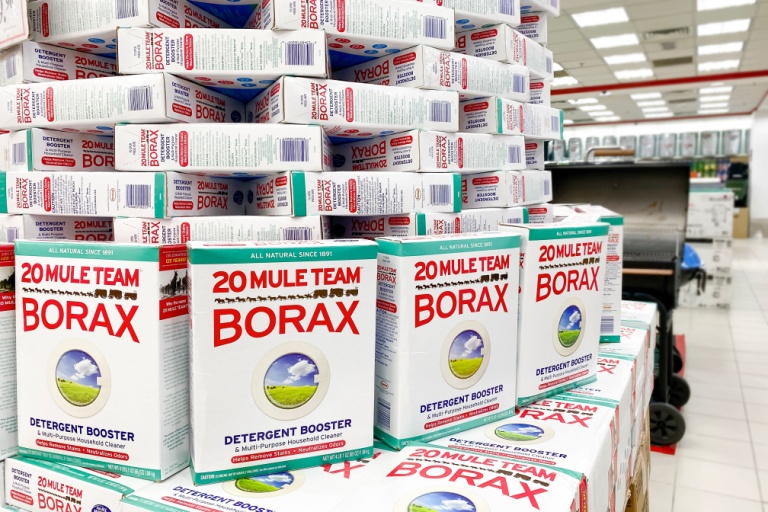
The danger with borax is not hypothetical — it’s spelled out in toxicology reports and regulatory rulings. Ingest enough, and the outcomes are not ambiguous: nausea, vomiting, kidney injury, reproductive harm, in some cases even fatalities. Borax is widely used in detergents and industrial applications, which is part of the problem — its ubiquity makes it seem deceptively domestic, even safe. However, being safe for cleaning laundry does not necessarily mean it is safe for long-term ingestion.
Regulatory agencies, from the European Chemicals Agency to the U.S. FDA, have placed it firmly outside the category of approved remedies. The medical establishment, for all its bureaucracy and occasional conservatism, draws clear lines here. And the line around borax is not blurred: the risks outweigh the evidence of benefit.
And so we arrive at the absolute absence in this debate — not just proof of harm or benefit, but the careful, methodical human trials that might finally separate speculation from science. The gap is human trials with rigorous methodology, clearer dosages, long-term safety data, and replication. Also, distinguishing between external uses, food-grade exposure, dietary boron intake, and self-medication with borax is essential.
Science advances on the bridge between plausibility and proof, and that bridge is built with human trials. What borax lacks are the kinds of studies that can survive peer review: randomized, double-blind, controlled, repeated. Without them, debates remain fueled by anecdotes, suspicion, and YouTube testimonials. Another missing piece is clarity: “boron” is not the same as “borax,” dietary trace intake is not the same as laundry additive, and topical or incidental exposure is not the same as deliberate ingestion.
These distinctions matter, yet they are often flattened in online discussions. The result is a noisy landscape where speculation thrives and cautionary nuance gets lost. Until rigorous trials are conducted — and perhaps they never will be — the gap will remain, and with it, the tension between what people hope is true and what science is prepared to endorse.

Ethical, philosophical reflection: What we owe each other in health claims
Beyond the factual claims, this issue raises more profound questions: What is the ethical responsibility of doctors, regulators, and scientists when people adopt remedies outside the mainstream medical system? To warn, to study, to regulate?
The question is not new. For centuries, healers and authorities have circled the same dilemma: what should be done when patients, driven by desperation or distrust, seek alternatives to sanctioned medicine? In the nineteenth century, when homeopathy surged across Europe and America, the established medical profession condemned it as quackery. Yet some patients swore by its gentler treatments, especially when orthodox medicine’s tools were leeches and mercury. The tension echoes today in debates around supplements, detox regimens, or experimental therapies.
Doctors walk a tightrope — bound by their oath to “not harm,” yet confronted with patients who insist on pursuing their own paths. Regulators, for their part, must strike a balance between public safety and individual freedom. Scientists, meanwhile, face the pressure of whether to study what is popular — even if it seems implausible — because ignoring it leaves a vacuum where misinformation thrives.
What is the moral weight of anecdote vs statistical evidence, especially when suffering is immediate, and conventional treatments seem unsatisfactory?
A single story can move mountains in public opinion. One parent describing a child’s recovery after a folk remedy can outweigh dozens of clinical trials in the court of everyday persuasion. The paradox is that anecdotes are both dangerously unreliable and profoundly human: we live our lives one story at a time, not in the aggregated rows of a spreadsheet. Yet science depends on large numbers, controls, and reproducibility. To a patient in pain, however, waiting years for peer-reviewed consensus may feel like a luxury.
The moral weight of the anecdote lies in its immediacy — it humanizes suffering and highlights blind spots in mainstream medicine — but its weakness is in its fragility. We must ask: should desperate testimony be enough to shift policy or research agendas? Or is the task of science precisely to resist the emotional pull of the single case, even at the risk of appearing cold?
How should scientific uncertainty be communicated? When claims are possible but not proven, what is responsible messaging so as neither to give false hope nor to suppress genuine innovation?
Science, unlike politics, rarely deals in absolutes. The language of uncertainty — “may,” “might,” “suggests” — is its native tongue. Yet this hedging often frustrates the public, who long for definitive answers. During the COVID-19 pandemic, we saw the communication challenge play out in real time: Masks were first dismissed, then mandated; treatments were hyped, then discredited; vaccines were rolled out amid both triumph and suspicion.
The dance between caution and conviction is delicate — too much optimism and false hope flourish, leading to dangerous overconfidence. Too much skepticism, and genuine progress is buried before it blooms. Responsible messaging requires humility, a willingness to admit what is unknown, and a kind of moral clarity: science is not prophecy, but process. The way uncertainty is framed can shape whether societies embrace innovation or retreat into cynicism.
What does power look like in these debates: who controls funding, who decides what gets researched, who gets heard?
Behind every medical breakthrough — or every neglected remedy — there are politics of attention and money. Funding bodies, often influenced by pharmaceutical interests, decide which questions are worth pursuing. Journals and universities decide whose voices are amplified and whose are dismissed as fringe. Patients with privilege may fund their own experimental journeys, while others are left to the mercy of whatever is available on the shelf at the local pharmacy. In this sense, health debates are never purely scientific — they are battles over legitimacy, access, and narrative.
Consider how cannabis went from criminalized narcotic to medical miracle in less than a generation, mainly because cultural pressure forced research institutions to catch up with lived reality. Or how rare diseases struggle to gain funding until celebrity or political lobbying shifts the spotlight. Power, in health debates, is not just about knowledge — it’s about gatekeeping, about who sets the agenda, and about whose suffering counts enough to merit attention.
Conclusion: Weighing the possibility against precaution
Borax as a remedy for fluoride burden, inflammation, or arthritis is one of those ideas that hover between promise and peril. On the one hand, people suffering from chronic conditions are often motivated by hope, and modest scientific findings in animals do give reasons to take some claims seriously. On the other hand, ingestion of borax carries risk; human data are inadequate; regulation and health agencies warn against unsupervised use.
Perhaps the best stance is neither a wholehearted embrace nor outright dismissal, but rather a cautious inquiry — one that involves rigorous research, transparency, and ethical clarity. If borax is to be validated as an effective treatment, it must prove safe and effective in humans at known dosages and under proper oversight. Until then, each individual faced with arthritis or concern about fluoride must weigh the evidence, consider risk, consult qualified medical advice, and decide whether the possibility of benefit is worth the risk of harm.
Follow us on X, Facebook, or Pinterest
