
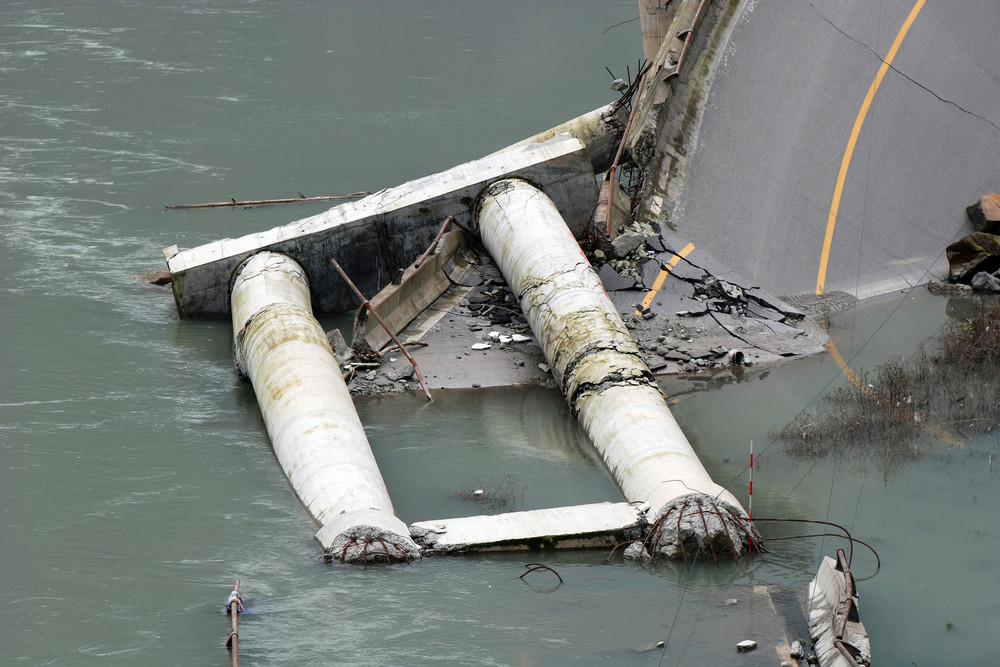
Traditional Chinese thought treated natural disasters as moral signals rather than accidents of nature. Seen as Heaven’s warnings, they prompted self-examination among those who governed and society as a whole. The sections that follow outline the symbols attached to major calamities and their implications today.
Floods: Greed unbound and the art of governance
Among ancient China’s most frequent and destructive calamities, floods shaped both history and statecraft. In Shang Shu: Yu Gong, Da Yu’s achievement is framed not as brute resistance but as wise alignment with nature: he “guided the waters back to the sea,” diverting and channeling rather than blocking.
In Records of the Grand Historian: Annals of Xia, the contrast is explicit: Gong Gong tried to dam the waters with force, leading to “floods overwhelming the Heavens,” while Da Yu worked “with the nature of water” and succeeded. In cultural symbolism, floods came to stand for greed unrestrained and hearts out of order; flood control, in turn, meant restoring order through virtue — governing by moral example rather than coercion.
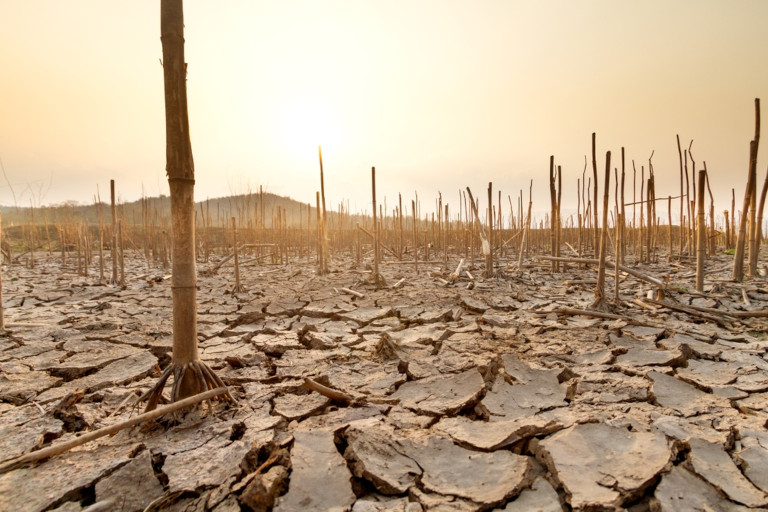
Droughts: Overreach, imbalance, and the call to conserve
Droughts often carried the sense of “Heaven’s censure.” The line “The proud dragon has regrets” from the Book of Changes (Qian hexagram) is frequently cited to express this idea: Unchecked ascent and boastfulness inevitably lead to remorse.
Symbolically, droughts signaled natural imbalance and the consequences of excessive extraction — rulers taking too much, societies consuming beyond measure. At the popular level, drought-inspired rituals such as offerings and prayers for rain form a tradition of “meeting drought with rites.” At its core lay the same principle: cultivate virtue to answer Heaven.
Earthquakes: Shaken foundations and political warning
Classically called “earth movements,” earthquakes struck without warning, and were read as omens that a state’s foundations were unstable. In this view, quakes were not mere tremors but messages to those in power.
Historically, emperors responded with public contrition — “reducing meals and music,” issuing edicts of self-blame, and observing fasts. The practice endured well into the Qing Dynasty: Emperors such as Shunzhi, Kangxi, and Yongzheng held “fasts and self-reflection” after earthquakes. The lesson was consistent: when the ground heaves, rulers must rectify themselves and govern with integrity.
Plagues: Shared karma, lost virtue, and public resentment
Epidemics were linked to more than climate and contagion. The Book of the Later Han: Treatise on Five Elements says: “The spread of epidemic qi arises from failure in governance above and resentment among the people below.” In other words, disease reflected troubled hearts and social disorder.
With Buddhism’s spread, the concepts of “karma” and “shared karma” deepened this lens: widespread illness was viewed as the perceived result of collective conduct. When people restrain moral decline and practice goodness, the causes that sustain plagues weaken and dissipate.
How Confucianism, Daoism, and Buddhism read disasters
- Confucianism treats disasters as Heaven’s admonition, pressing rulers to cultivate virtue and enact just governance.
- Daoism views disasters as signs of disorder in the natural way, urging humility, non-recklessness, and alignment with the Dao.
- Buddhism emphasizes causality and shared karma: Disasters arise from collective actions and are transformed through moral cultivation and good deeds.
What this asks of society today
Across these traditions, one thread runs constant: Disasters touch nature, but they also touch conscience and social order. Applied today, this implies a moral responsibility on the part of both governments and communities — to safeguard livelihoods, act with restraint, and avoid exacerbating crises through corruption, negligence, or greed.
Summary
In traditional Chinese culture, floods symbolize greed gone too far, droughts warn against overreach and imbalance, earthquakes question the stability of rule, and plagues expose disorder in the heart and society. Disasters, then, are not only natural events but mirrors of politics and morality — Heaven’s warnings inviting self-correction.
Contemporary implications
Three takeaways follow from the classical view:
- Revere the divine and Heaven. The language of “Heaven’s warning” cautions against reckless action and forgetfulness of consequence.
- Raise social morality. Confucian governance by virtue and Buddhist causality both stress responsibility and inner reform.
- Name proximate causes. In modern China, the Chinese Communist Party’s persecution of spiritual practitioners and religious groups, its destruction of traditional culture, and its environmental harms are seen by many as sources of the nation’s moral “karma,” and thus linked to disaster.
Translated by Joseph Wu
Follow us on X, Facebook, or Pinterest
