
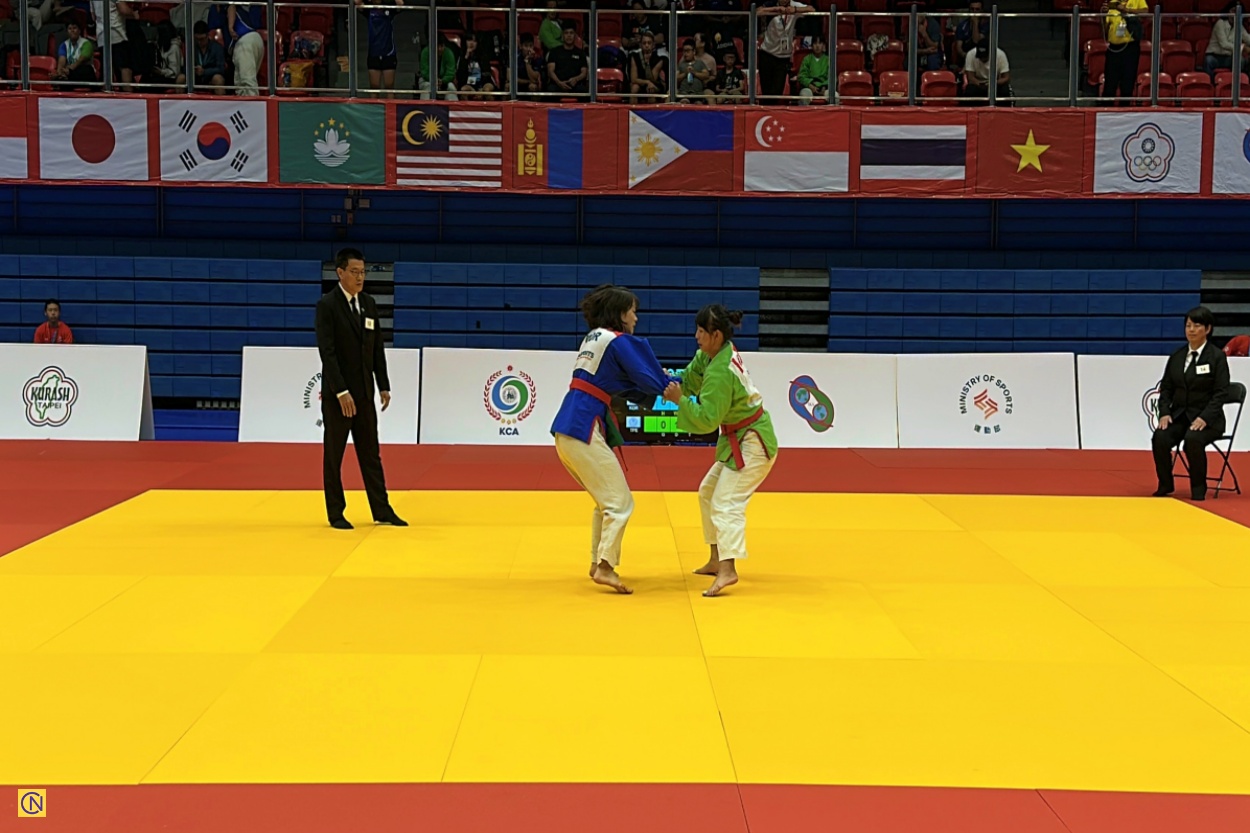
Kurash may sound unfamiliar to many, but in Central Asia, it has been cherished for millennia as both a sport and a cultural tradition. Originating in what is now Uzbekistan more than 3,500 years ago, it is one of the oldest known forms of wrestling and remains deeply tied to the region’s identity.
What is Kurash?
In the Uzbek language, the word “Kurash” means “to fairly achieve the goal.” This principle lies at the heart of the sport, which values fair play, honesty, and respect. Unlike many forms of wrestling, Kurash avoids painful submission holds or attacks below the belt, focusing instead on skillful throws and upright combat.
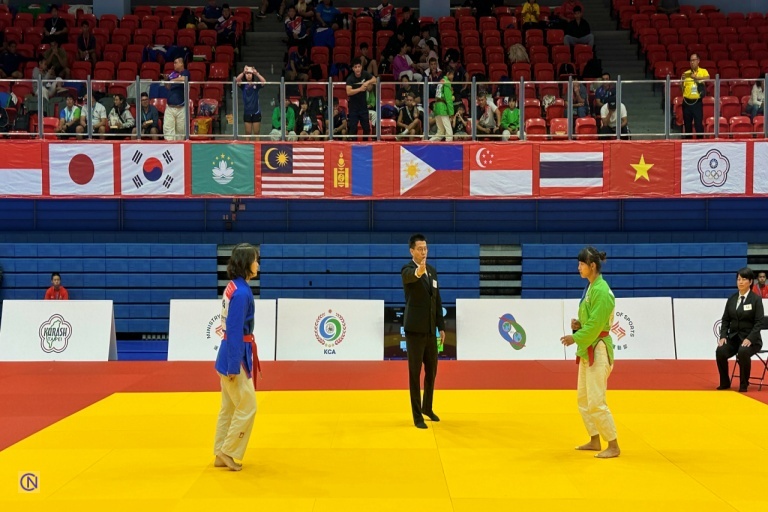
Kurash is a jacket-wrestling discipline where competitors aim to throw their opponents cleanly onto their backs with speed, force, and control. Grabbing the legs or pants is strictly prohibited. Each match begins with a respectful salutation called Ta’zim, symbolizing the sport’s emphasis on honor. Historically, Kurash was not only a martial art, but also a highlight of weddings, festivals, and public gatherings. Today, it has evolved into an internationally recognized competitive sport.
Kurash vs. Judo
Kurash is often compared with Judo, as both involve jacket grips and throwing techniques. Yet, their approaches differ significantly. Kurash is contested entirely from a standing position — no ground fighting, pins, or submissions are allowed — whereas Judo incorporates extensive groundwork.
Additionally, Kurash forbids leg grabs and arm locks, focusing exclusively on upright throws, while Judo permits a wider variety of techniques. Despite these differences, many judokas train in Kurash to refine their throwing skills, as the two disciplines share a common spirit of discipline and respect.
2025 East & Southeast Asia Kurash Championships
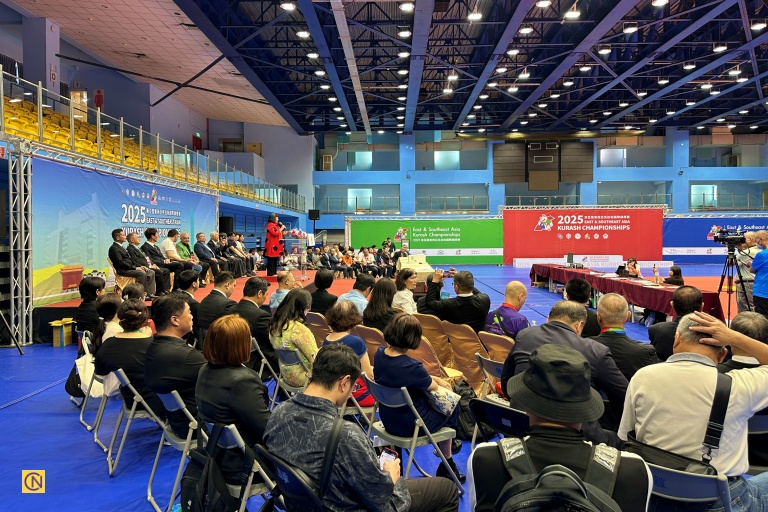
For the first time, Taiwan hosted the East & Southeast Asia Kurash Championships, held from September 30 to October 1, 2025, at the Taipei Gymnasium. Athletes from 12 countries or regions — including Taiwan, Japan, South Korea, Uzbekistan, the Philippines, Singapore, Thailand, Vietnam, Indonesia, Iran, Hong Kong, and Macau — gathered to test their skills and strengthen international friendships.
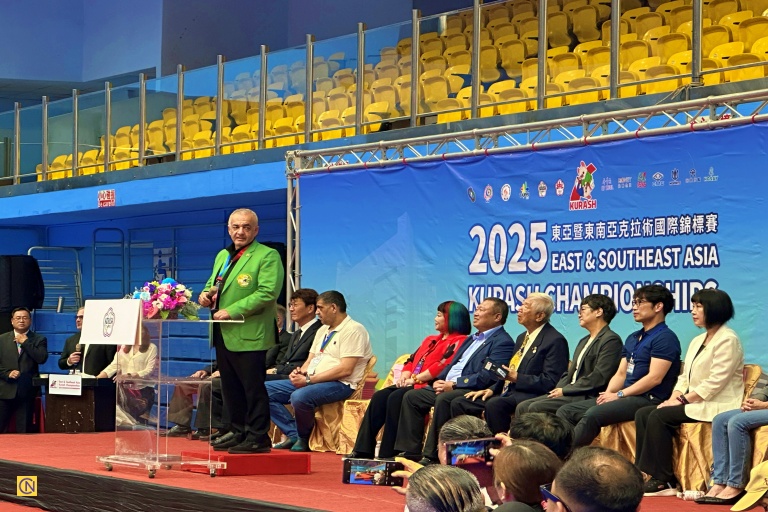
Ceremony highlights of the Kurash Championships
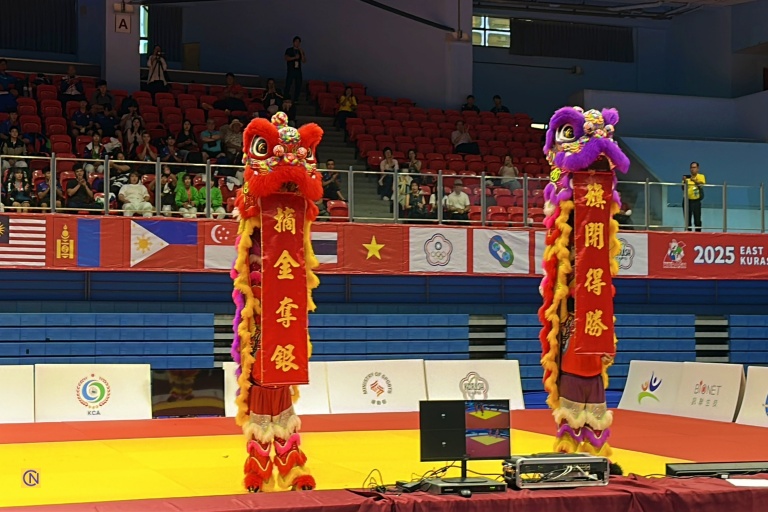
The Opening Ceremony on September 30 brought both tradition and energy to the stage. Audiences were treated to exhilarating performances, including a powerful drumming display, the lively “Third Prince” (三太子 San-Tai-Zi) dance, and a dynamic lion dance.
One of the most memorable moments was when Reza Nassiri, Secretary General of the International Kurash Association (IKA), presented distinguished guests with ornate traditional Uzbek Kurash robes — a gesture that symbolized the sport’s deep cultural roots.
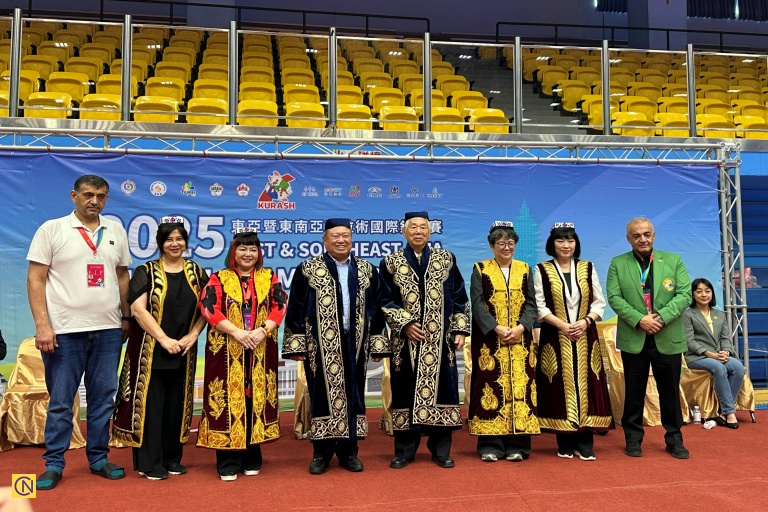
The event drew an impressive roster of dignitaries, underscoring its significance. Among them were Hong-Dow Lin, President of the Chinese Taipei Olympic Committee; Han-Dong Chang, Honorary President of the ROC Kurash Association; Martín Torres Gutiérrez Rubio, Representative of Mexico to Taiwan; as well as high-ranking Kurash officials from across Asia and local government representatives.
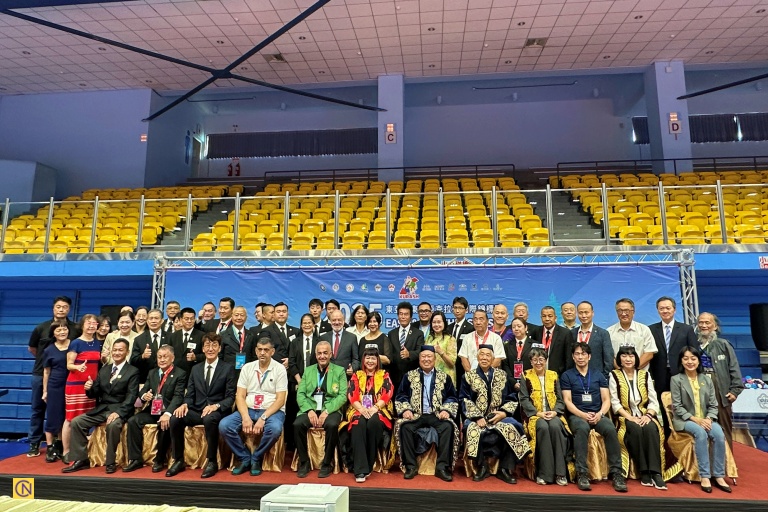
A successful conclusion to the Kurash Championships
The 2025 East & Southeast Asia Kurash Championships not only showcased the rich heritage of this ancient martial art, but also brought together athletes from across the region in the spirit of friendship and fair play. After two days of intense competition, the event concluded successfully at the Taipei Gymnasium. The host team from Taiwan delivered an outstanding performance, emerging as the tournament’s biggest winner with an impressive total of 11 gold, 4 silver, and 14 bronze medals. This remarkable achievement reflects the growing popularity of Kurash in Taiwan and its increasing recognition on the international stage.
Follow us on X, Facebook, or Pinterest
