
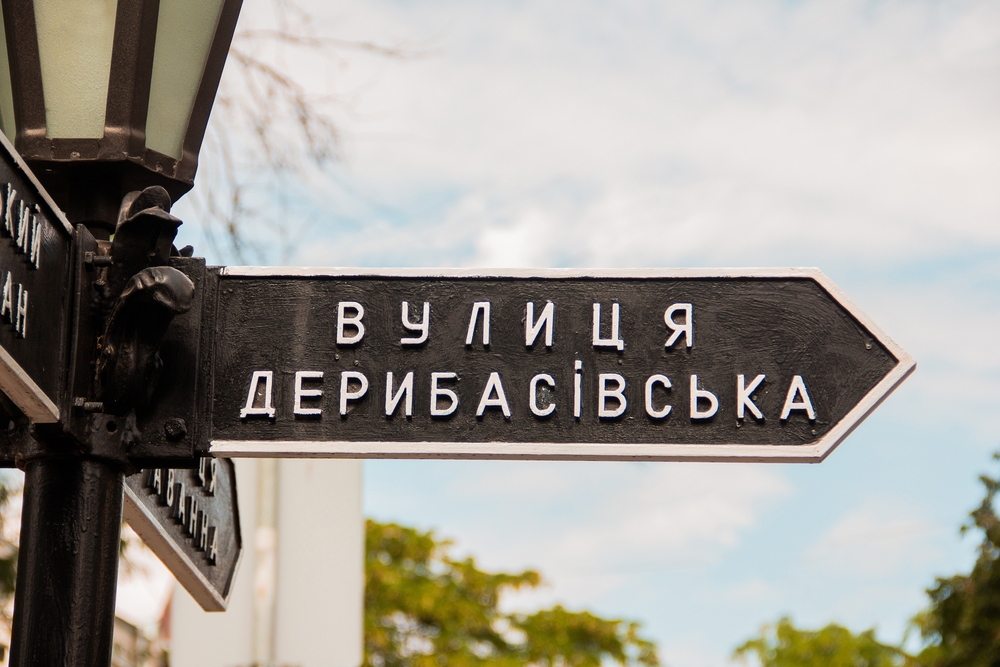
What began for Zhang Yupu as a shocking discovery — that his Communist Party membership carries stigma abroad — has been written on the streets of former communist nations for decades. His personal awakening, from unquestioning member to disillusioned observer, mirrors how many countries have dismantled the symbols and structures of their communist past. From Ukraine’s “Leninfall,” which swept away statues and names, to the dramatic fall of the Berlin Wall, public spaces and legal codes have been reshaped to mark a clean break with repression.
Laws that strip communism of legitimacy
In 2015, Ukraine passed a decommunization law requiring the removal or renaming of communist-era symbols, including statues, slogans, and place names. The Communist Party of Ukraine was also ordered to be dissolved.
On July 17, 2025, Czech President Petr Pavel signed a law prohibiting the promotion of communism, equating it with already-banned Nazi ideology. The measure states that anyone who establishes, supports, or propagates Nazism, communism, or similar movements that aim to suppress human rights and freedoms — or incite racial, ethnic, national, religious, or class hatred — can face prison terms, with higher penalties for organized activity.
Statues toppled to mark a break with the past
The collapse of the Communist Party of the Soviet Union reshaped Eastern Europe, and public monuments became a visible barometer of that change. During Ukraine’s 2013-2014 pro-EU protests, the toppling of Lenin statues — nicknamed “Leninopad” or “Leninfall” — emerged as a symbol of rejecting Soviet domination.
From Kyiv and Kharkiv to Zaporizhzhia, Lenin monuments were removed; hundreds fell across the country, and similar removals extended from Armenia and Romania to parts of Central Asia and Mongolia. In the Baltic states, Poland, and Hungary, Lenin statues largely disappeared, and roads and squares that once bore his name were renamed.
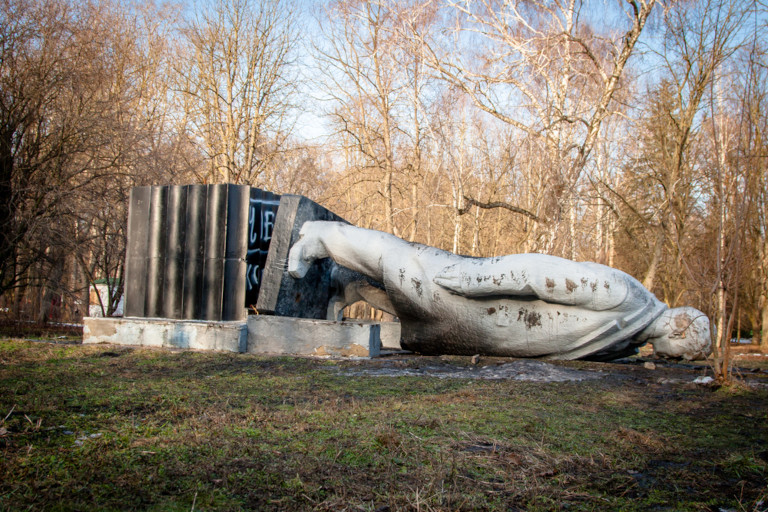
The urge to dismantle this iconography predates the end of the USSR. On October 23, 1956, during the Hungarian Uprising, protesters in Budapest pulled down the Stalin Monument in an act that echoed far beyond Hungary’s borders. These gestures — removal, renaming, demolition — signaled a moral separation from the regime those figures represented.
Decrees that dismantled the Party machine
Legal and symbolic changes were matched by direct action against party structures. On November 6, 1991, Russian President Boris Yeltsin issued Decree No. 169: “On the activities of the CPSU and the Communist Party of the RSFSR,” banning Party activity and placing Party property under presidential control after the failed August 1991 coup. The order amounted to an official severing of the Party’s institutional grip and remains a cornerstone document in the decommunization of the post-Soviet state.
A message that framed freedom against the wall
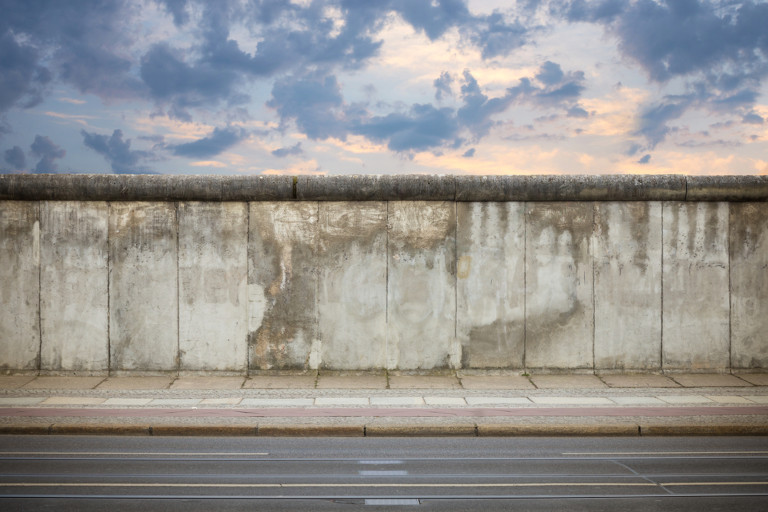
Political language also helped recast communism in the public mind. On June 12, 1987, U.S. President Ronald Reagan spoke at the Brandenburg Gate and delivered the now-famous challenge: “Mr. Gorbachev, tear down this wall!” The speech argued that freedom and security advance together, and it framed the division of Berlin as a moral failing rather than a permanent fact. That framing resonated across the late 1980s as communist governments faltered and citizens demanded change.
What this means at a border counter
Taken together — laws removing legitimacy, statues toppled as a break with oppression, decrees dissolving Party power, and rhetoric that tied freedom to accountability — these trends explain why the word “communist” carries stigma in much of the world. For travelers filling out visa forms or stepping up to passport control, the label is not an honorific. It signals affiliation with a political party that many countries associate with censorship, violence, or systemic rights violations. That is the hard truth Zhang Yupu encountered abroad, and it is why a single checked box can matter more than any slogan.
See Part 1 here
Translated by Chua BC
Follow us on Twitter, Facebook, or Pinterest
