
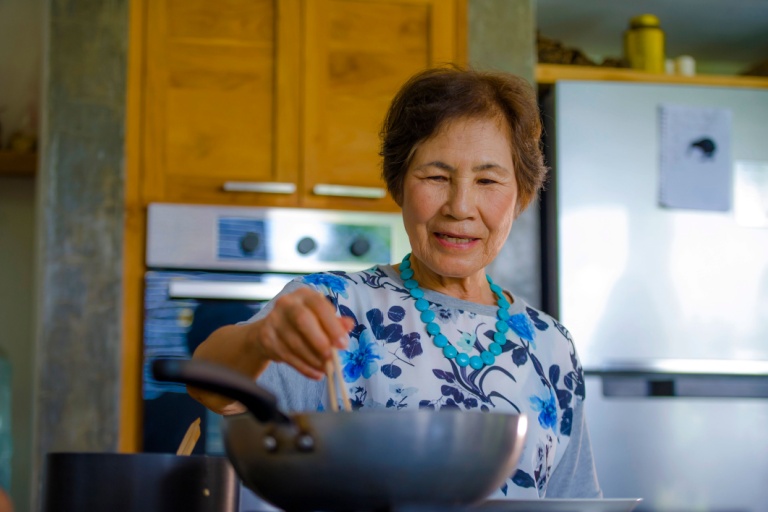
Comfort cooking offers solace and emotional nourishment in uncertain times, blending nostalgia and simplicity to create a quiet culinary rebellion in today’s chaotic world.
In a time when everything feels precarious — the economy, the climate, our sense of control — people are finding solace in the simplest of places: the kitchen. Not the sleek, minimalist kind stocked with imported gadgets and precision tools, but the warm, messy kind that smells faintly of butter, garlic, and baked cheese. Across social media feeds and neighborhood kitchens alike, a quiet culinary rebellion is underway. Comfortcore, or what some are calling “newstalgia cooking,” has emerged as a soft counterculture — a return to casseroles, one-pan bakes, and mac-and-cheese riffs that taste like memory itself.
This isn’t mere retro kitsch. It’s a recalibration of what it means to be nourished — emotionally, financially, and spiritually — in uncertain times.
When the world feels unstable, we cook like it’s 1999
When the future feels uncertain, the past becomes edible. From the viral “lazy girl dinners” on TikTok to the resurrection of 1970s Pyrex casseroles on Etsy, nostalgia is flavoring how we eat and live. Food historians note that nostalgia spikes in times of collective stress — a phenomenon as old as bread itself. During wartime rationing, people baked more; during the pandemic, banana bread became a global unifier.
But today’s nostalgia is different. It’s not just about recreating grandmother’s recipes; it’s about rebuilding emotional safety. It’s remembered through casseroles and cozy dinners, symbolizing a pre-digital, slower world. Recreating those dishes now — often with a twist of irony or refinement — becomes a small ritual of control. As food writer Alicia Kennedy put it: “We’re not chasing taste. We’re chasing time.”
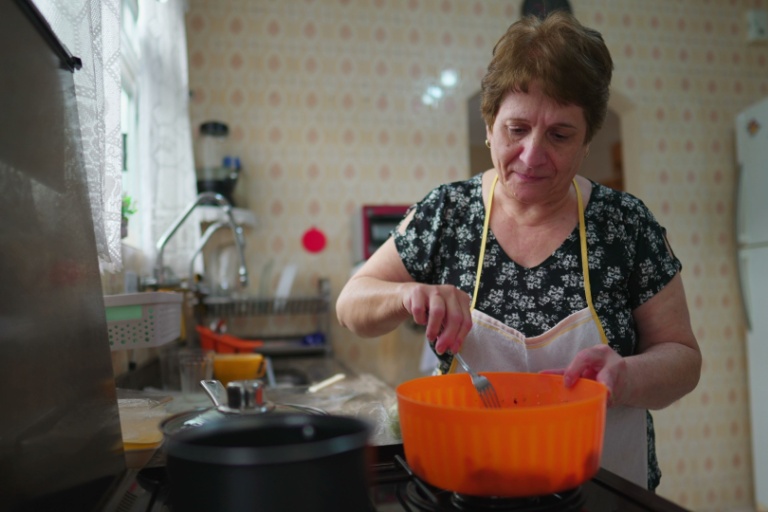
The casserole comeback: Comfort cooking as resilience during economic uncertainty
The casserole — once a humble emblem of thrift and church suppers — has reemerged as a modern survival strategy. On Reddit’s r/EatCheapAndHealthy, posts about “$5 baked pasta feeds four” and “depression lasagna” rack up thousands of comments. The appeal is practical, yes — but also deeply emotional. A casserole is a promise: if you have an oven, a pan, and a few ingredients, you can still make something whole.
In an era of inflation and burnout, this kind of cooking isn’t regression — it’s resilience. It rejects the performative excess of “wellness food” culture and the endless optimization of diets and macros. Instead, it celebrates sufficiency over scarcity, warmth over wellness.
A recent Guardian piece dubbed this trend “austerity comfort,” noting that comfort food sales have spiked during every major economic downturn. Yet this time, it’s more intentional. People aren’t just cooking to survive; they’re cooking to feel safe.
Simplicity over status: The new domestic cool
There’s an irony to how “lazy cooking” has become aspirational. Aesthetic simplicity — hand-thrown ceramics, candlelit countertops, gently browned baked dishes — now defines the “comfortcore” look. But beneath the cozy visuals lies something more profound: a cultural pivot from performance to presence.
In the 2010s, food culture was about mastery — sourdough starters, sous vide gadgets, and culinary perfection. Now, the pendulum has swung back toward imperfection. TikTokers post grainy videos of half-burned grilled cheese or underbaked cookies and call it “real cooking.” And it resonates.
This isn’t apathy; it’s authenticity. As sociologist Hartmut Rosa writes in Resonance: A Sociology of Our Relationship to the World, people crave experiences that feel “alive and reciprocal.” Cooking simply — stirring slowly, tasting often, feeding friends — fulfills that need. The new domestic cool isn’t about showing off; it’s about showing up.
Comfortcore as quiet resistance
In the vocabulary of digital culture, doing less is often radical. Comfortcore stands shoulder-to-shoulder with the “slow living” and “rest as resistance” movements — philosophies that see rest, softness, and imperfection not as indulgence but as rebellion.
To cook slowly in a fast world is to reclaim time from the algorithm. To choose canned soup and elbow macaroni over takeout apps is to step outside the attention economy. It’s no coincidence that cozy cooking surged just as social media burnout peaked. Recipes tagged #comfortcore often feature captions like “no rules, just warmth” or “not pretty, but perfect.”
This is what makes the movement culturally potent. It’s food as philosophy — a tactile antidote to abstraction. Each stir of the spoon says: “I am here. I am enough.”
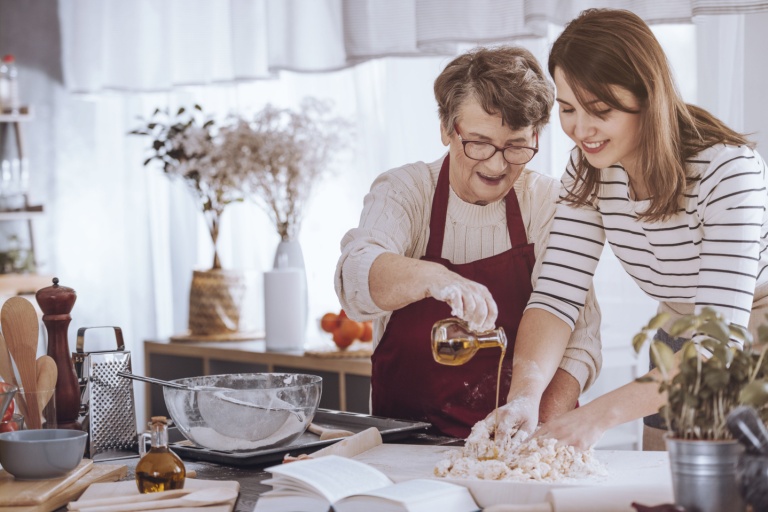
Memory on a plate: Rediscovering what nourishes us
Ultimately, comfort cooking isn’t about the recipes at all. It’s about the ritual. The repetition of familiar motions — preheating the oven, whisking a sauce, scraping the last of the cheese from the bowl — becomes a quiet kind of prayer.
Memory lives in taste and smell. Psychologists call it “autobiographical flavor” — the way sensory cues unlock emotional grounding. A spoonful of baked mac and cheese can transport someone not just to childhood but to a feeling of safety, belonging, and simplicity. In an age when we scroll past crises by the hour, that kind of rootedness feels revolutionary.
To cook, then, is to remember. To bake is to believe in continuity. And to eat — slowly, gratefully — is to remind ourselves that while the world may be chaotic, comfort is still within reach.
Conclusion
The comfort food revival isn’t nostalgia for its own sake. It’s a collective whisper of humanity: a reminder that even when the world feels unmade, we can reassemble meaning one meal at a time.
The casserole, once dismissed as dated, becomes a symbol of quiet defiance — proof that the simplest acts can still hold the most power. Because when we cook like it’s 1999, we’re not escaping the present. We’re healing it.
Follow us on X, Facebook, or Pinterest
