

Throughout history, the relationship between doctors and patients has been more than a matter of medical skill — it has reflected the character and moral integrity of both parties. In earlier times, a healer’s expertise was inseparable from compassion, honesty, and a sense of duty, while patients responded with gratitude, respect, and trust. The bond was deeply human, an exchange of care that nourished both body and spirit. Tracing how this relationship has changed over time reveals not only the evolution of medicine, but also the shifting currents of the human heart.
When morality shaped healing
A friend from Shandong Province once told me stories of his grandfather, a village physician known for his skill and kindness. Their village was often raided by bandits who rode in at night, forcing every household to bar its doors in silence. Crops were looted, horses branded with red-hot irons, and fear filled the air.
One night, the bandit leader himself was gravely wounded and had no choice but to seek treatment from the doctor. The physician treated him without hesitation, asking only one thing in return: that the leader promise never to raid the village again.
The man kept his word. From that day on, the bandits avoided the village entirely, sometimes even leaving sacks of grain at the doctor’s doorstep in quiet gratitude. The leader never forgot the kindness that had saved his life.
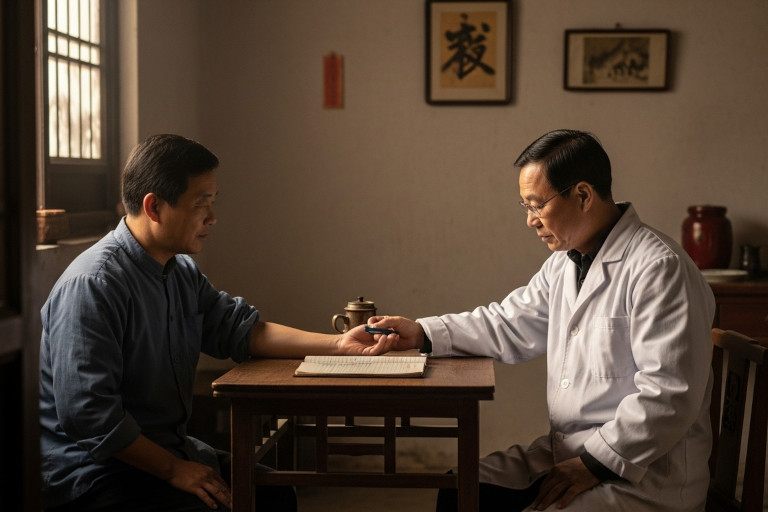
In those days, patients — whether wealthy or poor — showed deep appreciation for their doctors. Some brought modest gifts, others trekked into the mountains to gather rare mushrooms or herbs as tokens of thanks. Healing was not just an exchange of service; it was a moral encounter, built on compassion and trust.
When medicine becomes a transaction
Years later, after moving to the United States, I stayed with a local doctor for a time. He was experienced and capable in nearly every field — from internal medicine to surgery — and had delivered almost every child in town under the age of thirty.
But medicine had grown more difficult for him. He now required patients to undergo many tests, even for conditions he could diagnose instantly. Out of fear of lawsuits, he had transferred his assets to his wife and children. One of his friends, a skilled gynecologist, had been sued nine times in a single year. The stress left them both wary and exhausted.
Today, the relationship between patients and doctors often feels transactional. Patients are treated as customers, and some actively search for reasons to sue if they are dissatisfied. Doctors, in turn, protect themselves with paperwork, tests, and defensive procedures. This self-protection is understandable, but it raises costs and drains compassion from the encounter.
As a result, medical expenses soar, insurance premiums climb, and lawyers profit from disputes. Suspicion and fear now stand where trust once lived. What was once an act of healing has become a web of contracts, policies, and precautions — emotionally costly for both sides.
A meeting shaped by fate
In traditional Chinese thought, a meeting between doctor and patient is never by chance. People say: “It takes ten lifetimes to share a boat ride.” If even such a fleeting encounter requires fate, how many lifetimes of karmic connection must it take for a doctor to meet a patient?
This sense of destiny echoes in the book Many Lives, Many Masters by psychiatrist Dr. Brian Weiss, which tells the true story of a patient who, under hypnosis, recalled a past life in which her therapist had been her teacher. Their meeting in this life seemed to complete something unfinished from before — a reminder that healing may extend far beyond the present moment.

Healing as an exchange of virtue
Buddhist philosophy views human life as a cycle of creating and repaying karma. Every relationship arises from this cycle, including the one between doctor and patient. When a physician heals a patient, he may be accumulating virtue or repaying a debt from a previous life. But when a doctor errs — pulling the wrong tooth, performing unnecessary surgery, or demanding unreasonable fees — he may create new karmic obligations that will one day have to be repaid.
For the patient, illness can also be a way of settling past accounts. Physical pain, emotional suffering, or financial loss may serve as a form of atonement. Only by meeting these experiences with acceptance, trust, and gratitude can one move toward real healing.
Both the doctor and the patient share moral responsibility. Every action is recorded in the quiet ledger of life and carried across lifetimes. Ancient people understood this and sought to cultivate virtue, repay kindness, and live with sincerity.
Rediscovering sincerity and compassion
If people today can recover that original sincerity and kindness, the doctor–patient bond can once again become one of mutual respect and trust. A doctor who practices medicine with conscience and care will find that healing flows more freely, and a patient who approaches treatment with gratitude and openness helps that healing take root.
When both act with integrity and compassion, their meeting becomes more than a medical exchange — it becomes a shared act of virtue, a moment in which body and spirit are both renewed.
Translated by Elaine
Follow us on X, Facebook, or Pinterest
