
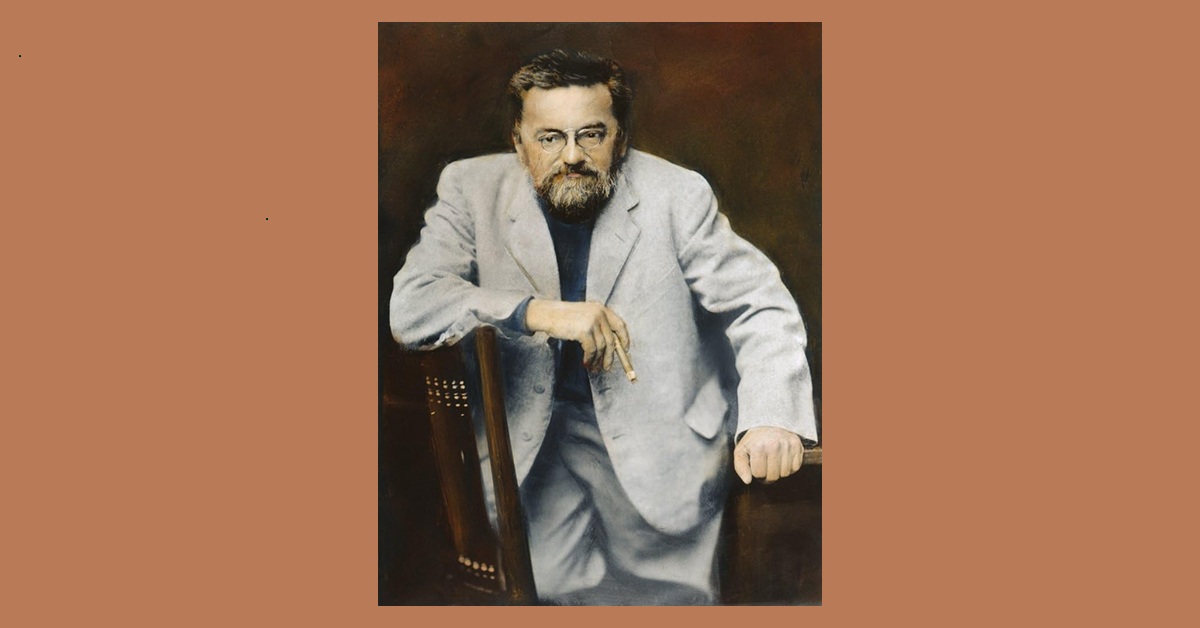
In the early 20th century, the Ford Motor Company was experiencing unprecedented growth, churning out cars for eager buyers. Suddenly, one of Ford’s massive motors broke down, bringing nearly the entire workshop to a halt. Production stopped entirely, causing enormous economic losses.
The company leaders, furious, brought in every available expert, but no one could find the problem, let alone fix it. At this critical point, someone suggested inviting the famous physicist and electrical engineer Charles Steinmetz. He was quickly brought in.
Steinmetz asked for a mat to be placed beside the motor. He listened intently for three days, then requested a ladder, which he climbed up and down for hours. Finally, he drew a chalk line on one part of the motor and wrote: “The coil here has 16 extra turns.” When the workers followed his instructions, the fault was astonishingly resolved, and production resumed immediately.
The Ford manager asked Steinmetz for his fee. Steinmetz replied: “Not much, only ten thousand dollars.” Ten thousand dollars — for just drawing a line! This was the equivalent of more than a century’s wages for an ordinary worker, far exceeding Ford’s famously high “five dollars a day” wage.
Seeing everyone’s confusion, Steinmetz wrote out a bill. Drawing a line, $1. Knowing where to draw the line, $9,999.00. The Ford manager not only paid the fee, but also hired Steinmetz with a generous salary. Many people end the story here, and even high school textbooks present it this way, arriving at an immensely inspiring slogan: “Knowledge is wealth.”
The untold value
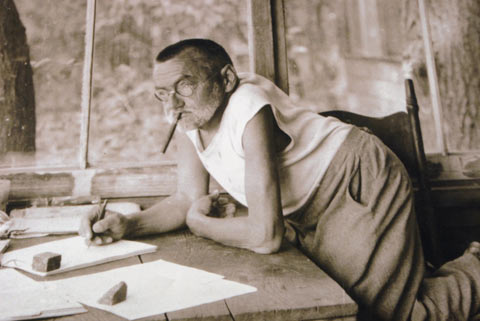
But the story continues. Steinmetz had initially been a marginalized engineer in Germany. After losing his job, he emigrated to the United States. With no family or support, he wandered until a small factory owner took him in and hired him to work on motor design. Grateful to the owner, Steinmetz quickly mastered the core technology of motor manufacturing and helped the small factory secure many orders.
When Henry Ford learned of Steinmetz’s talent, he personally invited him to join his company, offering him $10,000. But Steinmetz declined, explaining that he could not leave the small factory because its owner had helped him in his most difficult time. If he left, the factory would collapse.
Ford was at first disappointed, then deeply moved. Ford Motor Company was a powerful enterprise, and joining it was considered an honor. Yet Steinmetz gave up the opportunity out of gratitude and a sense of responsibility.
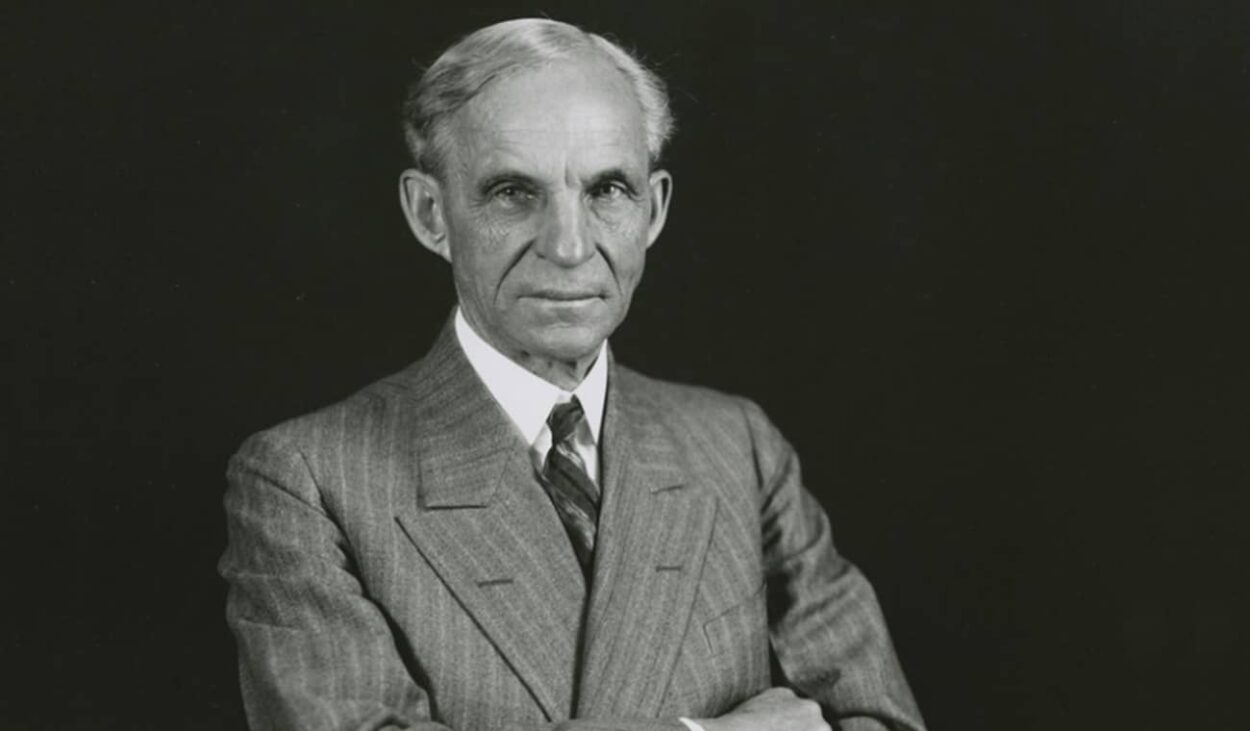
Soon after, Henry Ford decided to acquire the small factory where Steinmetz worked. The board members were astonished — why would Ford be interested in such a small company? Ford explained: “Because there is someone there who understands gratitude and responsibility.”
Today, many people focus only on the word “wealth.” They think about how to sell their knowledge and turn it into money. Gratitude and responsibility are often pushed aside for immediate profit.
And so we lament the decline in morals, the loss of integrity, and the erosion of human values. We fail to realize that in promoting “knowledge is wealth,” we have forgotten what is more important: that Ford ultimately valued moral capital — Steinmetz’s loyalty and commitment — far more than the simple technical knowledge he sold. Few stop to reflect on what we have already lost.
Because we only saw the beginning of the story, not its ending.
Translated by Cecilia and edited by Helen London
Follow us on X, Facebook, or Pinterest
