
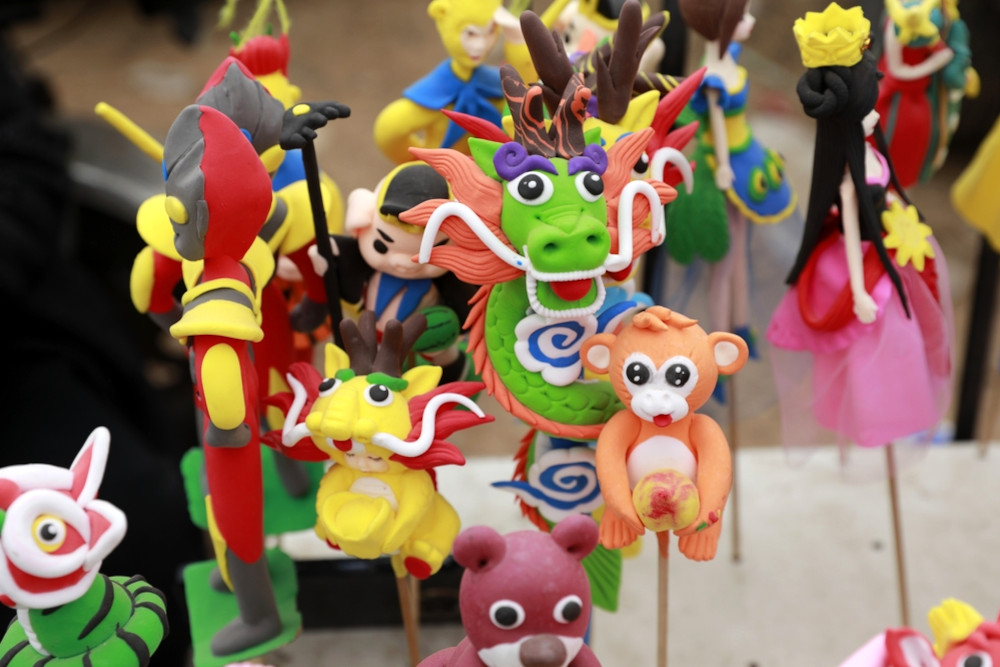
A ball of colored dough rests in an artisan’s hand. With a few quick pinches, a few precise cuts from a bamboo knife, and a practiced turn of the wrist, it becomes a warrior, an opera character, a fairy, or a tiny animal full of life. The transformation takes only minutes, but it reflects a tradition shaped over centuries.
This is the art of Chinese dough figurines, known in Chinese as mian ren, or “flour people.” Far more than a simple folk craft, it carries a long and layered history. Over the course of more than 2,000 years, shaped dough moved from ritual use to festival entertainment, from market stalls to the imperial court, and from the hands of traveling artisans to the modern framework of protected cultural heritage. Behind its colorful surface lies a story of ingenuity, social change, and the enduring human impulse to make beauty from the humblest materials.
What Chinese dough figurines are
Chinese dough figurines are a traditional folk art in which artisans sculpt colorful figures from dough made with wheat flour, glutinous rice flour, water, pigments, and ingredients such as honey or wax that help preserve the finished work. Although the name mian ren literally means “flour people,” the figures are not limited to human forms. Artists also create animals, immortals, opera characters, zodiac figures, legendary heroes, and scenes from Chinese folklore and classical literature.
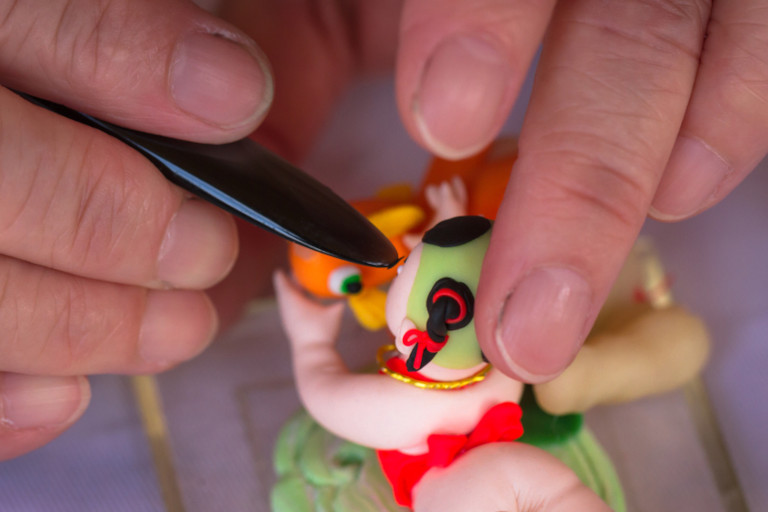
Part of the craft’s appeal lies in its immediacy. Unlike carving wood or shaping fired clay, dough responds at once to the artist’s touch. A skilled maker works almost entirely by hand, using simple tools such as a bamboo knife, tiny scissors, and pointed sticks to shape facial features, clothing, hair, and gesture. The warmth of the hands keeps the dough pliable, allowing a figure to take shape with remarkable speed. For a viewer, the process can feel less like ordinary craftwork and more like a small act of transformation performed in real time.
That sense of immediacy helps explain why dough figurines have long attracted attention across class lines. They are visually striking, easy to understand, and rooted in materials familiar to everyday life. Flour is ordinary. Skilled hands are not. In the meeting between the two, something unexpectedly expressive appears.
From edible ornament to lasting folk art
In earlier periods, many dough creations were made as edible decorations for rituals, festivals, and banquets. They could be shaped into symbolic forms and displayed briefly before being eaten. Over time, however, artisans refined the material itself. By adding ingredients that improved texture and longevity, they turned something once meant to disappear quickly into a decorative object that could be admired for much longer.
This shift is important because it helps explain why mian ren developed into more than festive food styling. Once the figures could last, they also became portable art, keepsakes, gifts, and display objects. Their role expanded. What began as a practical or ceremonial use of shaped dough gradually took on aesthetic and cultural weight.
Even so, the craft remained closely tied to ordinary life. For much of its history, dough figurine making belonged to temple fairs, local festivals, market streets, and folk celebrations rather than elite studios or court workshops. It was art made in public, often quickly, often for children, and often at prices ordinary people could afford.
An art with ancient roots
The history of shaped dough in China stretches back much farther than many casual readers might expect. Later legends may attract the most attention, but the craft’s roots are much older.
Written records from the Han Dynasty mention the use of shaped dough in ritual and ceremonial contexts. In some settings, people formed small figures as offerings connected to prayers for favorable weather and abundant harvests. These early objects were simple, but they show that grain-based figures already held symbolic and social meaning many centuries ago. Long before dough figurines became admired as handicrafts, they were part of a larger ritual culture in which food, belief, and daily life were closely linked.
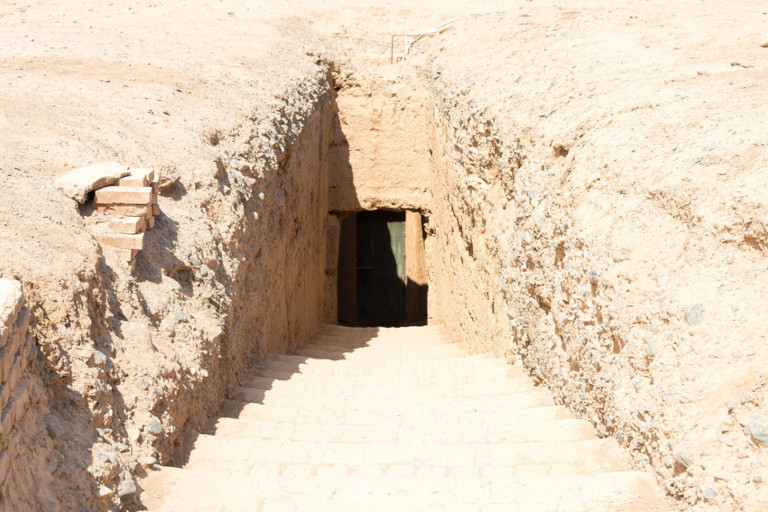
Archaeological discoveries also support the craft’s deep history. In Xinjiang, ancient dough figurines, including human and animal forms, have been found preserved in tombs for well over a thousand years. Their survival is striking not only because dough is such a fragile material, but because it shows that people were using it for more than nourishment. They were shaping it into meaningful objects that could accompany ceremony, memory, and burial practice.
By the Song Dynasty, shaped dough had moved beyond ritual settings and into festive public life. Historical accounts describe decorative dough ornaments displayed at banquets and celebrations, sometimes as edible adornments, sometimes as visual novelties that delighted guests. Temple fairs and holiday gatherings gave artisans a public stage where they could demonstrate their speed and skill, turning the act of making dough figurines into a form of entertainment, as well as a source of income.
For nearly two millennia, then, dough figurines remained rooted in what might be called everyday culture. They were toys, ornaments, festival attractions, and affordable art. They belonged to common life. That long history matters because it sets up the significance of the best-known Qing Dynasty story associated with the craft. The story does not explain how shaped dough first appeared in China. Rather, it helps explain how an old folk practice came to be seen in a new light.
From street craft to courtly admiration
One of the most famous stories associated with Chinese dough figurines comes from the Qing Dynasty and centers on Liu Yong, a prominent official and calligrapher, and a household chef from Shandong surnamed Wang. It is best understood not as the origin of mian ren itself, but as a traditional account of how a long-established folk craft was refined, elevated, and introduced to elite circles.
According to the story, Wang was preparing steamed buns when he shaped the dough into decorative forms such as flowers, fish, and butterflies. What he was doing was not unprecedented. Similar folk practices already existed. What caught Liu Yong’s attention was the artistic potential in what might otherwise have remained a domestic or festive skill.
Liu is said to have encouraged Wang to develop the technique further. Together, they experimented with methods to improve the figures’ appearance and durability. Pigments enhanced the visual effect. Adjustments to the dough made it better suited to ornamental work. Tools for fine detailing allowed more elaborate forms to emerge. In other words, the legend presents the Qing moment not as the beginning of shaped dough, but as a stage of refinement — a point at which an older popular practice was pushed toward a more sophisticated and durable art form.
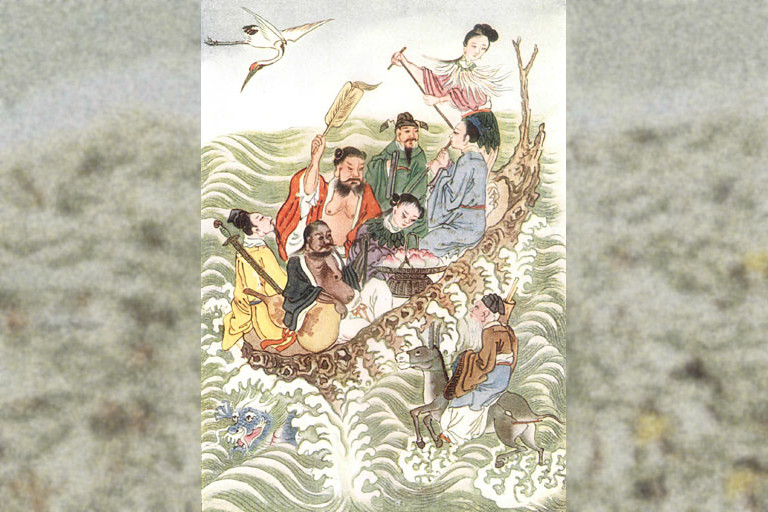
The story goes on to say that Liu asked Wang to create a set of figures based on the Eight Immortals, along with the God of Longevity, as a birthday gift for Emperor Qianlong. At the imperial celebration, the figurines reportedly drew widespread admiration. Courtiers marveled at their delicate appearance, and the emperor himself was said to be astonished that objects so fine and polished were made from humble dough rather than costly materials such as jade or ivory.
Whether every detail of the tale can be verified is less important than what the story expresses. It captures a turning point in cultural status. A craft long associated with markets, festivals, and ordinary people was suddenly presented in a setting of high prestige. The legend survives because it dramatizes a broader truth: arts that begin in common life are sometimes recognized only later by those in power, even though their roots are far older.
That is why the Liu Yong story matters. It does not erase the Han or Song history that came before it. Instead, it helps explain how mian ren moved from the street to the palace, from familiar folk practice to something admired by the nobility.
How Chinese dough figurines are made
The process of creating dough figurines is both surprisingly simple in its materials and remarkably demanding in its execution. The foundation is dough made from wheat flour and glutinous rice flour, mixed with water and a pinch of salt as a natural preservative. Artisans then knead in honey and stone wax for longevity, along with natural dyes to produce vivid colors, working each ball of dough until the color saturates evenly throughout.
The tools are modest: a small bamboo knife for cutting and shaping, tiny scissors for fine details, a cattle bone stick for pressing features, and a small comb for creating texture in hair and clothing. Some artisans use pointed sticks to etch delicate patterns into fabric folds or facial features.
With these simple implements, a skilled artist builds a figure from the inside out. Hands pinch the basic form, then roll limbs and torsos into proportion. The bamboo knife carves expression into faces. Tiny pieces of colored dough become flowing robes, detailed armor, or delicate flower petals. The artist’s fingertips press warmth into the material, keeping it pliable until the final details are set.
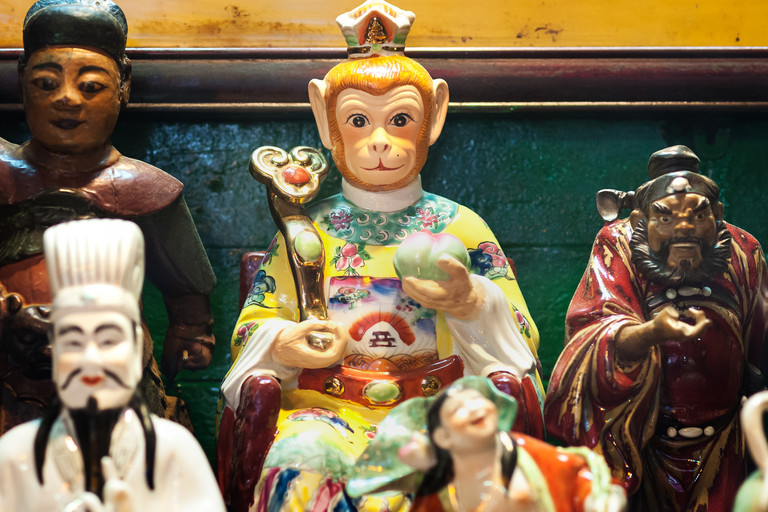
Traditional subjects draw from Chinese mythology, folklore, historical legends, and opera characters. The Monkey King from Journey to the West remains a perennial favorite, along with the Eight Immortals, legendary generals, and scenes from classical novels. Today, artisans also create animals, zodiac figures, and increasingly, characters inspired by modern popular culture.
Regional schools of Chinese dough figurine artistry
As the craft developed over time, distinct regional styles emerged. These schools reflect not only local taste, but also the ways different communities adapted the art to their own performance traditions, stories, and visual preferences.
Shandong is often closely linked to dough figurine culture, not least because the Liu Yong and Chef Wang legend is associated with the province. Works tied to Shandong traditions are often described as bold in color and vivid in expression, reflecting the strong visual energy of local opera and folk art.
Beijing developed one of the best-known and most influential traditions. The capital’s association with temple fairs, public performance, and imperial culture gave its dough figurines a distinctive place in the broader history of the craft. Beijing lineages such as “Dough Figurine Lang” became especially well known, helping establish the art as something worthy of preservation and public recognition.
Shanghai and other urban centers developed their own approaches as well. In some cases, these styles are described as more delicate or refined, with careful attention to polish, finish, and intricate detail. Elsewhere, artisans adapted the craft to local stories, regional opera traditions, and changing popular tastes.
Taken together, these lineages show that Chinese dough figurines are not a single frozen style handed down unchanged across the centuries. They are a family of related traditions, shaped by place, performance, and inheritance.
From street craft to national heritage
For generations, dough figurine artists often lived modestly. They carried their tools and colored dough to markets, temple fairs, and festival grounds, where they shaped figures before customers’ eyes and sold them one by one. Much of the craft’s vitality came from this direct contact between maker and audience. A child could watch a figure come to life and then carry it home minutes later.
In modern times, however, the cultural value of the craft has been recognized more formally. In 2008, Beijing’s “Dough Figurine Lang” was included on China’s national intangible cultural heritage list. That recognition helped move mian ren beyond the category of charming folk entertainment and into a broader conversation about preservation, transmission, and cultural identity.
Such recognition matters because traditional crafts do not survive on admiration alone. They need apprentices, public interest, and opportunities for artists to continue working. Once older street-based forms of livelihood began to decline, many traditional arts faced the risk of being reduced to museum pieces or nostalgic symbols. Heritage protection offers another possibility: keeping the craft alive not as a relic, but as a practiced art passed from one generation to the next.
In that sense, the modern heritage framework does not replace the craft’s older life in markets and fairs. It tries to safeguard the conditions that make such traditions possible in a changing world.
A modern revival for a new generation
Chinese dough figurines continue to attract new audiences because they combine technical skill with immediate visual appeal. A viewer does not need specialized knowledge to understand why the figures are compelling. They are colorful, expressive, often playful, and rooted in a performance of making that is satisfying to watch.
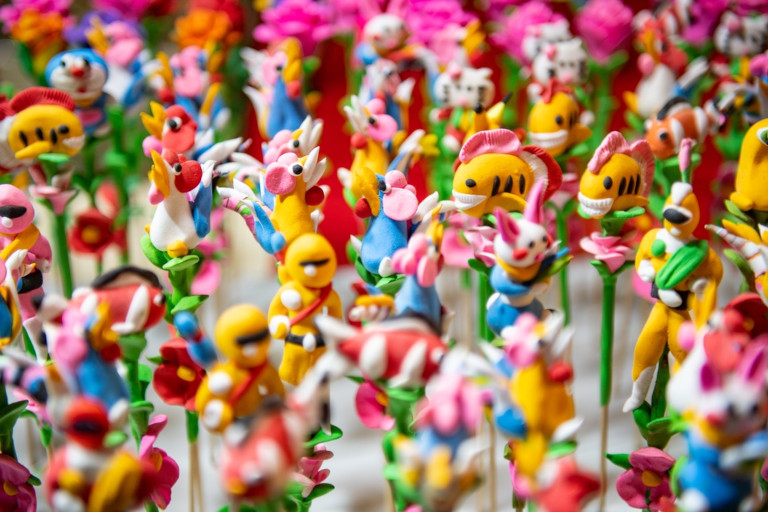
Today, younger artists are finding new ways to carry the tradition forward. Some remain close to classical subjects, continuing to model immortals, opera characters, zodiac animals, and legendary heroes. Others experiment with figures drawn from contemporary life, animation, internet culture, or humorous scenes from office work and urban routine. This is not necessarily a break with tradition. Folk art has always absorbed the world around it.
Social media has also given the craft a new kind of public stage. Short videos of artisans transforming a lump of dough into a finished figure can captivate viewers in just a few seconds. What once drew a crowd at a temple fair can now draw millions of views online. Workshops, museum programs, and tourist experiences have introduced still more people to the art, turning passive admiration into hands-on participation.
At the same time, the strongest modern work often succeeds because it does not abandon the old values of the craft. Precision still matters. Speed still matters. Cultural literacy still matters. Even when the subject is modern, the hand skills behind it are part of a much older chain of transmission.
A tradition shaped by human hands
Chinese dough figurines are easy to admire as charming objects, but their real significance runs deeper. They bring together ritual memory, festive pleasure, storytelling, technical skill, and social history in a single small form. They remind us that many cultural traditions do not begin in palaces or academies. They begin in ordinary life, among people working with accessible materials and inherited knowledge.
That is part of what makes the Qing Dynasty legend so useful when properly understood. It does not tell us where the craft began. It tells us something about recognition. A long-standing folk practice that had been part of common life was suddenly seen as worthy of courtly admiration. The story is memorable because that pattern repeats itself throughout cultural history: what is familiar and humble may later be recognized as refined, even though its value was present all along.
Seen across its full 2,000-year arc, mian ren is not just a decorative craft. It is a record of continuity and adaptation. It has served ritual life, delighted children, animated temple fairs, impressed emperors, and found new life in the digital age. That range is precisely what gives the tradition its richness.
Chinese dough figurines endure because they remain close to the hand. They are shaped, not manufactured; learned through practice, not abstract theory. Whether encountered in a market, a museum, a workshop, or a short video online, they still carry the same essential appeal: they show how ordinary material can become art when guided by patience, skill, and imagination.
Follow us on Twitter or Facebook
