
Have you ever noticed something curious? The world’s wealthiest people often reach a point where they stop flaunting yachts, mansions, and private jets. Instead, many quietly turn toward practices that seem utterly “unproductive” at first glance: meditation, Buddhist contemplation, scripture study, or silent retreats in remote mountains.
These are individuals who already possess more than enough wealth, prestige, and influence. So, why would they pivot toward these austere — even “boring” — spiritual disciplines? Behind this shift lurks one of the deepest paradoxes of human nature. What lies at the summit of material wealth? In Chapter 44 of Tao Te Ching, Laozi asks: What is dearer — reputation or life? Which matters more — the body or possessions? Which wounds more — gaining or losing?
Excessive attachment, he warns, always exacts a heavy price. Wealth can be like a mirror. When outward abundance piles high enough, it often reflects not fulfillment — but what we most fear losing. The Greek philosopher Aristotle made a similar observation. He argued that happiness — eudaimonia — is not found in external abundance, but in the flourishing of the soul. He emphasized that the sense of fulfillment that grows from within is something that no external object can ever bestow.
More than 2,000 years later, Martin Seligman, the father of positive psychology, reached much the same conclusion through modern research: beyond a certain threshold, increases in wealth contribute surprisingly little to happiness.
Then there’s the Buddha, who put it with characteristic elegance: Suffering arises from attachment. And often, the rich arrive at this truth earlier than others. Because they discover firsthand: Money can buy comfort, but not peace. It can purchase compliance, but not genuine respect. It can influence markets, but not aging, illness, impermanence… or mortality, which stubbornly refuses to take bribes.
And many discover something even stranger: once the initial hunger for money is satisfied and wealth begins to snowball, a deeper sense of emptiness often surfaces. More money does not necessarily reduce anxiety; sometimes, it actually multiplies it. It can lead to bad decisions, broken relationships, fragile health, or even losing touch with one’s children. At some point, success itself can begin to feel like an invisible wall, blocking all other paths.
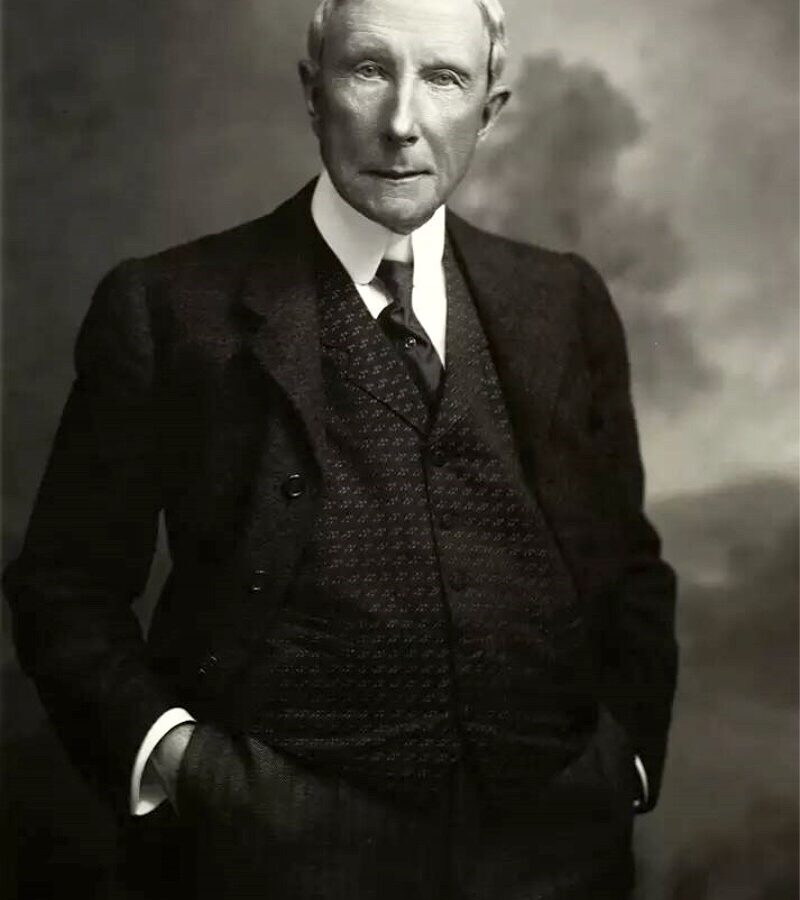
John D. Rockefeller
By age 54, John D. Rockefeller was the world’s first billionaire and is widely considered the richest individual in American history. Adjusted for inflation, his wealth is often estimated at over US$600 billion in today’s dollars. Yet so ravaged by stress that he suffered from severe digestive illness, lost his hair, and became skeletal. Doctors believed he would not live past 55. What saved him? Curiously, there was no further accumulation. What saved him was letting go. He slowed his pace and turned toward prayer, generosity, and giving. He lived to 98.
That may be one of history’s more persuasive endorsements for philanthropy. Today in Silicon Valley, many billionaire founders book mindfulness teachers the way others hire fitness trainers. And perhaps for good reason. When wealth accumulates to such an extreme, the people controlling the world’s economic lifelines discover a harsh reality: the more they seek fulfillment externally, the wider the inner void becomes. As a result, inner cultivation and spiritual practice become their only antidote to the disease of affluence. Not seeking more. But desiring less. Not adding. But refining.
The upgrade of consciousness
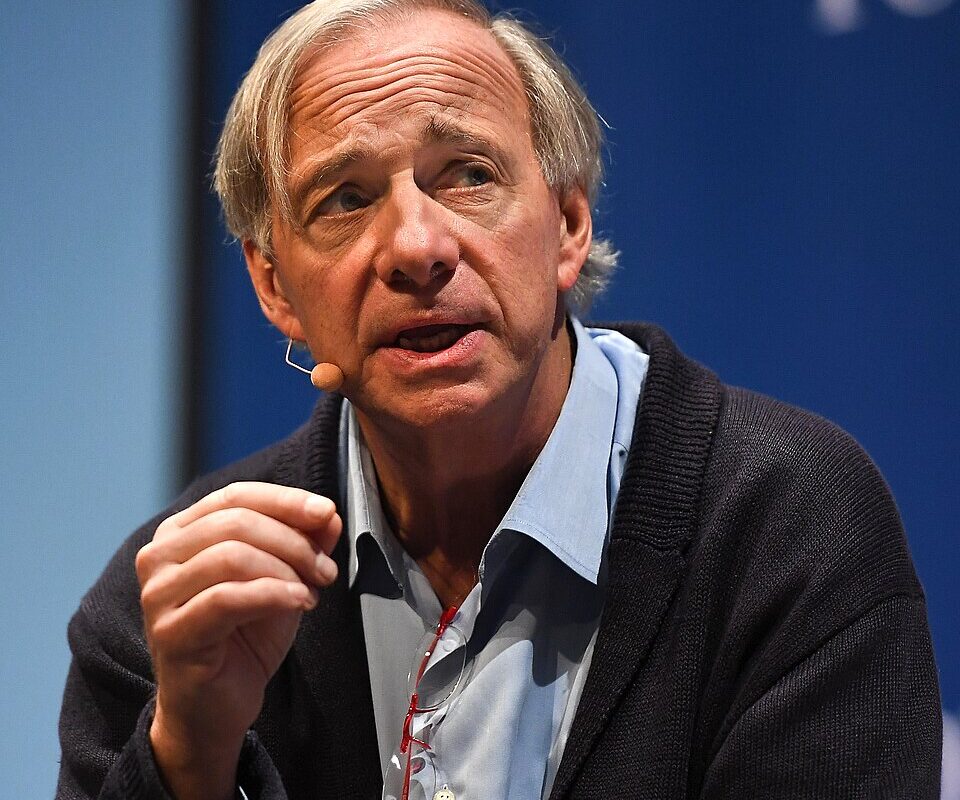
In truth, major fortunes are often built on asymmetric information, judgment, and probability. One mistaken perception can vaporize billions. So, what protects wealth at the deepest level? Not merely capital — but consciousness. In this sense, spiritual practice can be understood as the highest form of cognitive training. Take Ray Dalio, founder of Bridgewater Associates.
For decades, he has openly called Transcendental Meditation one of the greatest investments of his life. Twice a day, twenty minutes each session, since 1969 — without interruption for over half a century. In his book Principles, he writes: “I believe meditation has contributed more to my success than anything else. It strengthens my broad vision, higher-level perspective, calmness, and creativity.”
It is effective not because it empties his mind, but because it allows him to observe without being hijacked by emotion. It enables him to see probabilities clearly, remain calm amid chaos, and make rational decisions when others panic. That state of inner steadiness, one might say, became part of the architecture of the world’s largest hedge fund.
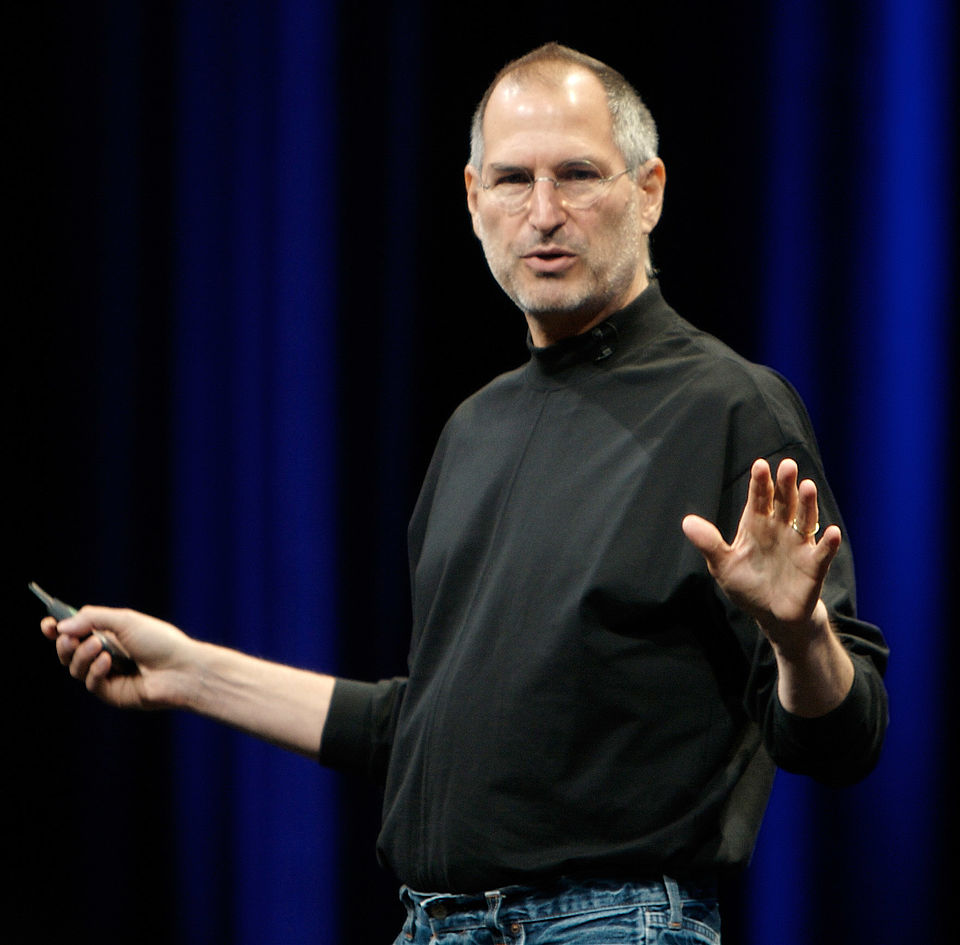
Then there’s Steve Jobs. At 19, Jobs traveled to India on a journey that profoundly altered his life. It was in India that he studied meditation and encountered Zen Buddhism. Later, he apprenticed with Japanese Zen teacher Kobun Chino Otogawa and practiced in deep retreat at the Tassajara Zen Mountain Center. (Yes — even his wedding was reportedly officiated by a Zen master. Some people really do take minimalist design all the way.)
Zen’s emphasis on emptiness, presence, and stripping away the unnecessary deeply shaped Jobs’s philosophy. Arguably, it shaped the DNA of Apple Inc. itself through simplicity, intense focus, and the removal of everything nonessential. As Jobs once said: “If you focus on one thing, you can bring it to perfection. Zen taught me that.” In a sense, every iPhone generation carries a trace of meditation hall silence in its design.
A curious thought
Perhaps even the most elegant technologies arise from stillness. And perhaps this points to a deeper truth — at the highest levels of wealth, the next frontier is not possession, but perception. In this landscape, the ultimate investment is no longer external. It is the cultivation of an inner clarity that cannot be devalued by markets or eroded by time. Not having more — but seeing more. In the end, the most valuable asset a human being can possess may simply be an undisturbed mind.
Translated by Katy Liu and edited by Tatiana Denning
Follow us on X, Facebook, or Pinterest
