
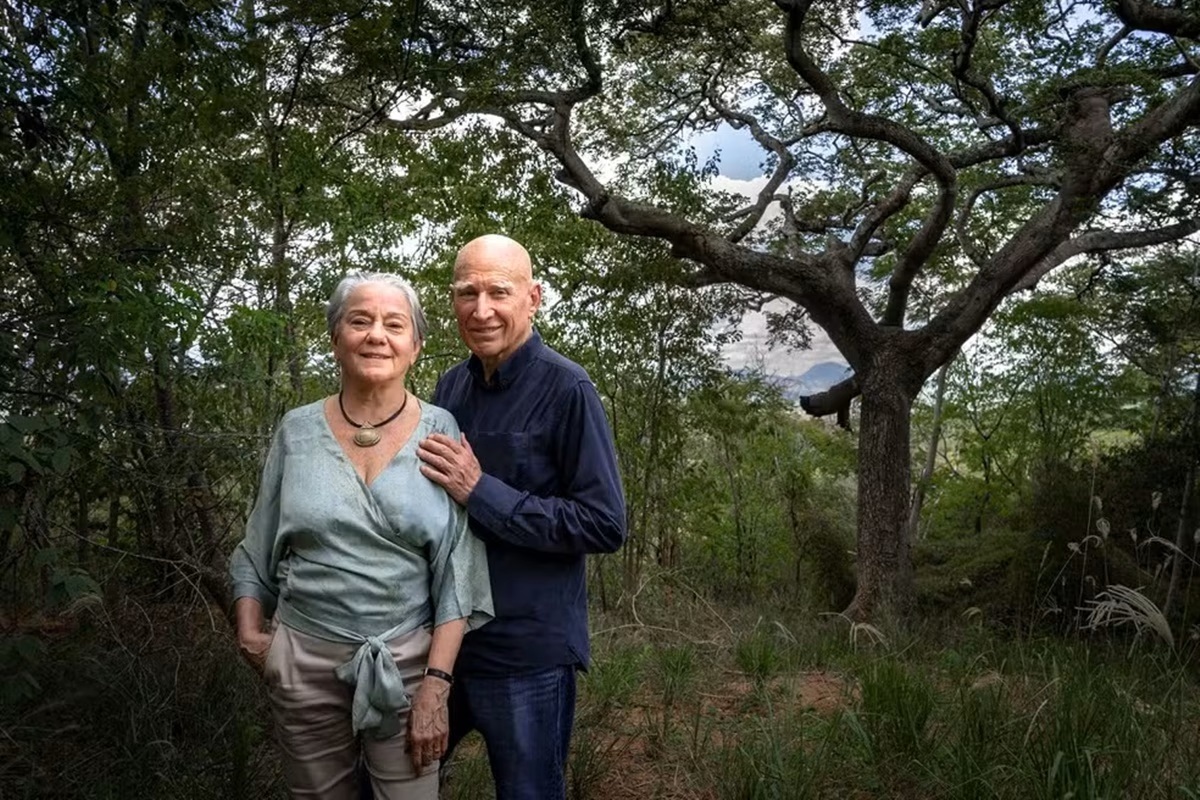
In recent years, an increasing number of people have recognized the importance of environmental issues, and more individuals are taking concrete action to improve the environment around them. One Brazilian couple managed — quite literally — to transform a desert back into a rainforest using nothing but their own hands.
Seeking peace and healing
According to reports compiled by Sound of Hope from various international media outlets, Sebastião Salgado and his wife, Lélia Wanick Salgado, live in Brazil. He grew up on a farm in the valley that spanned more than 1,750 acres.
Over the course of his career, Sebastião became one of the world’s most renowned photojournalists, traveling to 120 countries and using his camera to document diverse cultures, landscapes, and human experiences. Yet years of relentless travel eventually left him physically and emotionally exhausted. Hoping to recover and reconnect with his roots, he returned with his wife to the rainforest of his childhood — the land that had once nurtured him — seeking peace, healing, and renewal.
In 1994, Sebastião returned home exhausted in both body and spirit. Yet what awaited him only deepened his despair. The rainforest he remembered from childhood had disappeared. After years of unchecked deforestation, the once-lush land had been reduced to a barren stretch of yellow earth, with tree cover dwindling to just 0.5%. Reflecting on the devastation in a later interview, Sebastião said: “This land is sick — just as I am.” Determined to restore the land, Sebastião and his wife began discussing how they might revive the dying forest through their own efforts.
Lessons learned
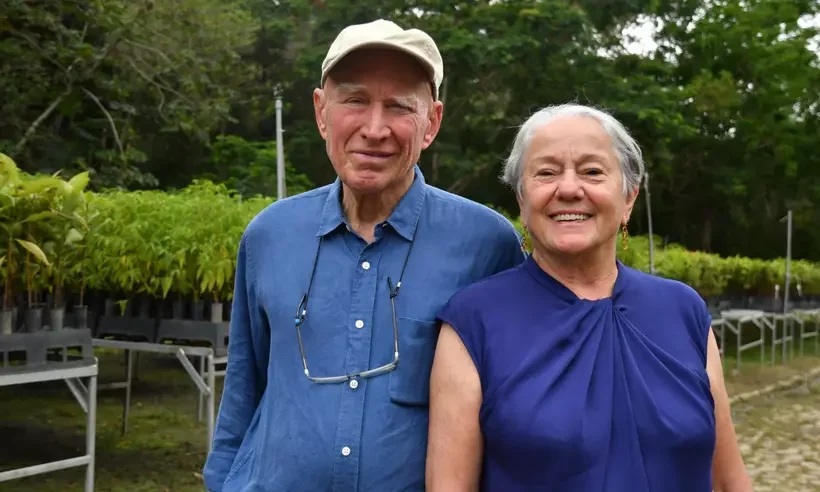
In 1998, the couple founded the non-profit organization, Instituto Terra. They later partnered with Vale — one of the world’s largest mining and forestry development companies — which donated 100,000 tree seedlings to support the project. To restore a mature forest in a relatively short time, the couple put tremendous thought and effort into selecting the right plant species.
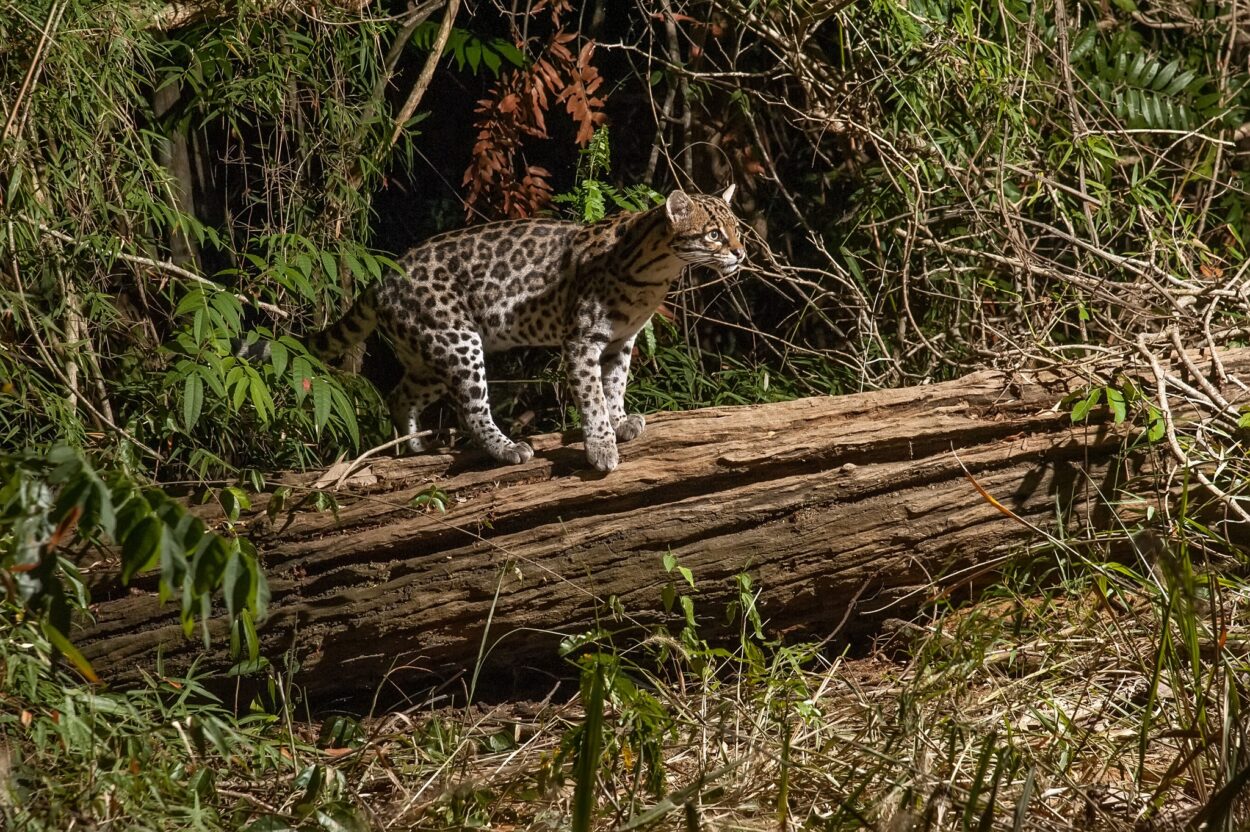
In 1999, they received their first batch of chosen seedlings for cultivation. However, the initial results were discouraging, as nearly 60% of the young plants failed to survive. Through this setback, the couple realized that restoring the land would require using native species. Indigenous plants could adapt to the soil far more quickly and, in turn, help revive the entire ecosystem by encouraging the return of wildlife, such as insects, birds, and snakes.
After this initial setback and extensive research and comparisons of species, Sebastião and Lélia ultimately focused on planting native fast-growing trees, including local pioneer species and leguminous plants. These species not only grow quickly, but also help restore nitrogen levels in the soil, improving conditions for long-term forest recovery. To support the work on the ground, they hired local farmers and relied on simple tools and environmentally friendly methods to protect the young seedlings from pests and insect infestations.
Throughout the reforestation effort, funding remained the greatest challenge. Tree planting on this scale is expensive, yet the Instituto Terra, which they founded, operates as a non-profit without a steady independent income stream. As a result, they had to continuously piece together support from the government and various organizations. However, these contributions were often insufficient to cover the full cost of the project, at times forcing the couple to use their own savings to keep the work going.
To address the funding shortfall, Sebastião made a difficult decision: he sold his cherished personal collection of cameras, which he had built over many years. He devoted the entire proceeds — about $100,000 — directly into the reforestation project, allowing the purchase of roughly 30,000 seedlings.
An amazing transformation
Although the journey was long and filled with setbacks, the results became deeply rewarding. Over the twenty-year period from 1999 to 2019, Sebastião and Lélia planted approximately two million trees. What had once been 1,750 acres of barren, degraded land was gradually transformed into a thriving micro-ecosystem. Streams that had long disappeared began to flow again, and the restored subtropical forest now supports more than 300 species of plants.
As vegetation recovered, animal life returned. The once-silent land became home to over 170 bird species and other wildlife, marking a profound ecological revival. What was once stripped bare and nearly lifeless has been brought back to vitality. The land did not recover quickly or easily — but it did recover. Year after year, tree by tree, silence gave way to sound, erosion gave way to roots, and absence gave way to life.
For Sebastião and Lélia, the result is more than ecological restoration. It stands as a living testament that even after profound destruction, renewal is still possible — and that with time, care, and unwavering commitment, what was broken can be restored to life.
Translated by Patty Zhang and edited by Tatiana Denning
Follow us on X, Facebook, or Pinterest
