
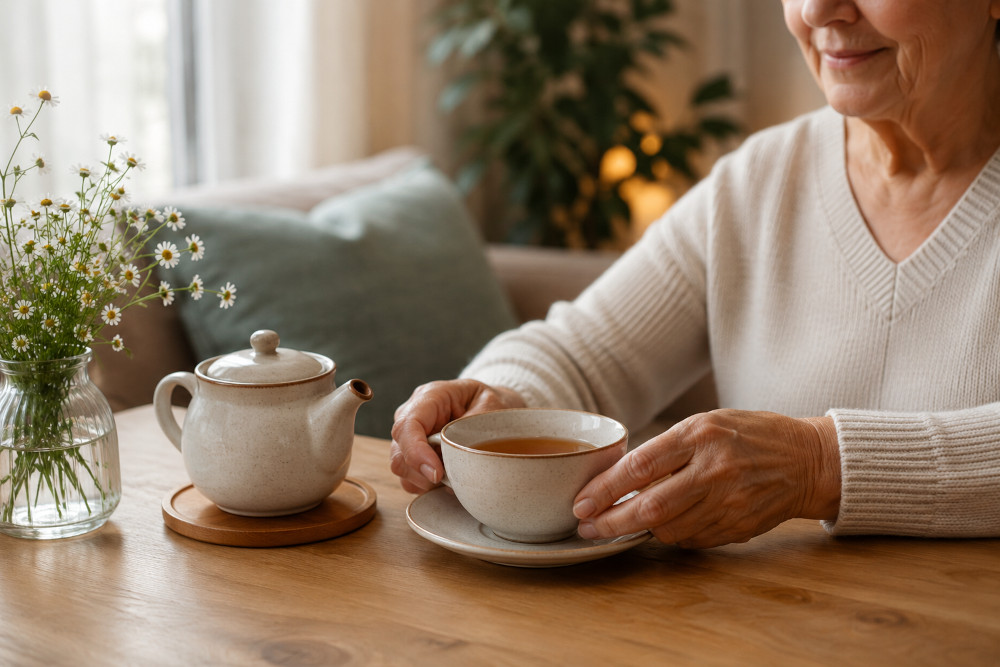
For many older adults, tea is more than a drink. It is a quiet ritual, a source of warmth, and a familiar pause in the day. A cup of green tea in the morning, black tea after breakfast, or chrysanthemum tea in the evening can bring comfort that feels both simple and deeply rooted.
Tea can fit beautifully into later life, but it deserves a little care. Older adults may be more sensitive to caffeine, more likely to take daily medications, and more vulnerable to dehydration, poor sleep, or low iron. The best tea habit is not complicated. It is moderate, well-timed, and matched to the person drinking it.
This guide explains the benefits of tea for seniors, which teas may suit different needs, what traditional Chinese medicine says about choosing tea, and when older adults should be careful.
Tea for seniors at a glance
- Best time: mid-morning or early afternoon, preferably between meals.
- Best amount: usually one to three light cups a day, depending on caffeine sensitivity and health conditions.
- Best evening choice: caffeine-free herbal teas such as chamomile, chrysanthemum, or ginger.
- Use caution: if you have insomnia, anemia, stomach ulcers, heart rhythm problems, kidney disease, or take daily medication.
- Simple rule: drink tea for comfort and balance, not as a substitute for medical care.
Why tea can be a good habit in later life
Tea has been valued for centuries because of how it makes people feel: calmer, clearer, and gently refreshed. Modern research helps explain some of that appeal, though it is important to keep the claims realistic.
A large study published in the European Journal of Preventive Cardiology found that habitual tea drinking was associated with lower risks of atherosclerotic cardiovascular disease and all-cause mortality. This does not prove that tea alone prevents heart disease or lengthens life, but it does suggest that regular, moderate tea drinking can be part of a heart-conscious lifestyle.
Tea may also support mental alertness. Green tea contains both caffeine and L-theanine, an amino acid that has been studied for its role in attention and calm focus. For seniors who are sensitive to coffee, a lighter cup of tea may provide a gentler lift.
Hydration is another quiet benefit. Older adults are at higher risk of dehydration because thirst signals can become weaker with age. Tea should not replace water entirely, but unsweetened tea can contribute to daily fluid intake and may be easier to enjoy than plain water for some seniors.
The traditional Chinese medicine view of tea
In traditional Chinese medicine, tea is not viewed only by flavor or caffeine level. It is also understood according to its energetic nature: cooling, neutral, warming, or drying. This way of thinking can be useful for older adults because it encourages people to notice how a tea actually makes them feel.
Green tea is generally considered cooling. It may suit someone who tends to feel warm, thirsty, restless, or heavy after rich foods. Black tea is more warming and may feel better for someone who is often cold, tired, or has a weaker appetite. Pu-erh tea, especially aged or ripe pu-erh, is often used after heavier meals because many people find it warming and settling.
This does not mean one tea is “best” for everyone. A senior with cold hands and feet may not feel good drinking strong iced green tea every day. Someone who already feels overheated or irritable may not want very strong warming teas all afternoon. The traditional lesson is simple: choose the tea that fits the person, the season, and the time of day.
Traditional wisdom can guide daily habits, but it should not replace medical advice, especially for older adults with chronic conditions or prescription medications.
Best teas for older adults
There is no single best tea for every senior. The right choice depends on digestion, sleep, caffeine tolerance, medication use, and personal preference.
Green tea for a gentle lift
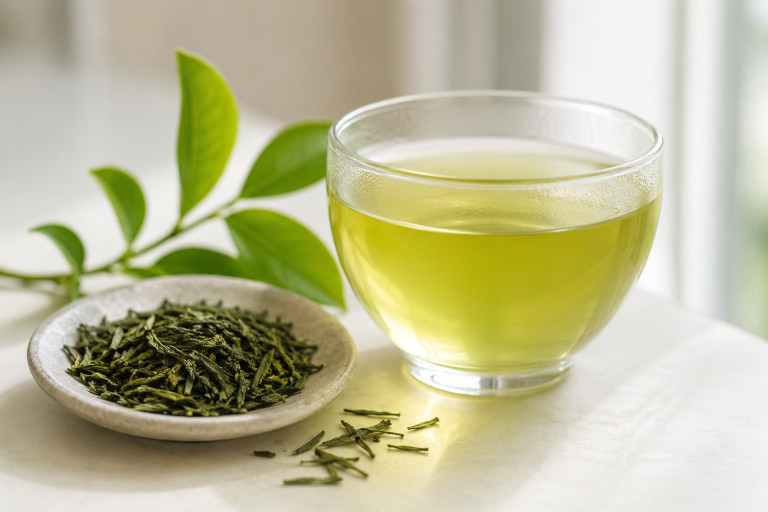
Green tea is light, fresh, and rich in plant compounds called polyphenols. It is one of the most studied teas for heart and brain health. Seniors who enjoy green tea should brew it lightly and avoid drinking it on an empty stomach if it causes nausea, shakiness, or stomach discomfort.
Black tea for warmth and routine
Black tea has a fuller flavor and usually more caffeine than green tea, though still often less than coffee. It may be a good morning choice for seniors who want warmth and alertness. Those with insomnia, anxiety, or heart rhythm concerns should keep it earlier in the day and avoid strong brews.
Pu-erh tea after heavier meals
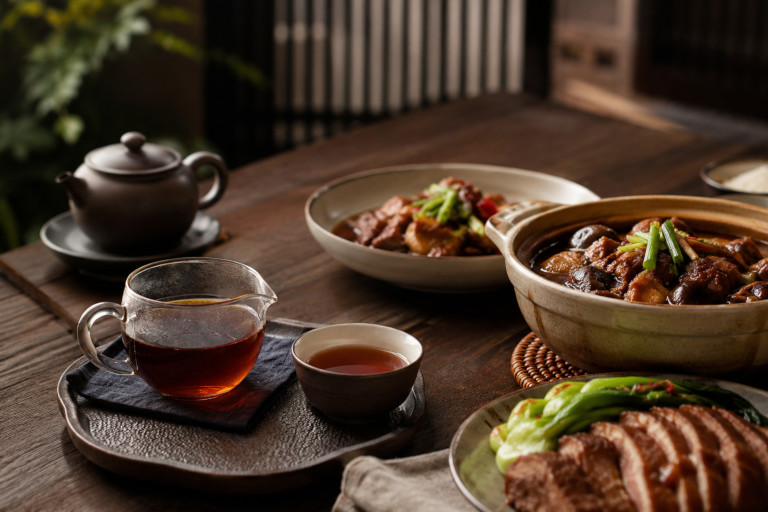
Pu-erh is a fermented and often aged tea with an earthy flavor. In Chinese tradition, it is commonly enjoyed after rich meals. Older adults who like pu-erh should still keep the brew moderate, since it can contain caffeine and may be too strong for sensitive stomachs.
Chrysanthemum tea for a caffeine-free evening cup
Chrysanthemum tea is caffeine-free and widely used in Chinese homes. It is often enjoyed in the evening or during warmer seasons. Because it is an herbal tea, seniors with allergies or complex medication schedules should treat it with the same care they would give any plant-based remedy.
Chamomile tea for bedtime comfort
Chamomile is a familiar caffeine-free option before bed. According to the National Center for Complementary and Integrative Health, chamomile is likely safe in amounts commonly found in teas, but herbal products can still interact with medications or trigger allergies in some people.
Ginger tea for warmth and digestion
Ginger tea can feel warming and settling, especially after meals. It is often used for nausea or sluggish digestion. Seniors who take blood thinners, have bleeding concerns, or are preparing for surgery should ask a clinician before using ginger heavily or medicinally.
When seniors should be careful with tea
Tea is safe for many older adults, but the details matter. The same cup that feels soothing in the morning may disturb sleep at night, irritate an empty stomach, or interfere with iron absorption when taken with meals.
Avoid strong tea on an empty stomach
Strong tea before breakfast can bother the stomach, especially in seniors with reflux, gastritis, ulcers, or a sensitive digestive system. Some people may feel shaky, lightheaded, nauseated, or restless after drinking strong tea without food. A small snack or a lighter brew is usually gentler.
Do not drink caffeinated tea late in the day
Caffeine can make it harder to fall asleep or stay asleep, and sleep often becomes lighter with age. The Mayo Clinic notes that caffeinated drinks, including tea, can interfere with sleep when consumed in the late afternoon or evening. Seniors who struggle with insomnia should keep green, black, oolong, and pu-erh teas earlier in the day.
Keep tea away from iron-rich meals and iron supplements
Tea can reduce absorption of non-heme iron, the kind found in plant foods and many fortified foods. This matters most for seniors with anemia, low iron, poor appetite, or mostly plant-based diets. A study on tea and iron absorption found that drinking tea with an iron-containing meal reduced non-heme iron absorption, while waiting about one hour helped reduce the effect. Seniors who take iron supplements should ask their doctor or pharmacist how far apart to space tea and iron.
Ask about tea and medications
Many older adults take daily medications, so this caution matters. Green tea, black tea, and herbal teas may interact with certain medicines or affect how well they work. The NCCIH notes that green tea as a beverage is generally safe for adults, but it may interact with some medicines. Seniors taking blood thinners, heart rhythm drugs, sedatives, stimulants, or multiple prescriptions should ask a pharmacist whether any tea or herbal tea should be limited or spaced away from medicine.

Let very hot tea cool before drinking
Tea should be warm and pleasant, not scalding. The International Agency for Research on Cancer has classified drinking very hot beverages above 65°C, or 149°F, as probably carcinogenic to humans, mainly because repeated heat injury may affect the esophagus. This warning is about temperature, not tea itself. Letting tea cool for a few minutes is a simple protective habit.
A simple daily tea ritual for seniors
A healthy tea routine does not need to feel strict. For most seniors, the best approach is steady and gentle:
- Start after food. Have tea after breakfast or with a light snack, not on an empty stomach.
- Brew it lighter. Use less tea or a shorter steeping time if caffeine or tannins bother the stomach.
- Drink between meals. Leave about an hour before and after iron-rich meals or iron supplements.
- Keep caffeine early. Enjoy green, black, oolong, or pu-erh tea in the morning or early afternoon.
- Choose caffeine-free at night. Chamomile, chrysanthemum, or mild ginger tea can preserve the ritual without disturbing sleep.
- Skip the sugar-heavy versions. Bottled sweet tea, bubble tea, and flavored drinks can add far more sugar than seniors need.
The goal is not to turn tea into a set of rules. The goal is to keep the pleasure while avoiding the most common problems.
Frequently asked questions about tea for seniors
Is tea good for seniors?
For many seniors, yes. Unsweetened tea can support hydration, provide a comforting routine, and offer plant compounds associated with heart and brain health. The key is moderation and timing.
How much tea should an older adult drink?
Many older adults do well with one to three light cups a day. Seniors who are sensitive to caffeine, have insomnia, take several medications, or have anemia may need less, or may need to choose caffeine-free herbal teas.
What is the best tea for older adults?
The best tea depends on the person. Green tea may suit someone who wants a light daytime cup. Black tea may suit someone who prefers warmth and a fuller flavor. Pu-erh may feel comforting after heavier meals. Chamomile or chrysanthemum may be better at night because they are caffeine-free.
Should seniors drink tea before bed?
Seniors who want tea before bed should choose caffeine-free options. Green, black, oolong, and pu-erh tea can contain enough caffeine to disturb sleep, especially when consumed late in the day.
Can tea interfere with medication?
Yes, in some cases. Tea and herbal teas may interact with certain medications or affect absorption. Older adults who take daily prescriptions should ask a pharmacist or doctor about their specific medicines rather than guessing.
The best cup is the one that fits the person
Tea can be one of the gentle pleasures of aging: warm in the hands, calming to the mind, and easy to share with family or friends. Modern research suggests that moderate tea drinking can be part of a healthy lifestyle, while traditional Chinese wisdom reminds us to match the tea to the person, the season, and the body’s needs.
For seniors, the wisest cup is usually light, warm, unsweetened, and well-timed. Drink it between meals, avoid caffeine near bedtime, let very hot tea cool, and ask about medication interactions when needed. With those simple habits, tea remains what it has long been: a quiet daily comfort that supports balance without asking for much in return.
Follow us on X, Facebook, or Pinterest
