
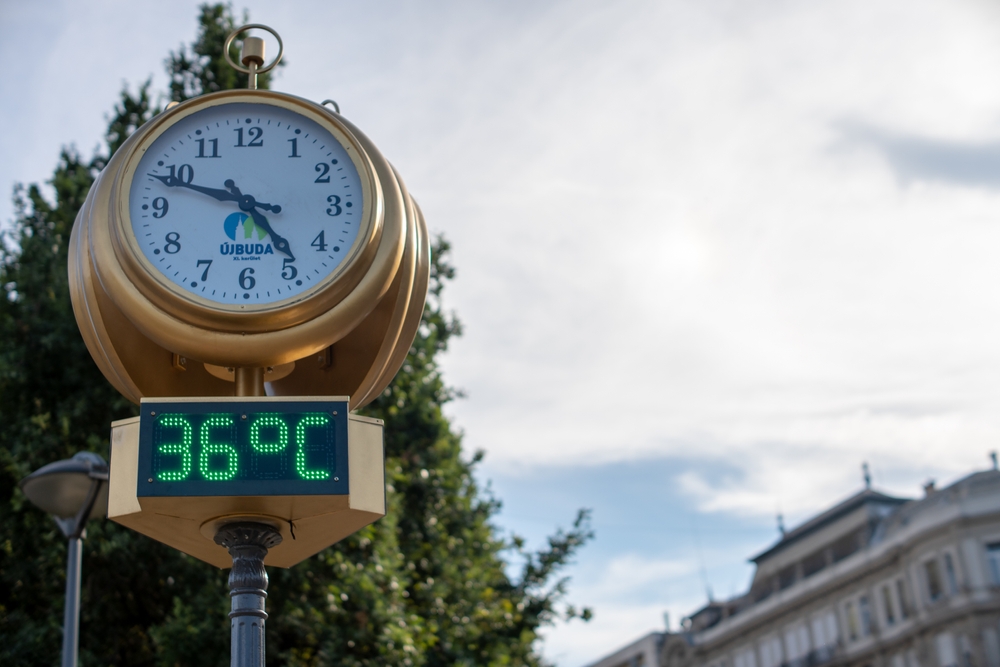
Heat wave survival is not a passive affair — and the sooner we stop treating high-temperature seasons as something to simply endure, the sooner we can begin using them the way hot-climate cultures have for centuries: as a periodic physiological reset. The idea sounds counterintuitive at first. Extreme heat is dangerous. Every summer the headlines confirm this. But between the danger and the passive suffering there is a third mode — one that sauna culture, Bedouin tradition, traditional Chinese medicine (TCM) practitioners, and now peer-reviewed sports medicine all quietly agree upon. Heat, intelligently managed, is a tool.
What the world’s warmest regions figured out long ago is that the body already knows how to handle heat. The challenge is not to fight it, but to support the systems that process it. That means understanding what sweating actually depletes, what replaces it, why drinking more plain water can paradoxically make you feel worse, and why a hot cup of peppermint tea — the drink of choice from Marrakech to Riyadh — might be more rational than the iced drink in your hand right now.
The planet is setting records — and the trend is not reversing
To understand why heat management has become a life skill rather than a niche interest, it helps to look at what the thermometers are recording. The official world record for air temperature — 56.7°C (134°F) — was set on July 10, 1913, at Furnace Creek Ranch in Death Valley, California, and has stood for over a century. But the records that matter most to the people living through them are not the all-time maximums. They are the cascading regional records being rewritten almost annually.
July 22, 2024, became the single warmest day in recorded global history, with the average planetary surface temperature reaching 17.16°C — a figure that surpassed the previous record set the day before. Europe saw its hottest verified temperature ever in Syracuse, Sicily, where 48.8°C was officially certified by the World Meteorological Organization in 2024. The United Kingdom crossed 40°C for the first time in its recorded history in July 2022. Southeast Asia saw its worst April heatwave on record in 2023, with temperatures in Laos and Thailand reaching into the high 40s. The WMO’s State of the Global Climate 2025 report confirmed that the period from 2015 to 2025 was the warmest eleven-year span since temperature records began. These are not anomalies. They are a new baseline. And if heat is the new normal, then understanding how to live inside it — not just survive it — has become essential knowledge.
Heat as a health mechanism: What your body does when the temperature rises
The comparison between a heat wave and a sauna is not casual — it is physiologically precise. In both cases, the body responds to a rise in ambient temperature with an identifiable cascade: blood vessels near the skin dilate, cardiac output increases, heart rate elevates, and the eccrine sweat glands activate to begin evaporative cooling. Research published in JAMA Internal Medicine has linked regular sauna use to significantly reduced risk of cardiovascular mortality, and a 2018 systematic review in Evidence-Based Complementary and Alternative Medicine identified multiple mechanisms behind the effect — including increased bioavailability of nitric oxide in the vascular endothelium, heat shock protein activation, and immune pathway modulation.
The same review, published in PMC (PubMed Central), confirmed something that earlier studies had hinted at: sweat-induced excretion of toxic metals — arsenic, cadmium, lead, mercury — occurs at rates that match or exceed those of urinary excretion. Beyond heavy metals, there is evidence that xenobiotics, including polybrominated diphenyl ether flame retardants, organochlorine pesticides, bisphenol A, and phthalates, are also excreted in sweat at rates exceeding those via urinary routes. Heat shock protein-mediated metabolic activation. Enhanced excretion of toxicants through sweat. Improved cardiovascular output. These are not wellness claims — they are peer-reviewed mechanisms now cataloged in medical literature.
It is important to be precise here. The liver and kidneys remain the primary organs of detoxification. Sweating does not replace them and should not be marketed as a comprehensive detox cure. What the evidence supports is more specific and therefore more genuinely useful: that induced sweating — whether from sauna, hot weather, or exercise — activates parallel excretion pathways that meaningfully supplement the body’s primary filtration systems, particularly for fat-soluble compounds that accumulate in tissue over time. Heat, in other words, opens a door that otherwise stays mostly closed.
The physiological response also includes something that research has increasingly taken seriously: heat acclimation. The body’s ability to regulate temperature improves measurably after repeated heat exposure. Acclimated individuals sweat earlier, sweat more efficiently, and — critically — lose significantly less sodium in their sweat than non-acclimated individuals, because the sweat glands improve their sodium reabsorption capacity. The body literally trains itself to handle heat more intelligently the more it is exposed to heat. A heat wave, managed correctly, accelerates that adaptation.
The hydration mistake everyone makes — and why water alone is not enough
The single most common heat management error is reaching for plain water and stopping there. It feels correct. It is partially correct. But it misses something the body urgently needs, and that omission produces symptoms — headaches, muscle cramps, fatigue, brain fog, dizziness — that are frequently misattributed to heat itself rather than to the depletion it causes.
Sweat is not water. It is a mineral-rich fluid containing sodium, chloride, potassium, magnesium, and calcium in electrically active form. Research published in the American Journal of Clinical Nutrition established that sodium is the dominant electrolyte in sweat, averaging 35 mmol per liter, with concentrations varying considerably based on sweating rate and degree of heat acclimatization. Potassium averages around 5 mmol per liter, magnesium around 0.8 mmol per liter. During prolonged heat exposure, when sweat rates can reach 0.3 to 2.4 liters per hour, these losses become medically significant.
Replacing sweat volume with plain water without replenishing minerals can lead to hyponatremia — a dangerous dilution of blood sodium levels. It produces symptoms that are clinically similar to dehydration itself: nausea, confusion, cramps, and fatigue. It is the reason marathon runners who drink excessively during a race sometimes collapse not from dehydration but from the opposite: overhydration without electrolyte replacement. The same mechanism operates, more slowly, during a multi-day heat wave. Drinking large quantities of plain water during sustained heat without mineral replacement can produce symptoms identical to dehydration — because physiologically, that is essentially what it is.
The nutrients that become critically important during high-heat phases are:
- Sodium: Regulates fluid balance at the cellular level, maintains nerve signaling, and is the electrolyte most rapidly depleted by heavy sweating. Natural sources include sea salt, miso, olives, and pickled vegetables.
- Potassium: counterbalances sodium, supports muscle function, and helps prevent cramping. Found in high concentrations in bananas, avocado, sweet potato, and coconut water.
- Magnesium: Involved in over 300 enzymatic reactions, supports muscle relaxation, nerve function, and sleep quality — all of which deteriorate in heat. Rich sources include dark leafy greens, pumpkin seeds, dark chocolate, and almonds.
- Calcium: Supports muscle contraction and nerve transmission; depleted more slowly than sodium but still relevant in extended heat phases. Sesame seeds, sardines, and dairy are concentrated sources.
- Chloride: Travels with sodium and is equally essential for maintaining fluid osmolarity. Naturally replaced alongside sodium in food sources.
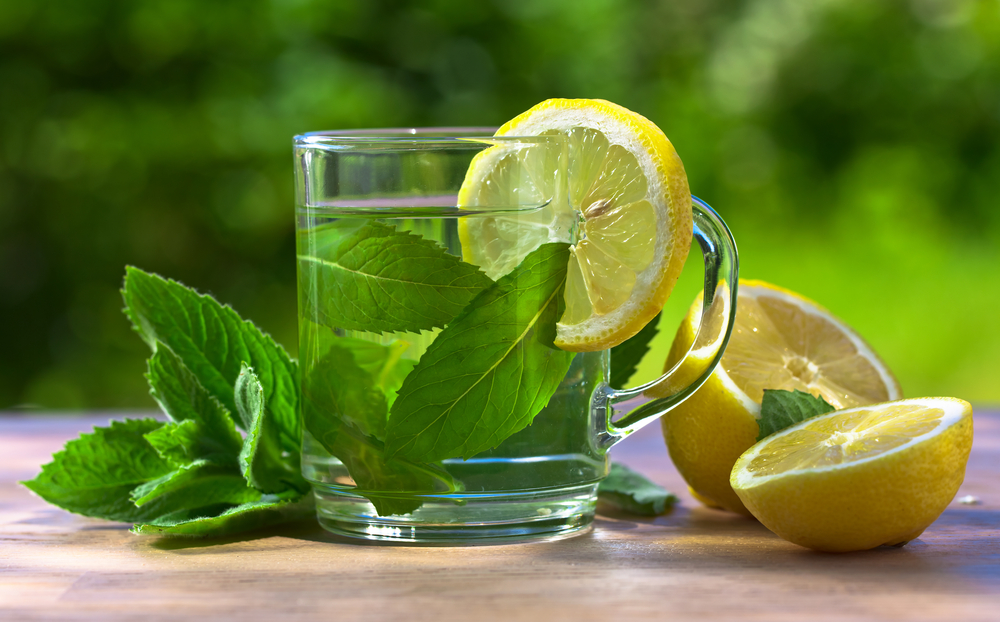
A practical formulation that mirrors medical rehydration principles: add a pinch of quality sea salt and a squeeze of lemon to water, alongside potassium-rich food. This approximates the mineral profile of sweat without the sugar content of commercial sports drinks, which frequently contain more sweetener than electrolyte.
Hot peppermint tea in 40-degree heat — the science behind an ancient paradox
Anyone who has spent time in Morocco, the Gulf states, or the Levant during summer has encountered this scene: temperatures above 40°C outside, and locals sitting contentedly with a glass of hot mint tea. To the uninitiated, it reads as cultural stoicism. The science reveals it as something more sophisticated.
Hot drinks do raise the body’s core temperature. This is not disputed. What they also do, according to research conducted at the University of Ottawa’s Human and Environmental Physiology Research Unit and later discussed by thermoregulation researchers at King’s College London, is trigger a thermoceptive response in the throat and stomach that disproportionately increases sweat production relative to the heat added. If that extra sweat evaporates — which it does efficiently in the dry heat characteristic of desert climates — the net heat loss exceeds the heat gained from the drink. The body emerges cooler than before it drank. The mechanism is evaporative cooling, activated through a thermal signal that the body interprets as a directive to accelerate the process.
Peter McNaughton, a professor of pharmacology at King’s College London who studies thermoregulation, has stated plainly that drinking a hot drink really does reduce body temperature — provided the conditions allow sweat to evaporate. The critical variable is humidity. In dry heat, the strategy works. In humid conditions — where sweat cannot evaporate efficiently — the calculation changes, and the effect diminishes or reverses.
Peppermint adds a second mechanism entirely. Menthol, the active compound in peppermint leaves, activates a protein receptor in the mouth and throat called TRPM8 — the same receptor that responds to actual cold temperatures. The brain receives a cold signal from a warm drink. It does not produce additional body warmth in response. Instead, it generates the subjective sensation of coolness, reducing the felt experience of heat independently of core temperature. The mint family at large — basil, oregano, thyme, sage, tarragon — shares this TRPM8-activating property to varying degrees. The Moroccan and Bedouin traditions lacked receptor pharmacology to explain their discoveries. They had something equally reliable: generations of empirical observation. Menthol in peppermint triggers the same cold-sensing receptor as actual ice. The brain reports cooling. The body responds accordingly. This is not folk belief — it is receptor pharmacology.
Foods and smoothies for high-heat phases
The dietary logic of heat season follows directly from what the body loses and what it needs to sustain its cooling operations. The emphasis shifts toward mineral density, high water content, cooling enzymatic activity, and light digestibility — because digestion itself generates internal heat, and heavy meals in extreme weather are a physiological burden.
Smoothies for heat season:
- Watermelon, cucumber, and mint: High water content, natural electrolytes, and menthol cooling. Watermelon also contains citrulline, an amino acid that supports nitric oxide production and vascular dilation.
- Coconut water, banana, and ginger: Coconut water is one of the most complete natural sources of electrolytes, naturally high in potassium, sodium, calcium, and magnesium. Banana adds potassium depth. Ginger has a mild thermogenic effect that actually supports the body’s self-regulation.
- Mango, lime, sea salt, and chili: Mango provides potassium and vitamin C. The salt replaces sodium. A small amount of chili activates another capsaicin-sensitive thermal receptor (TRPV1), triggering perspiration and an evaporative cooling response similar to hot tea, but with the citrus freshness of a cold drink.
- Frozen pineapple, spinach, and almond milk: Bromelain in pineapple supports anti-inflammatory pathways that heat can disrupt. Spinach is magnesium-rich. A simple, anti-inflammatory base for sustained heat exposure.
- Hibiscus, rose hip, and honey cold brew: Hibiscus has been studied for its blood pressure-lowering properties, which matter when heat-induced vasodilation increases cardiovascular stress. Rose hip provides vitamin C. Steep overnight in cold water for a mineral-rich, subtly tart drink that requires no heat.
Foods to prioritize during high-heat phases:
- Cucumber: Ninety-five percent water by composition, provides silica and small amounts of potassium. Eaten whole or as cold soup.
- Avocado: Among the most potassium-dense foods available. Also provides healthy fats that support cellular membrane integrity under heat stress.
- Fermented foods: Miso, kefir, yogurt, kimchi — provide sodium alongside probiotic cultures. Heat stress can disrupt gut motility; fermented foods can help restore it.
- Dark leafy greens: High in magnesium, folate, and water content. Better eaten raw or lightly steamed during heat to minimize digestive load.
- Oily fish: Sardines, mackerel, salmon — provide calcium, omega-3 fatty acids, and complete protein without the heavy digestive burden of red meat.
- Melon: Cantaloupe and honeydew contain beta-carotene and potassium, as well as being high in water. A natural electrolyte delivery system.
- Lemon and citrus: The high potassium and vitamin C content, combined with natural alkalizing properties, make citrus a daily heat-season staple across every hot-climate cuisine.
Cooling from the inside — what actually lowers core temperature
The strategies that reliably reduce core temperature are less dramatic than they appear on the surface, but more effective in combination than any single intervention:
- Cold water immersion of the wrists and temples. This works because the blood vessels running close to the skin’s surface at these points rapidly carry blood back to the core. Cooling the wrist transit point lowers the temperature of blood returning to circulation. It is the anatomical basis of the ancient practice of wetting the pulse points.
- Sleeping with a damp cloth on the feet. The feet contain a dense concentration of eccrine sweat glands and blood vessels close to the surface. Cooling them at night supports the drop in core temperature that the body needs to initiate and sustain quality sleep — which is significantly disrupted during heat waves.
- Eating smaller, more frequent meals. Digestion raises internal temperature through the thermogenic effect of food — a process called diet-induced thermogenesis. A large meal forces the metabolic furnace up precisely when the body is trying to cool. Small, water-rich, easily digested meals spread through the day keep the internal heat load manageable.
- Avoiding alcohol. Alcohol creates the subjective sensation of warmth while simultaneously dilating blood vessels and increasing urine output — accelerating dehydration and mineral loss at exactly the moment the body needs both. It also disrupts the thermoregulatory signaling that governs the accuracy of sweating.

A daily protocol for extreme heat season
The following is a practical daily structure for extended heat phases, drawing on the physiological principles above:
- On waking: Before coffee, before food — water with a pinch of sea salt and the juice of half a lemon. This rehydrates and helps restore electrolytes after the overnight fasting period, during which the body continues to lose fluid through breathing and sweating.
- Morning: If exercise is part of your routine, do it before 9 am or after 7 pm. The solar load and ambient temperature between 10am and 6 pm in a genuine heat wave significantly increase cardiovascular strain during physical effort. Morning light exercise also helps mitigate the disruption of circadian rhythms caused by extreme heat.
- Breakfast: A cooling, mineral-dense meal. Yogurt with cucumber, mint, and a drizzle of olive oil (a version of the Middle Eastern breakfast table). Alternatively, a green smoothie with coconut water, banana, and spinach. Avoid heavy proteins and dense starches until the evening when the body’s internal temperature is naturally declining.
- Midday: The hottest part of the day in most climates. Stay indoors if possible. If outdoors, wear loose, light-coloured, breathable natural fabrics — cotton or linen — which wick sweat and allow evaporation. A hot peppermint or hibiscus tea, with shade and rest, will do more for your thermal comfort than an iced drink in direct sun, because the iced drink does not trigger perspiration and provides only momentary relief.
- Afternoon: Hydrate consistently — not in large boluses but in steady sips across the day. A 500ml glass of coconut water, or water with electrolyte tablets or a pinch of quality salt, replaces what sweating has removed. Fruit — melon, cucumber, citrus — counts toward hydration.
- Evening meal: The largest meal of the day. The body’s temperature begins to fall naturally in the late afternoon, making digestion easier and the thermogenic effect of food less of a burden. Focus on complete proteins, leafy greens, and fermented foods to support gut health and replenish the mineral debt accumulated throughout the day.
- Night: Keep the bedroom as cool as possible. A fan that moves air across a damp surface — a damp sheet, a bowl of cold water — creates evaporative cooling in the room. Cool the feet. Avoid screens immediately before sleep, as the blue-light disruption is compounded by heat-related suppression of melatonin. Magnesium supplementation (magnesium glycinate or bisglycinate) before bed supports both sleep quality and the muscle relaxation the body needs to fully recover from heat stress.
The planet’s temperature records are being rewritten almost annually now. What was once an exceptional summer event — the kind that merits its own name, its own news cycle — is becoming the background condition of entire seasons. This shift demands something more than emergency preparedness. It demands that the knowledge already embedded in the cuisines, rituals, and traditional medicine of the world’s hottest cultures be taken seriously not as folklore but as field-tested thermal physiology.
The Bedouin who drinks hot mint tea in the midday shade, the Moroccan breakfast of cucumber and yogurt, the Bedouin preference for loose linen robes in white or pale tones, the evening meal after the heat breaks — these are not arbitrary customs. They are solutions. And the peer-reviewed literature on heat shock proteins, sweat-pathway excretion, TRPM8 receptor activation, and electrolyte kinetics is increasingly explaining exactly why they work.
Heat waves are not simply a risk to manage. For those who understand the physiology, they are a seasonal invitation — to support the detox pathways that cold months partially suppress, to train cardiovascular adaptation, to re-learn the discipline of eating and drinking in service of the body’s actual needs rather than the comfort of habit. The temperature is rising. So is the quality of evidence for how to respond to it intelligently.
Follow us on X, Facebook, or Pinterest
