
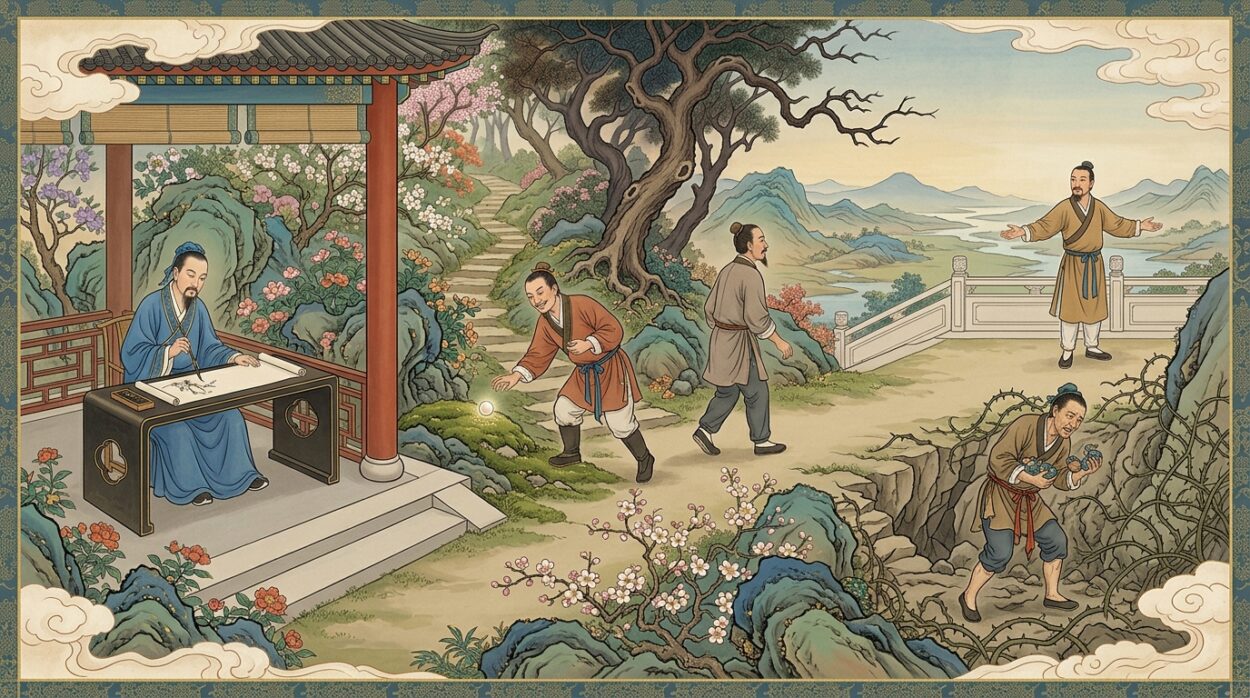
There is a saying we often hear in life: “If there is an advantage to be had, a fool is the one who doesn’t take it.” For some people, life becomes a constant search for small gains. Their eyes remain fixed on what they can get, while the things of truly greater value gradually disappear from view. But life cannot be measured by how much we manage to gain. Knowing when to accept a loss — and when to walk away from an advantage — is also part of living.
There is also an old saying: “If you want to succeed in life, learn to endure two things: hardship and losses.” Sometimes, the wisdom to leave a small advantage untouched is worth far more than whatever we might gain by taking it. What appears to be a loss in the moment may, in the larger course of our lives, be a gain of something far more valuable: our character, our peace of mind, and our ability to live with a clear conscience. Sometimes, the smartest move is not to take advantage at all.
Seeking petty advantages will eventually destroy your reputation and future
Xuefeng Yicun (822–908) wrote in Collected Writings of the Zen Monastery: “Though fortunate incidents may occur in this world, one should never build one’s life upon the hope of getting lucky.” Those who are always looking for opportunities to benefit at someone else’s expense may feel a quiet sense of satisfaction each time they get away with something. What they fail to see is that these seemingly small acts of opportunism can, little by little, erode their character, narrow their perspective, and eventually cause harm beyond what they ever imagined.
During the pandemic, a story from Shanghai drew widespread online attention. At the time, due to special delivery arrangements, packages from an entire residential community were being consolidated in a temporary storage area. A man named Wang passed the storage area every day. Seeing the large pile of packages, he thought: There are so many of them. Surely no one will notice if a few go missing. So he began taking them. Over time, he stole nearly ten packages worth several thousand yuan.
Small acts of greed carry hidden costs that far outweigh short gains
What makes the story particularly ironic is that Wang held a graduate degree and earned a monthly salary of 20,000 yuan. Yet because he let himself believe he could take advantage of the situation without consequences, an educated man with a good income ultimately became a thief and was detained under the law. Albert Einstein once wrote: “There is no such thing as luck. What appears to be the most accidental occurrence may also have its inevitable cause.”
The advantages we think we have gained through a moment of opportunism may, in fact, be planting the seeds of trouble for the future. What seems like a small gain today may carry a cost we cannot yet see — and what appears to be a loss may sometimes be protecting us from a far greater one. To refrain from taking advantage of others is a sign of good character. Indeed, the more cultivated a person is, the more willing he is to accept a small loss rather than take what does not rightfully belong to him. What looks like a loss in the moment may actually be a gain over the larger course of life.
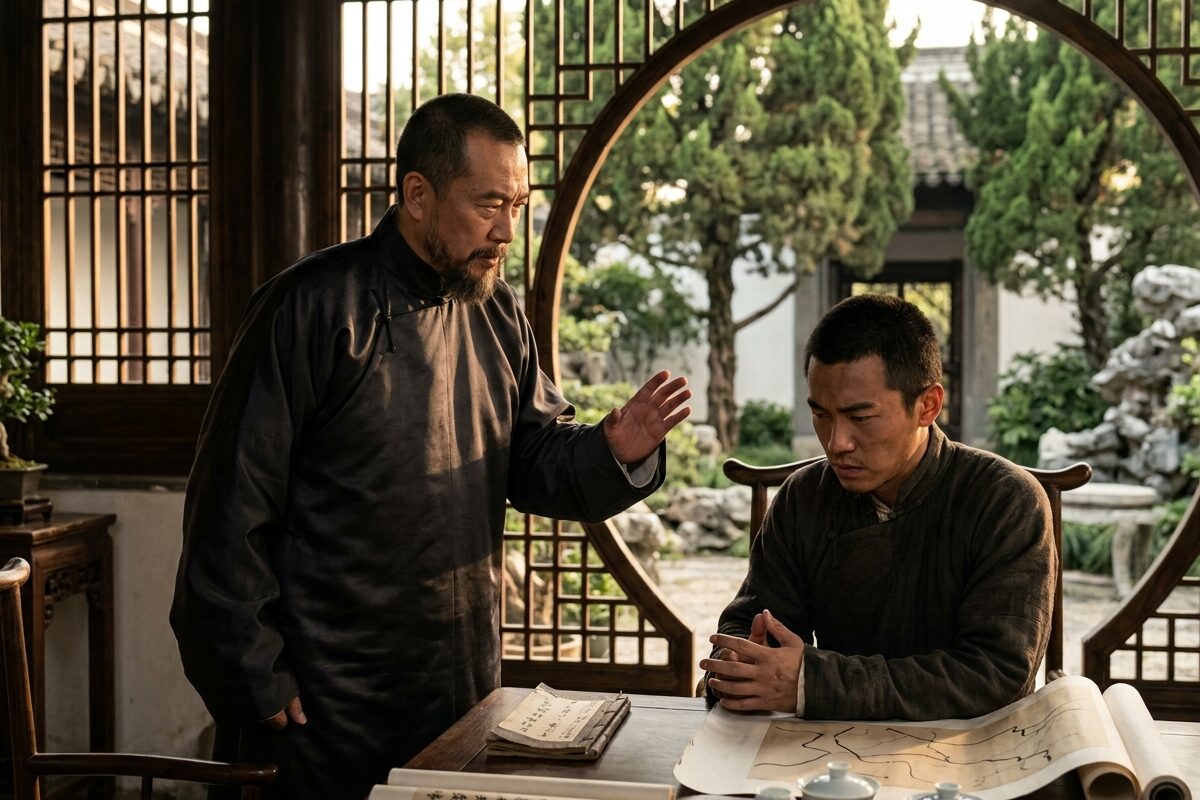
Integrity requires refusing to exploit influence for personal benefit
There is a story about Zeng Guofan’s younger brother, Zeng Guoquan, who loved taking advantage of others. After capturing Jingdezhen, Zeng Guoquan returned home to arrange the relocation of his family’s ancestral graves. Relying on his family’s influence, he took over part of a local family’s land and cut down their trees. When Zeng Guofan learned what had happened, he was furious. He was angry that his brother had used the family’s power to take advantage of ordinary villagers and damage the family’s reputation. But beneath his anger was an even deeper concern.
As their status and influence grew, he worried that the family might gradually become arrogant, entitled, and accustomed to taking whatever they wanted. If that happened, how could they hope to preserve their fortune and leave a good legacy for future generations? Zeng Guofan warned: “Never take the slightest advantage of another person, and never casually take what belongs to someone else.”
His words reflected wisdom that extended far beyond his family’s circumstances. Someone who constantly seeks small advantages may gain something in the short term. But each time we take what is not rightfully ours, we give up something of ourselves in return. In the long run, what we lose may be far greater than what we gained. Sometimes, the willingness to accept a small loss is precisely what allows us to preserve something much more valuable — our character, our integrity, and the respect of others.
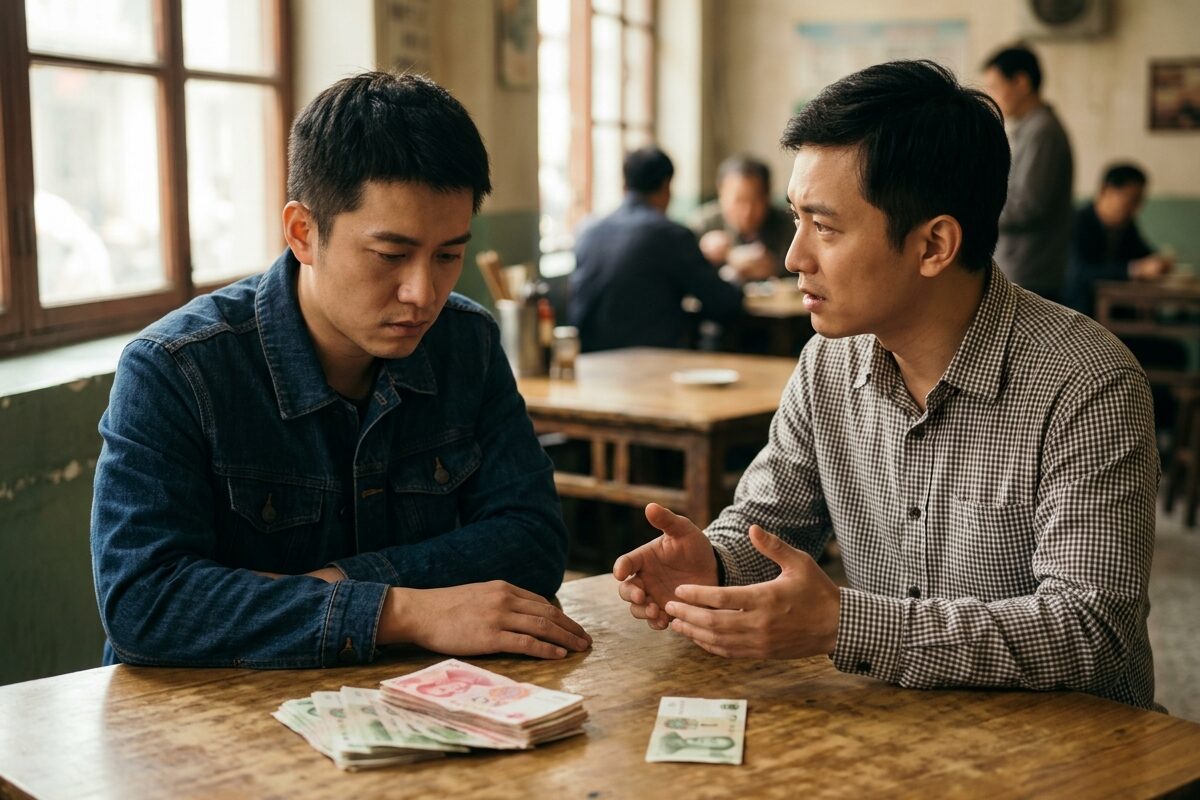
Selfish calculations in minor transactions can cost you lifelong relationships
Several years ago, a classmate from another city asked to borrow 1,000 yuan. At the time, bank transfers were still commonly made through the post office, and a ten-yuan service fee was deducted from the amount being transferred. So, although the friend sent 1,000 yuan, the classmate received only 990 yuan. Later, when it was time to repay the loan, the classmate returned only 990 yuan. The friend pointed out that he had originally sent 1,000 yuan. The classmate replied, essentially, “I can only return what I received. The ten yuan was a bank fee, and I never received it.”
The friend never contacted him again. Losing a friendship over ten yuan may seem absurd. But between adults, a relationship can indeed be damaged by something that seems so small. No one wants to feel taken advantage of — and it is difficult to continue cherishing a relationship with someone who is constantly calculating what he can get from you.
Friendship, like any lasting relationship, requires reciprocity. Even a strong bond can eventually suffocate under the weight of constant calculation and one-sided taking. An ancient saying expresses this beautifully: “If someone gives you a peach, return a fine jade.” Human relationships are rather like money deposited in a bank. Every withdrawal reduces what remains. We should never take what others give us for granted or assume that any relationship has an unlimited capacity to give.
As friends, we learn to cherish what others offer, understand the importance of reciprocity, speak openly about money when necessary, and strive to be fair in our dealings with one another. Money can test a friendship — but handled with honesty and clarity, it can also protect one.
Sima Qian is often credited with the saying: “Small matters reveal one’s perspective; details reveal one’s character.” Not being petty shows character. Not taking advantage of others is an even greater sign of wisdom. A person with a broad perspective looks beyond immediate gain. He will not sacrifice a relationship, his principles, or his integrity for a small benefit. Someone with a narrower perspective, however, may become so focused on what he can gain from others that he gradually loses both his character and his sense of proportion.
Life is a journey. We should not keep our eyes fixed only on the small things directly beneath our feet. Lift your head from time to time and look at the scenery around you. When the heart becomes more generous, the journey grows brighter — and the road ahead widens.
Translated by Katy Liu and reviewed by Tatiana Denning
Follow us on X, Facebook, or Pinterest
