
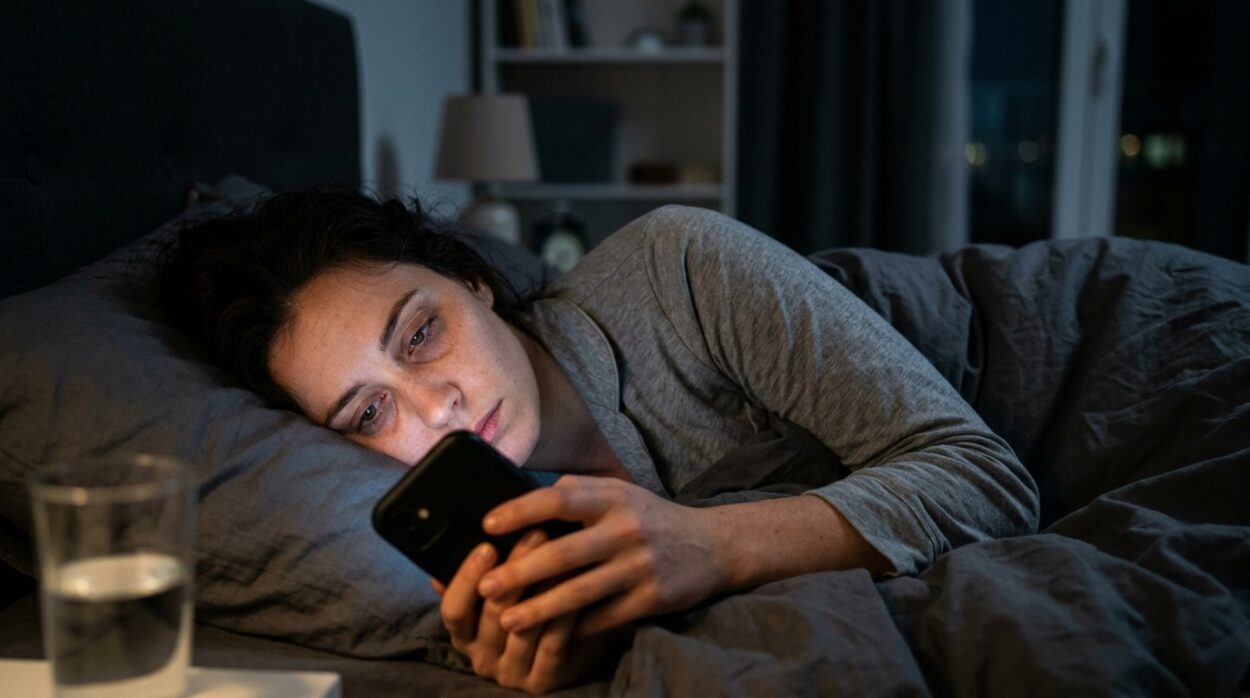
In an age when almost everyone carries a smartphone, your eyes can feel like overworked employees who never get to clock out. For many of us, the first thing we do in the morning is reach for our phones, and the last thing we do at night is look at them again. Throughout the day, you scroll through videos, read, answer messages, check social media, and do your work on screens. Hours can pass with your eyes focused on a small, brightly lit display.
It’s no wonder that many people experience dry, tired, irritated, or strained eyes. Some even notice temporary blurred vision or difficulty refocusing after spending a long time looking at something close. Of course, giving up smartphones altogether may not be realistic; instead, you can develop simple habits that give your eyes regular opportunities to rest and relax. Let’s first look at what makes phone use so tiring for the eyes — and what you can do about it.
Continuous focusing and rare blinks tire eyes
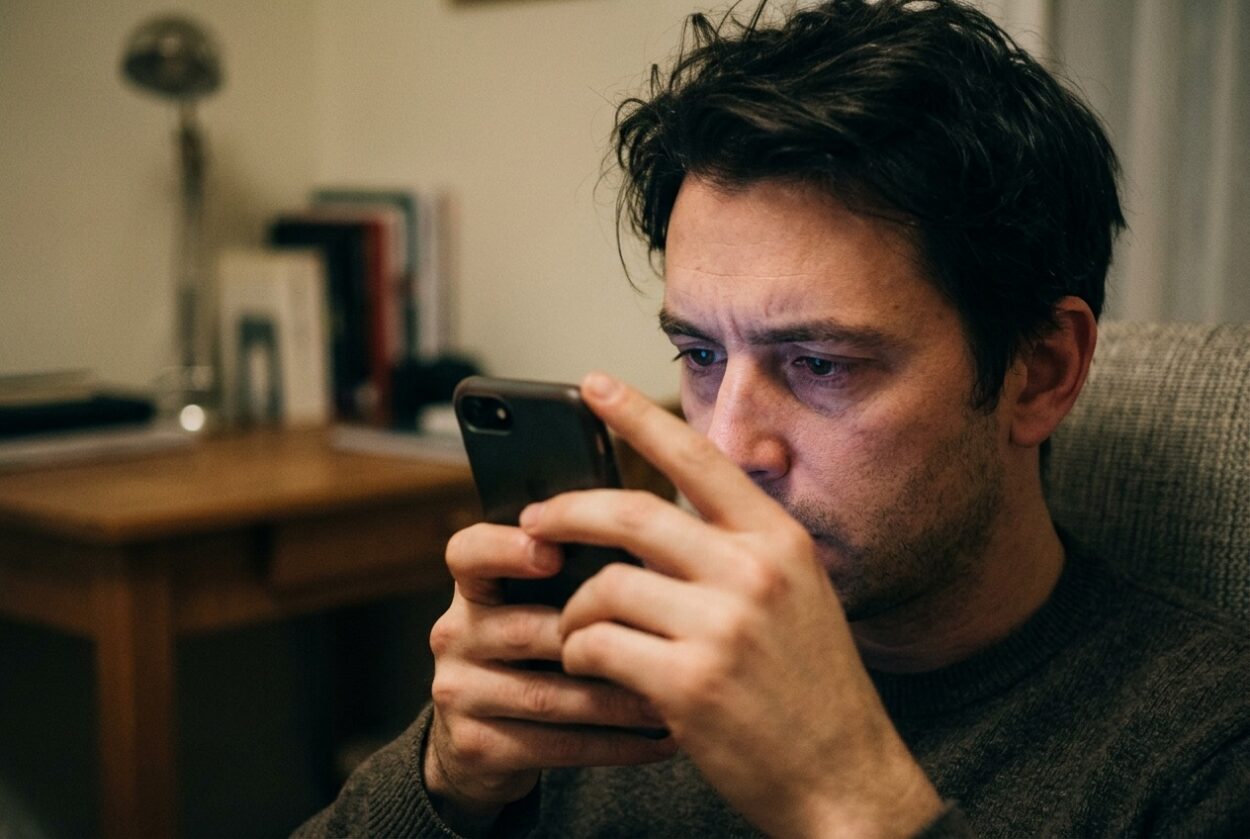
One reason is that smartphones require sustained close-up focus. When we look at something nearby, the muscles that focus our eyes remain active. Unlike looking across a room or into the distance, prolonged close-up work keeps these muscles working continuously. The smaller the text and the closer we hold the phone, the harder our eyes have to work.
It’s similar to holding your arm in one position for an extended period. Even if the weight is light, eventually the muscles begin to feel the strain. But focusing is only part of the problem. When we become absorbed in reading or watching something on a screen, we tend to blink less frequently. Blinking is essential because each blink helps spread tears across the eye’s surface, keeping it moist and comfortable.
When we blink less, the tear film can become unstable, and moisture evaporates more quickly. This can contribute to dryness, burning, irritation, and the feeling that your eyes are tired or gritty. This is one reason your eyes may feel comfortable when you start using your phone but become increasingly dry or strained after an hour of uninterrupted screen time.
Regular brief breaks restore visual comfort
If avoiding screens isn’t realistic, build short breaks into your day. One of the simplest habits is the 20-20-20 rule: every 20 minutes, look at something about 20 feet away for at least 20 seconds. The idea is simple: interrupt prolonged near focusing and give your eyes a chance to relax. Looking into the distance also gives you a natural opportunity to blink normally and stop concentrating intensely on the screen.
Think of it as a brief reset, not another task on your to-do list. You don’t need to wait until your eyes begin to hurt; the real benefit comes from making these breaks a regular part of screen use.
Simple environmental adjustments protect eye health
Knowing the 20-20-20 rule is one thing, but remembering to do it is another. A few simple changes can make the habit much easier.
- Use reminders: When you become absorbed in something interesting, it is easy to lose track of time. As you’re developing this habit, set a gentle reminder or timer to prompt you to look away periodically. When it goes off, pause — even if only for a few seconds — and look across the room or out a window.
- Remember to blink: If your eyes tend to feel dry while using your phone or computer, consciously remind yourself to blink fully and regularly. A small note near your workspace saying “Blink” can be surprisingly effective. You can also close your eyes for a few moments to give them a brief rest and help keep the tear film from drying out.
- Pay attention to lighting: Avoid staring at a bright phone screen in an otherwise completely dark room. The sharp contrast between a bright screen and dark surroundings can make your eyes work harder to adapt and may contribute to eye fatigue, headaches, dryness, and temporary difficulty focusing. Soft ambient lighting can make screen viewing more comfortable. Adjust your screen brightness to suit the room rather than keeping it glaringly bright or excessively dim.
- Give your eyes some distance: Whenever possible, avoid holding your phone extremely close to your face. Larger text can also make reading more comfortable because you do not have to squint or concentrate as intensely on tiny characters.

Periodic pauses help sustain healthy vision
Take longer breaks, too. Short eye breaks help, but they don’t replace stepping away from screens altogether. Whenever you can, put the phone down, get up, walk around, look outside, and let your eyes — and your mind — focus on something other than a glowing rectangle.
Your eyes were not designed to spend every waking hour staring at a screen. Fortunately, protecting them doesn’t require giving up modern technology; often, it just means remembering to pause. A few seconds of looking into the distance, a few conscious blinks, better lighting, and regular breaks can make screen use much more comfortable. Sometimes, the simplest form of self-care is simply giving ourselves permission to look away.
Translated by Joseph Wu and reviewed by Tatiana Denning
Follow us on X, Facebook, or Pinterest
