
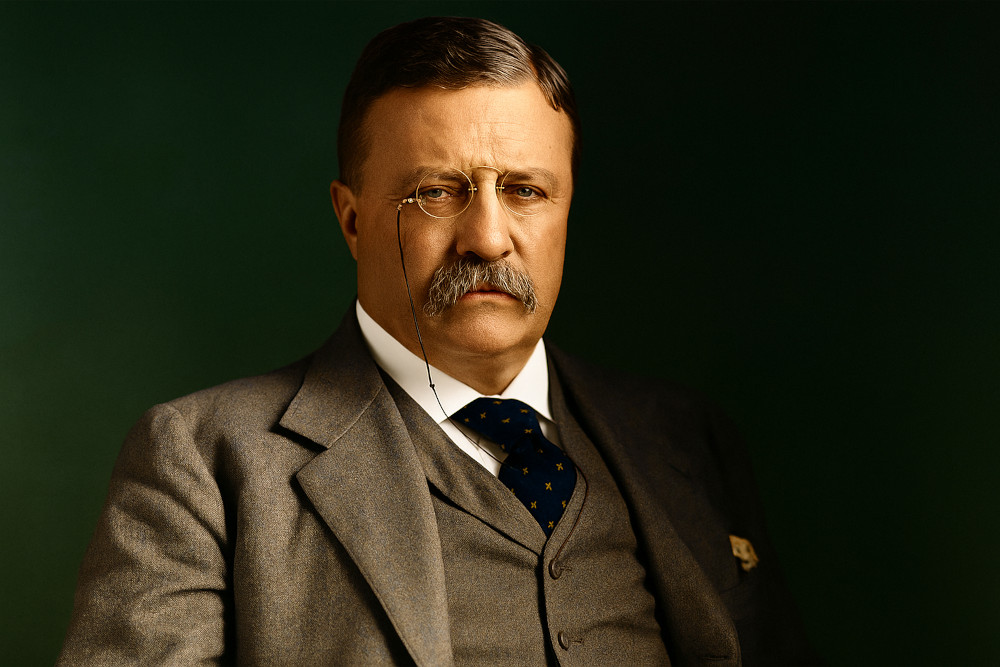
At the dawn of the 20th century, the United States witnessed the rise of a larger-than-life figure who reshaped the presidency and redefined what it meant to be a world leader. Theodore Roosevelt, affectionately known as “Teddy” or “Old Roosevelt,” wasn’t just America’s youngest president — he was also the first American president to win the Nobel Peace Prize.
This iconic leader’s life story is one of grit, transformation, and unshakable conviction — a story that continues to inspire generations long after his time in office.
The early years: Turning weakness into strength
Born in 1858 into a wealthy New York family, young Theodore Roosevelt was far from the image of a robust statesman. He suffered from severe asthma and a frail constitution, spending much of his childhood confined indoors. But rather than accept physical limitations, he took his doctor’s advice to heart and embraced rigorous physical activity as a way to reclaim his health.
What began as a necessity soon became a passion. Theodore Roosevelt developed an unbreakable will and a reputation for tenacity. That same iron resolve was on full display years later when, during a presidential campaign, he was shot in the chest by an assassin. With the bullet still lodged in his body, Roosevelt refused medical attention and went ahead with his scheduled speech.
“It takes more than one bullet to stop a Roosevelt,” he declared. “I don’t give a damn about being shot!”
Rising through the ranks to the presidency
Theodore Roosevelt’s journey into politics was driven not by entitlement but by a deep commitment to public service. He began his career as the New York City Police Commissioner, then served as Assistant Secretary of the Navy, where he advocated for naval expansion and prepared the country for conflict with Spain. His leadership during the Spanish-American War with the Rough Riders cemented his status as a national hero.
In 1900, he was elected Vice President under William McKinley. But just six months into the term, tragedy struck — McKinley was assassinated, and at just 42 years old, Theodore Roosevelt became the youngest president in U.S. history.
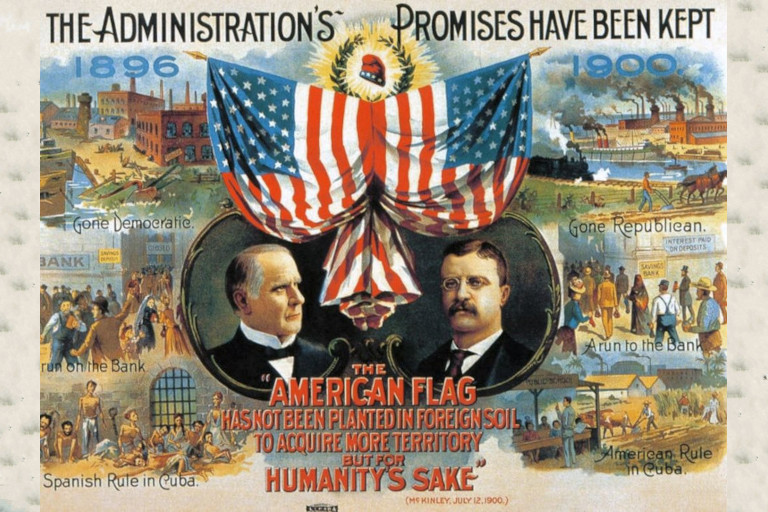
During his presidency, Roosevelt earned a reputation as a reformer and a trustbuster. He championed the working class, broke up monopolies, regulated the railroads, improved food safety, and fought government corruption. He also preserved vast tracts of American wilderness, laying the foundation for the modern environmental movement.
In a time of rapid industrialization, Theodore Roosevelt was a steady hand and a bold voice — a force of reform in a country being transformed by progress.
Making peace, not just policy
While Roosevelt was known for his “big stick” diplomacy and belief in American strength, he also understood the power of negotiation. In 1905, amid a brutal and bloody war between Russia and Japan, he offered to mediate peace talks.
His efforts were not merely symbolic. He successfully brought both nations to the table, ultimately helping to end the Russo-Japanese War. The resulting Treaty of Portsmouth preserved a delicate balance of power in East Asia and earned Theodore Roosevelt the 1906 Nobel Peace Prize — making him the first American president, and the first American citizen, to receive the honor.
At a time when American foreign policy was evolving from isolationism to international involvement, Roosevelt’s peace diplomacy marked a turning point. He proved that the U.S. could be both powerful and principled on the world stage.
How Theodore Roosevelt became a lasting national icon
Even after leaving office, Roosevelt remained a commanding figure in American politics and public life. He continued to campaign for progressive reforms and even ran again for president in 1912 as a third-party candidate under the Bull Moose Party.
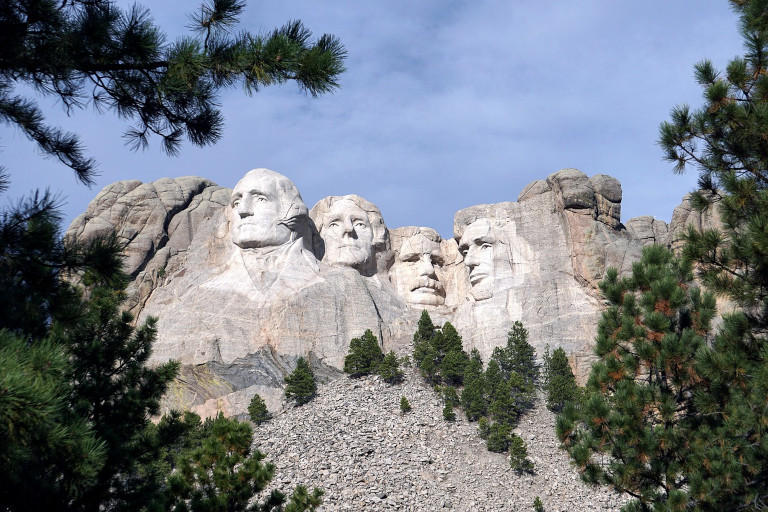
His legacy remains firmly etched in American history. Two U.S. Navy ships have been named after him, including the aircraft carrier USS Theodore Roosevelt, still in active service today. His image is carved into Mount Rushmore alongside George Washington, Thomas Jefferson, and Abraham Lincoln — an honor reserved for the most revered American presidents.
In 2006, Roosevelt appeared on the cover of Time magazine and was ranked 15th on a list of the 100 most influential Americans of all time.
A legacy of strength, courage, and conviction
Theodore Roosevelt wasn’t just a politician — he was a symbol of transformation, resilience, and purpose. From overcoming childhood illness to shaping global diplomacy, from trust-busting reforms to environmental conservation, he showed that leadership could be grounded in both strength and moral conviction.
Theodore Roosevelt’s message to America still echoes today: that courage, character, and a fierce commitment to justice can change the course of a nation.
Translated article
Follow us on X, Facebook, or Pinterest
