

As we all know, salt is an essential seasoning on everyone’s table. The salty taste of salt is one of the fundamental human flavors, and it also serves as a preservative and flavor enhancer. Did you know that salt also has some practical little benefits that can solve everyday problems?
12 Simple things a pinch of salt can solve
1. Thawing meat
Adding salt to frozen meat lowers the melting point of ice, so sprinkling salt on ice can shorten the thawing time.
2. Cleaning a pan
Sprinkle a layer of salt in a pan, then add a little water and shake it. The salt water will slowly remove grease and clumps of grease. Wait for 10 seconds, then gently wipe with a sponge, and the dirt will be gone.
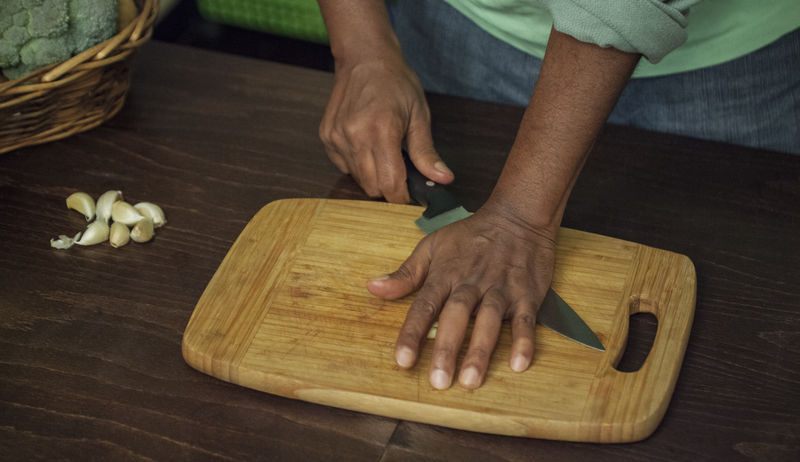
3. Cleaning a cutting board
Sprinkle a thin layer of salt on a cutting board, let it sit for 30 minutes, then rinse with water. This will kill most bacteria and keep the cutting board clean.
4. Removing peach hair
Peach hair is challenging to clean and can easily cause itching on the skin. While washing peaches, add a moderate amount of salt and soak them in water for a short while. A gentle rub will easily remove the hair.
5. Degreasing dishcloths
Add some salt to the clean water and stir until it dissolves.
Soak the dishcloth in salt water for a few minutes. Wring it out and it’ll be as good as new. This method can be used to sterilize and decontaminate dishcloths and tablecloths.
6. Preventing fruit oxidation
Freshly cut apples oxidize over time, which affects not only their appearance but also their taste. Add an appropriate amount of salt to clean water, stir well, and then soak the cut apple in salt water to prevent oxidation.
7. Making noodles more chewy
Adding a little salt when cooking noodles can change the physical properties of gluten, increase its ability to absorb water, and regulate and stabilize gluten. Salt strengthens the gluten, enhances the gloss and hardness of noodles, and makes them chewy and delicious.
8. Cleaning red wine stains
Sprinkle salt on the area where the red wine was recently splashed, wait five minutes, then rinse with cold water and wipe until the stain disappears.
9. Remove the astringency of bitter melon
Based on the principle of osmotic pressure, the water in the bitter melon will flow into the salt water, dissolving the bitter melon saponins, thus reducing the bitterness.
10. Prevent tofu from crumbing
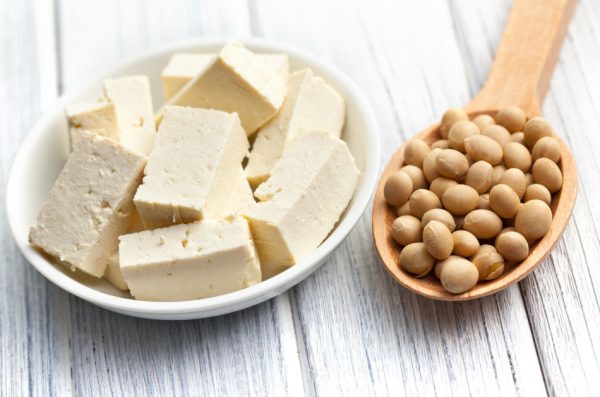
High temperatures and salt accelerate the coagulation of proteins on the tofu’s surface, making it less fragile and preserving its beauty. Therefore, before cooking tofu, it is better to blanch it in boiling water with salt.
11. Slowing down nutrient loss during blanching
When blanching vegetables, adding a moderate amount of salt will speed up the softening process and reduce the loss of water-soluble nutrients. However, after blanching, remember to use less salt when serving cold dishes or stir-fries!
12. Gargling with light salt water to relieve a sore throat
If you have a sore throat due to a cold, try gargling with a light saltwater solution first. If salt water doesn’t provide relief, throat lozenges can also alleviate the symptoms.
Three myths about salt
1. Should you rinse with salt water immediately after a burn?
No. The correct approach is to rinse with cold water for half an hour. After rinsing, if the burning sensation is severe, soak in cold water for an additional half hour.
2. Can saltwater cleanse the mouth and strengthen or whiten teeth?
It can, but the effect is the same as plain water. The key is rinsing the mouth, not the salt. As for strengthening or whitening teeth, salt water is useless.
3. Does rinsing with saltwater kill bacteria?
No. When you have a painful mouth ulcer, rinsing with salt water isn’t very effective, aside from being unbearable. What helps is the act of rinsing, which reduces the amount of time food particles remain in the mouth, thus reducing bacterial growth.
Translated by Patty Zhang and edited by Amanda
Follow us on X, Facebook, or Pinterest
